
Instead of treating windows as just functional elements, modern homes are using them to shape light, space, and the overall living experience. In 2026, window design is moving toward larger glass surfaces, cleaner frames, and better energy performance.
From material choices to window styles, the right decision depends less on trends and more on your daily needs.
Here are the key points for you:
This guide to modern window design for homes covers window types, frame materials, glass options, and cost considerations, with a focus on making practical choices for your space.
Understanding Window Design in Modern Homes
Today, window design goes far beyond the shape or size of a window. It’s a coordination of many elements, along with each window’s impact on light, airflow, and the overall layout of a home.
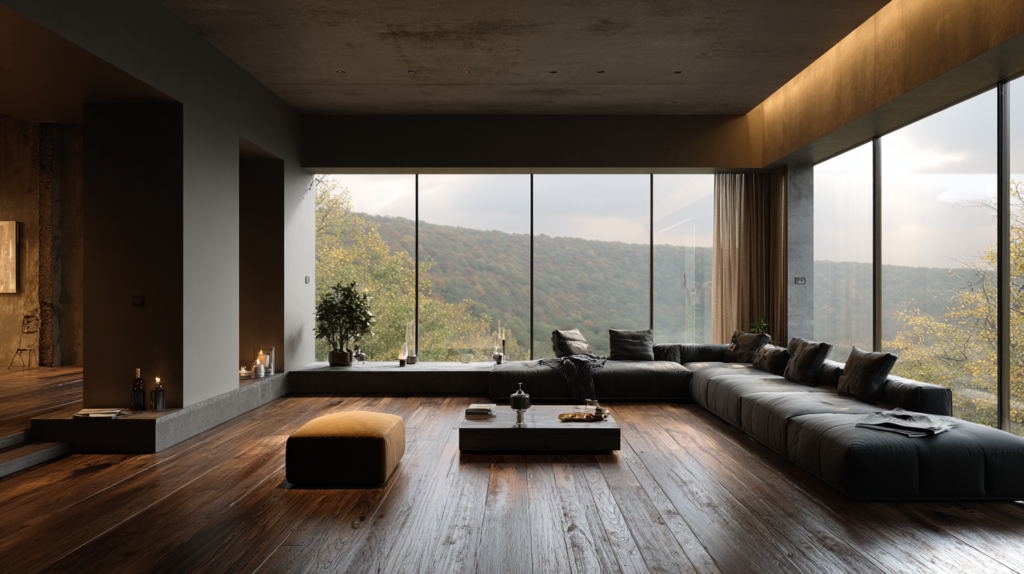
Windows are often designed as part of the architecture itself rather than added later. That’s why choices like frame material, opening style, and glass type shape both appearance and performance, including energy efficiency, comfort, and long-term results.
Understanding these elements makes it easier to choose windows that truly fit your space, which is exactly what the next sections will help you explore.
Types of Modern Windows
The windows you choose shape ventilation, natural light, and the day-to-day experience of the space. Some window types are better for airflow, while others are designed to frame views or maximize brightness.
Here are some of the most common modern window types:
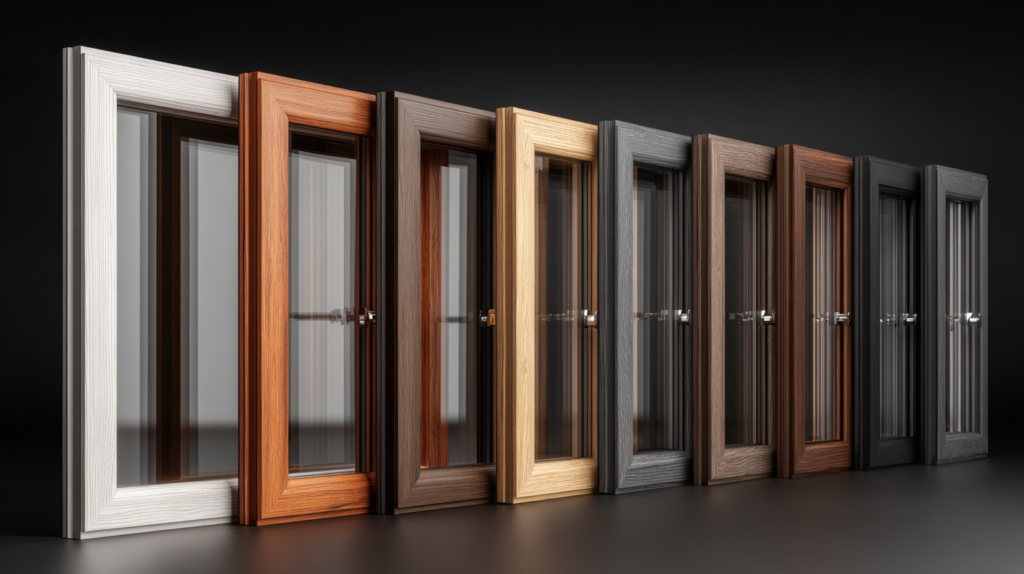
Casement Windows
Casement windows are hinged on one side and open outward, usually with a crank handle. They’re one of the most practical options if ventilation is a priority.
In terms of materials, vinyl casement windows are a practical choice for homeowners who want excellent insulation with minimal maintenance. And understanding casement window parts, such as hinges, locks, and crank mechanisms, helps ensure smooth operation over time.
Adding casement window screens allows airflow while keeping insects out, which is especially useful in warmer climates. If you are working on an upgrade, replacing casement window units is usually straightforward if the existing frame is still in good condition.
For design, modern casement window treatments tend to stay simple, with light curtains or shades that don’t block natural light. And we will elaborate further regarding design later on.
Sliding Windows
Sliding windows open horizontally along a track, making them ideal for spaces where you don’t want a window swinging outward. While most sliding windows move horizontally, vertical sliding window designs are also used in some homes, especially in more traditional layouts.
Awning Windows
These are hinged at the top and open outward from the bottom. They’re often used in combination with larger fixed windows.
Awning windows allow ventilation even during light rain, which makes them a practical choice for bathrooms, basements, and kitchens.
Picture Windows
Picture windows, also known as fixed windows, don’t open. They are designed to frame outdoor views and bring in natural light.
Besides, they are often paired with operable windows to improve airflow without affecting the overall view.
Floor-to-Ceiling Windows
A defining feature in many modern homes, these windows create a strong connection between indoor and outdoor spaces. They bring in a large amount of natural light and can make a room feel more open and expansive.
Panoramic Windows
Panoramic windows are designed to maximize views by using large, uninterrupted glass panels—often spanning an entire wall. Unlike standard window setups, they focus on creating a wide, open visual connection between indoor and outdoor spaces.
Bay Windows
There are various types of bay windows. They are often used to create a small seating or display area. Adding bay window cushions and pillows for bay windows can turn the space into a comfortable reading corner.
When it comes to privacy and light control, options like blinds for bay windows, bay window shades, or bay window shutters are commonly used. The choice usually depends on how much light you want and the overall interior style.
For window treatments, curtain styles for bay windows often require more planning than standard windows. You need to be very careful when taking measurements for bay windows, especially the shutters for bay windows. Many homeowners use a curtain pole in bay window setups or consider how to hang curtains in a bay window to achieve a clean and balanced look.
✔ Quick Tip
Based on our experience at Parlun, instead of choosing just one type, most modern homes combine several window styles. For example, a large picture window for views paired with casement windows for ventilation often creates a more balanced and functional design.
Window Frame Materials Explained
Window frame materials are often underestimated, yet they have a direct impact on both performance and long-term durability. The material of a window frame plays a bigger role than you expect. It affects not only the appearance of your windows but also durability, insulation, maintenance, and long-term cost.
The choice usually comes down to a balance between aesthetics, performance, and budget rather than just picking the most traditional option. And this concept aligns with what we discussed earlier regarding the combination of various window types and materials.
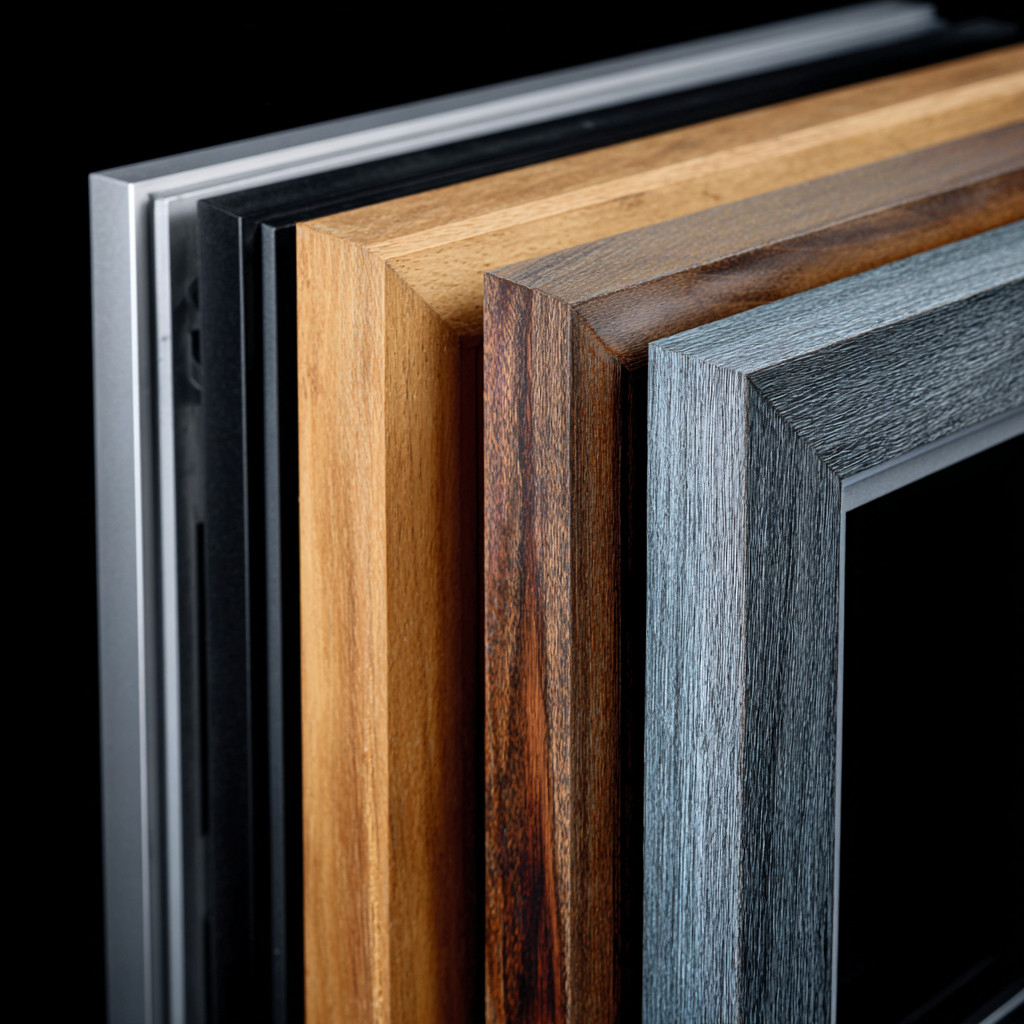
Aluminum Frames
Aluminum remains a popular option in modern homes, especially in the form of modern aluminum windows with slim frames and larger glass areas. This makes it easier to achieve a clean, minimal look that fits contemporary spaces.
From a design perspective, aluminum window design often focuses on thin profiles and darker finishes, which help highlight architectural lines without adding visual weight.
In terms of function, additions like an aluminum window screen can improve everyday usability by allowing ventilation while keeping insects out. In some climates, aluminum storm windows are also used as an extra layer to improve weather resistance and insulation.
uPVC (Vinyl) Frames
uPVC windows and frames are widely used for their affordability and energy efficiency. They are known for low maintenance and consistent performance. Vinyl frames resist moisture, don’t require repainting, and work well in spaces like kitchens, bathrooms, and humid climates. They also offer reliable insulation and help keep indoor temperatures stable.
Wood Frames
Wood offers a warm, natural look that’s difficult to replicate with other materials. In many homes, modern wooden window design for homes focuses on clean lines and subtle finishes that keep the look simple while preserving the material’s character.
They also work well with details such as exterior wood window shutters or wooden window boxes, which add depth and a more layered appearance to the façade.
Wood-Clad Frames
If you like creative window designs, you can consider wood-clad frames. These combine a wood interior with an exterior layer of aluminum or vinyl. And outdoor window molding designs can help create a more seamless transition between the window and the surrounding façade.
Fiberglass Frames
This material is a newer option known for strength and stability. Fiberglass is often used in modern window frame designs because it offers strong performance with minimal maintenance.
Quick Comparison
| Material | Cost Level | Durability | Insulation | Maintenance | Best For |
| Aluminum | Medium | High | Medium | Low | Modern aesthetics |
| uPVC | Low | Medium | High | Very Low | Budget-friendly homes |
| Wood | High | Medium | High | High | Classic/premium interiors |
| Wood-Clad | High | High | High | Medium | Balanced performance |
| Fiberglass | High | Very High | High | Low | Long-term durability |
✔ How to Choose the Right Material
Instead of asking “which material is best,” it’s more useful to think about your priorities:
For many modern homes, especially in large-scale or custom projects, manufacturers now offer fully customizable window systems that combine different materials and finishes. This makes it easier to match both design and performance needs without compromising on either.
Window Glass Options Explained
While frame materials define the structure of a window, the glass itself has an even bigger impact on comfort, energy efficiency, and how your home interacts with light.
In modern window design, glass is no longer just transparent—it’s engineered to control heat, reduce glare, improve insulation, and even enhance privacy.
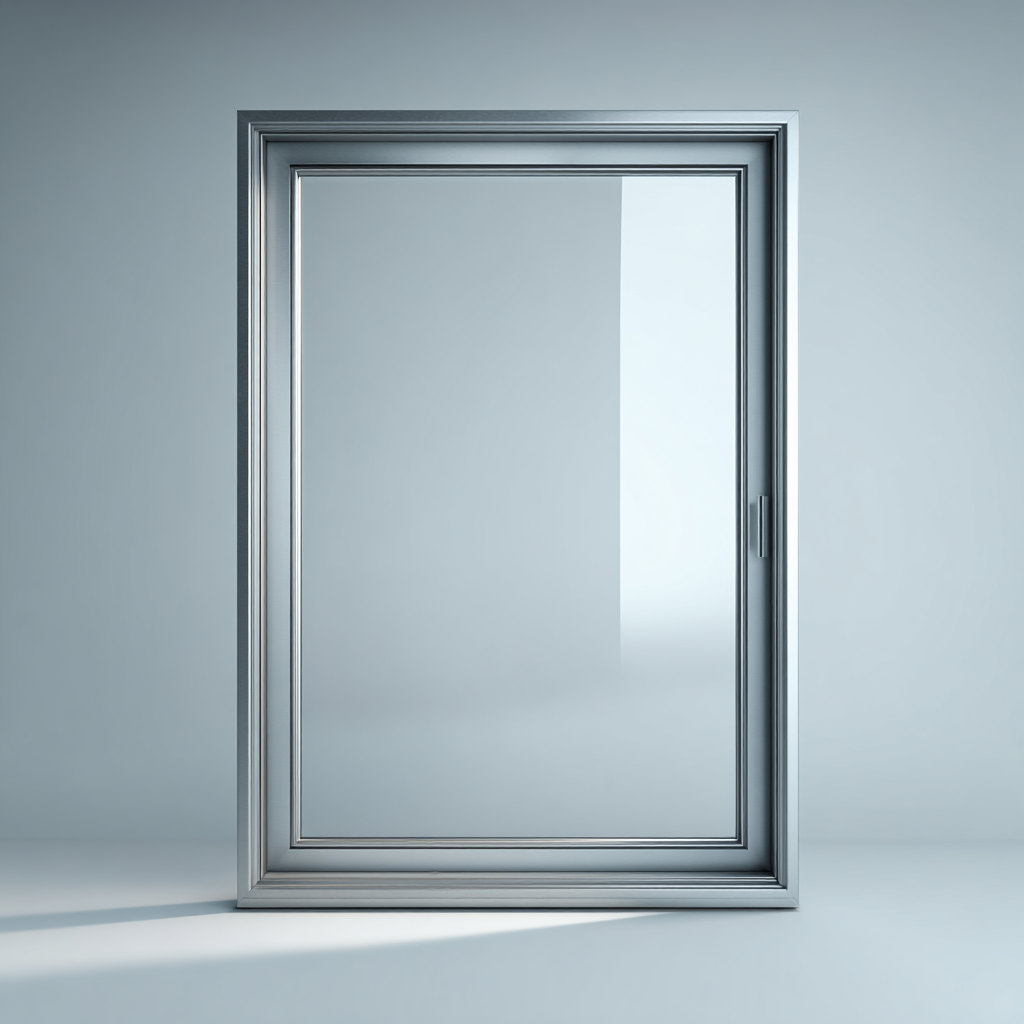
Double Glazing
Double glazing uses two layers of glass with a sealed air- or gas-filled space in between.
Triple Glazing
Triple glazing adds a third layer of glass for even better insulation.
Low-E Glass (Low Emissivity)
Low-E glass has a special coating that manages how sunlight and heat enter the space.
Tinted Glass
Tinted glass reduces glare and limits the amount of sunlight entering a space.
Frosted/Obscure Glass
This type of glass allows light in while maintaining privacy.
Smart Glass (Electrochromic Glass)
Smart glass can change its transparency with a switch or automatically based on light conditions.
✔ How to Choose the Right Glass
Instead of choosing based on price alone, think about how each room is used:
Window Sizes and Standards
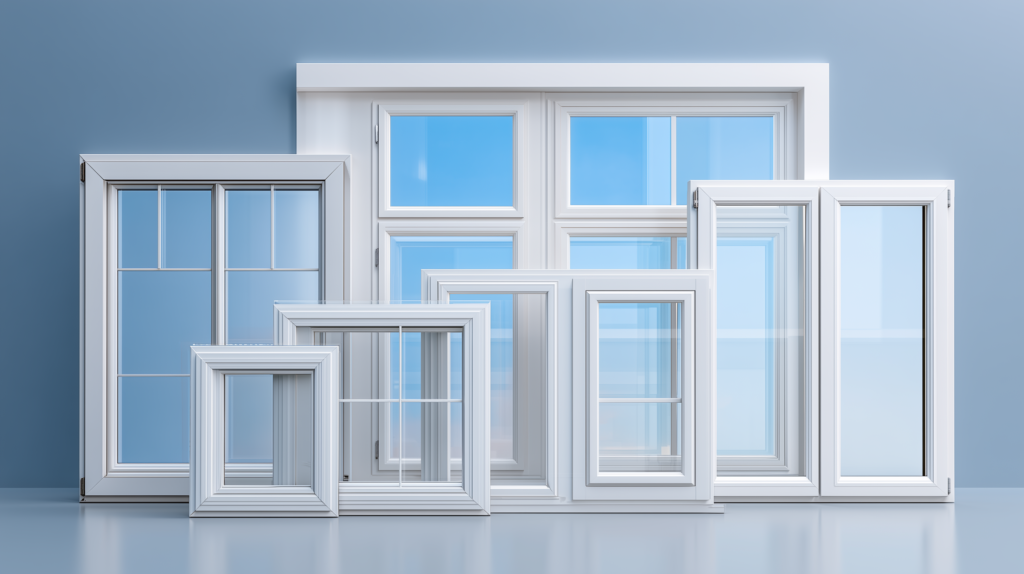
Window sizes may seem like a technical detail, but they matter a lot in the design and functionality of a home. The size of a window affects the natural light that enters a space, how a room feels, and even the energy efficiency of a home.
Standard sizes are still widely used, but custom dimensions are becoming more common, especially when you prioritize larger openings and seamless indoor-outdoor connections.
Standard Window Sizes
Most manufacturers follow a range of standard window sizes to simplify production and installation. Choosing standard sizes is usually more cost-effective and faster to deliver.
Typical examples include:
These sizes can vary depending on window type (casement, sliding, etc.), but they provide a general reference point.
Standard Dimensions by Window Type
Different window styles often follow slightly different size ranges:
Casement windows
Sliding windows
Picture (fixed) windows
Floor-to-ceiling windows
Standard vs Custom Windows
Choosing between standard and custom sizes depends on your design goals and budget. For example, what kitchen window design ideas do you like?
Standard windows
Custom windows
When you shop window design online, you’ll find that in many projects, especially those with panoramic or floor-to-ceiling designs, what shows window design perfectly is customization.
✔ How Size Affects Performance
Like, glass window design is not merely as simple as selecting the glass. Window size isn’t just about aesthetics—it directly impacts the feel in your home. Is this design for the front window appropriate? Will it affect the overall aesthetic? These are what we need to pay close attention to.
✔ Practical Tips
Before deciding on window sizes, consider:
In fact, a well-planned window layout usually mixes standard and custom sizes to achieve both visual balance and practical performance.
Window Energy Efficiency
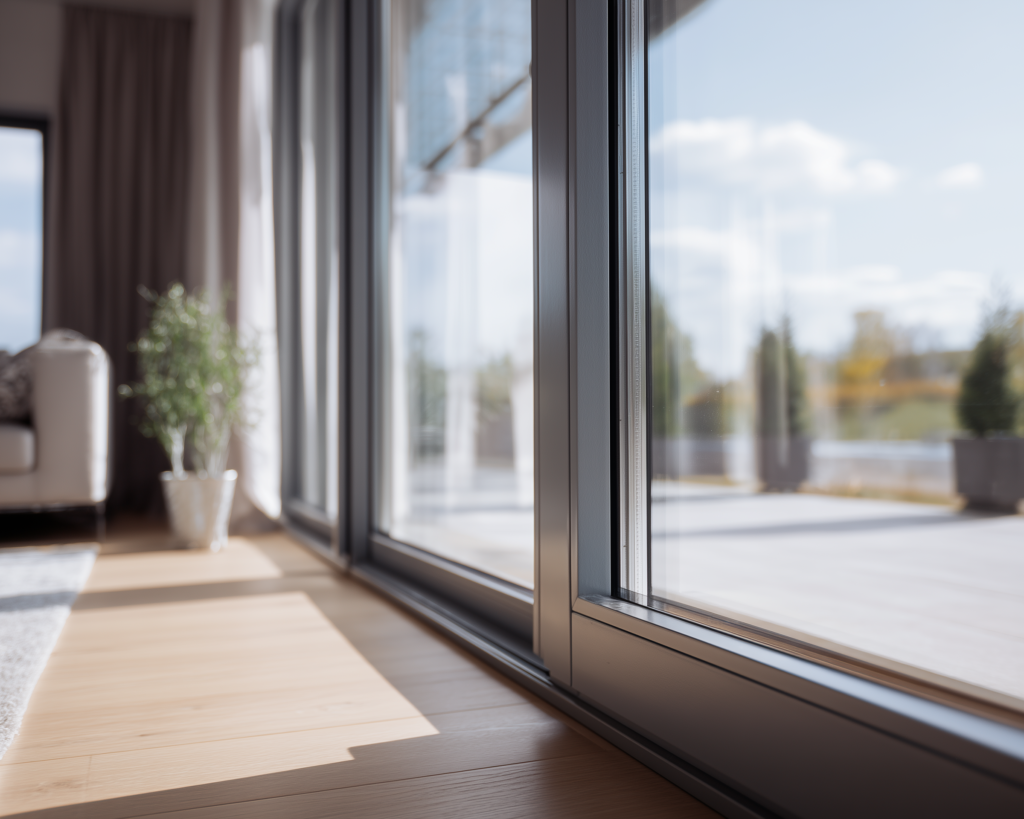
Beyond appearance, today’s windows are expected to reduce energy loss, maintain indoor comfort, and help lower heating and cooling costs.
Well-designed windows can significantly improve a home’s overall performance, especially in climates with large temperature differences throughout the year.
Why Energy-Efficient Windows Matter
Windows are one of the main sources of heat loss and heat gain in a home. Poorly designed or outdated windows can lead to:
According to the U.S. Department of Energy, energy-efficient windows can reduce heat loss by up to 25%–30%, depending on the home and climate.
This makes window design not just a visual decision but a long-term investment.
Key Factors That Affect Window Performance
Energy efficiency isn’t determined by a single feature—it’s the result of multiple components working together.
Glass Type
Frame Material
Sealing and Installation
Window Size and Placement
Common Energy Ratings to Know
If you want to compare windows more accurately, these performance indicators are often used:
You don’t need to memorize these, but understanding them helps when comparing options. And the goal isn’t to choose the “most advanced” option, but the one that fits your home best.
Window Design Trends in 2026
What are the best windows for sleek modern designs? Window design in 2026 is less about decoration and more about how a home connects with light, space, and its surroundings. Instead of treating windows as separate elements, modern homes are using them as part of the overall architectural experience.
Here are some of the key trends shaping modern window design—and why they matter.
Larger Windows, Fewer Frames
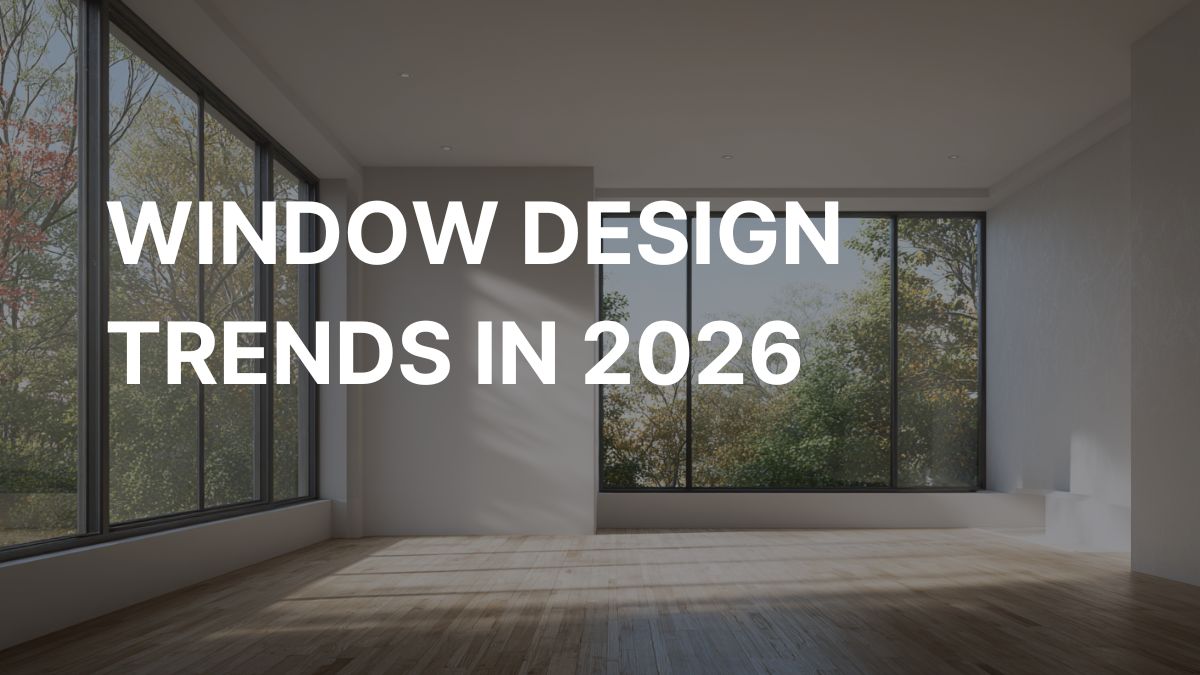
Modern homes are moving toward larger glass surfaces with slimmer frames. The goal is simple: bring in more natural light and create a stronger visual connection to the outdoors.
This is why materials like aluminum are becoming more popular; they allow for larger glass panels without bulky frames.
Floor-to-Ceiling and Panoramic Designs
Windows are no longer just openings—they’re becoming entire walls.
This trend reflects a shift toward lifestyle design—people want their homes to feel brighter, more open, and closer to nature.
Black Frames and Minimalist Aesthetics
Clean lines and darker frames continue to define modern window design.
Instead of blending in, windows are now often used as a visual feature.
Energy Efficiency as a Standard, Not an Upgrade
Energy-efficient windows are no longer optional—they’re expected.
This shift is driven not just by cost savings but also by building regulations and environmental awareness.
Smart Windows and Adaptive Glass
Technology is increasingly shaping window design.
While still a niche option, smart glass reflects the broader move toward smart homes.
Mixed Window Systems
Instead of using one type of window throughout a home, designers are combining multiple styles.
Modern window design is less about uniformity and more about purpose-driven choices.
✔ What These Trends Really Mean
Across all these trends, one idea stands out:
Modern window design is becoming more functional, more integrated, and more tailored to how people actually live.
It’s no longer about choosing a “nice-looking window,” but about creating the right balance between light, comfort, performance, and design, which is what we always said here.
How to Choose the Right Windows for Your Home
Choosing the right windows isn’t just about picking a style you like. In fact, we touched upon this earlier when introducing the other parts. The right choice comes down to your space, your surroundings, and your day-to-day needs.
Instead of focusing on a single factor, it’s more useful to think in terms of priorities.

Start with the Room Function
Different spaces need different types of windows.
A one-size-fits-all approach rarely works in modern homes.
Consider Your Climate
Your local climate should influence both glass and frame choices.
The goal is comfort year-round, not just aesthetics.
Balance Style and Performance
Modern window design often looks minimal, but performance still matters.
Good design is always a balance between appearance and function.
Think About Maintenance
Some materials and window types require more upkeep than others.
Choose based on how much maintenance you’re willing to handle over time.
Set a Realistic Budget
Window costs can vary widely depending on size, material, and customization.
It’s often worth investing more in key areas like living spaces, while keeping other areas more practical.
✔ A Practical Way to Decide
If you’re unsure where to start, this simple approach usually works:
This can help you avoid choosing windows based on appearance alone.
Window Installation Basics
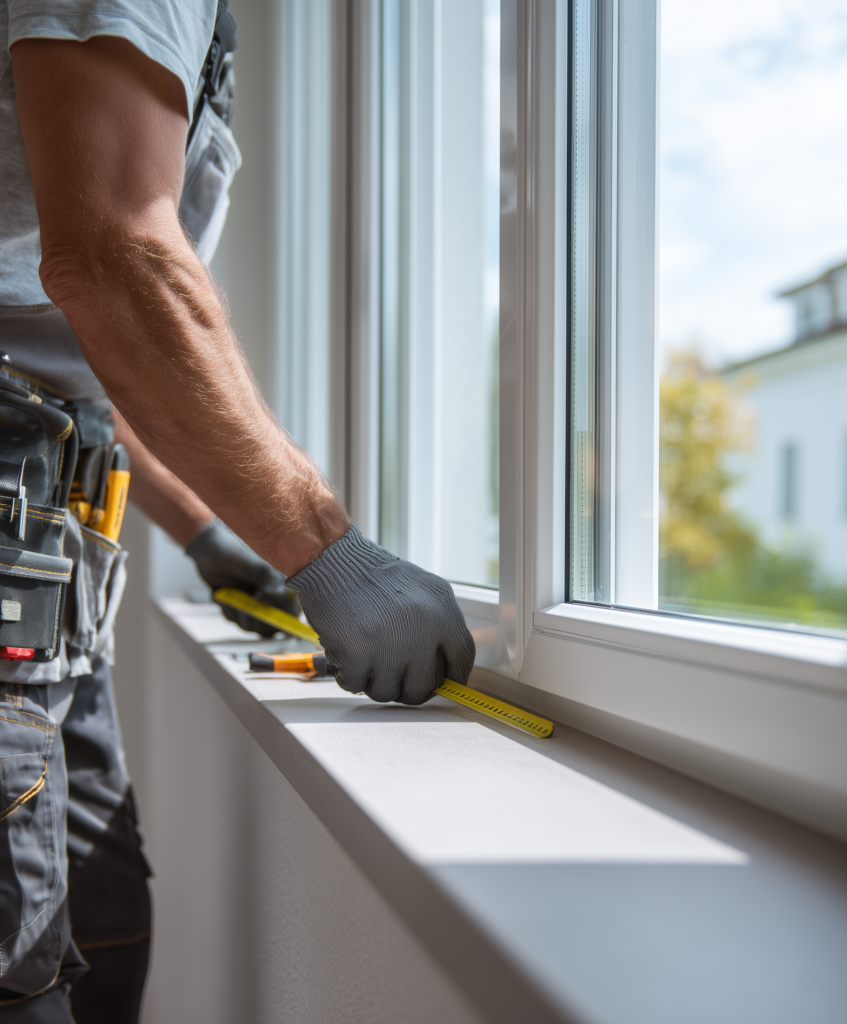
Window installation matters more than most homeowners expect. Even well-designed windows can lose performance if they are not properly installed, especially when it comes to sealing and alignment.
What Matters Most
Instead of focusing on every technical step, these are the key factors:
Proper sealing—prevents air leaks and water infiltration
Accurate alignment—ensures the window opens, closes, and insulates correctly
Quality installation work—directly impacts long-term durability
Replacement vs New Installation
Replacement installation is faster and more cost-effective, using existing frames, while new installation allows full customization and is often needed for larger or modern window designs.
If you’re upgrading to bigger or panoramic windows, new installation is usually required.
Window Maintenance Tips
Keeping your windows in good condition doesn’t require much effort, but regular care can significantly improve their performance and lifespan.
✔ Quick Maintenance Guide
|
Maintenance Area |
What to Do |
Why It Matters |
|
Frames & Tracks |
Clean regularly to remove dust and debris |
Ensures smooth operation and prevents buildup |
|
Seals & Gaskets |
Check for cracks or gaps; replace if needed |
Maintains insulation and prevents air or water leaks |
|
Hardware |
Tighten and lubricate hinges, handles, and locks |
Keeps windows functioning properly over time |
|
Glass |
Clean with appropriate solutions |
Improves visibility and maintains appearance |
|
Material Care |
Follow material-specific care (e.g. repaint wood) |
Extends lifespan and preserves performance |
Different materials require different levels of maintenance; while aluminum and uPVC need minimal upkeep, wood frames typically require more regular care to maintain their appearance and durability.
The Cost of Window for Home (2026)
Window costs can vary widely depending on size, materials, glass options, and installation method. Instead of looking for a single “average price,” it’s more useful to understand what actually drives the cost and where it’s worth investing.

Average Window Cost Overview
These ranges can vary based on location, customization, and installation complexity.
|
Window Type/Level |
Estimated Cost (Per Window) |
Typical Use |
|
Basic |
$300–$700 |
Standard sizes, simple designs |
|
Mid-range |
$700–$1,200 |
Better materials and glass options |
|
High-end/Custom |
$1,200–$2,500+ |
Large, custom, or premium designs |
What Affects Window Costs
Several key factors determine how much you’ll actually spend:
1. Window Size
2. Frame Material
3. Glass Type
4. Customization
5. Installation
Cost vs Value
The cheapest option is not always the most cost-effective.
Often, spending slightly more upfront leads to better long-term value.
Where to Spend vs Where to Save
If you have a limited budget, a practical approach is to allocate your budget strategically:
Spend more on
Save on
Final Thought
A well-designed window system comes from a series of deliberate choices, not isolated decisions. From materials to installation, all of them contribute to long-term comfort and performance. Getting these details right early on often leads to better comfort, lower long-term costs, and a home that works the way you expect it to.
