Energy Efficient Windows From China for Residential and Commercial Projects
Energy efficient windows can help a building control heat transfer, improve indoor comfort, and reduce energy needed for heating or cooling. The best energy saving windows are not defined by one feature alone. Good performance comes from the complete system: frame, Low E glass, double or triple glazing, spacers, seals, and installation. Buyers should also understand U value and solar heat gain before choosing a product. Parlunbuilding supplies custom energy efficient windows from China for homes, apartments, hotels, offices, and commercial projects.
Table of Contents
Energy Efficient Windows Buying Guide
This guide explains what makes a window energy efficient, how U value and SHGC ratings work, double versus triple glazing, how Low E coatings and gas filled glass improve performance, and how PVC, aluminum, casement, sliding, and tilt and turn windows compare. You will also learn how to choose windows for hot or cold climates, what commercial buyers should prepare, and how to order custom windows from China.
Find the Right Energy Efficient Windows for Your Project
Not sure which frame, glazing, or U value your building needs? Send your window sizes or drawings, and we will help you compare PVC, aluminum, Low E glass, and glazing options based on your climate and performance requirements.
Get Energy Efficient Window Quote
What Makes Windows Energy Efficient
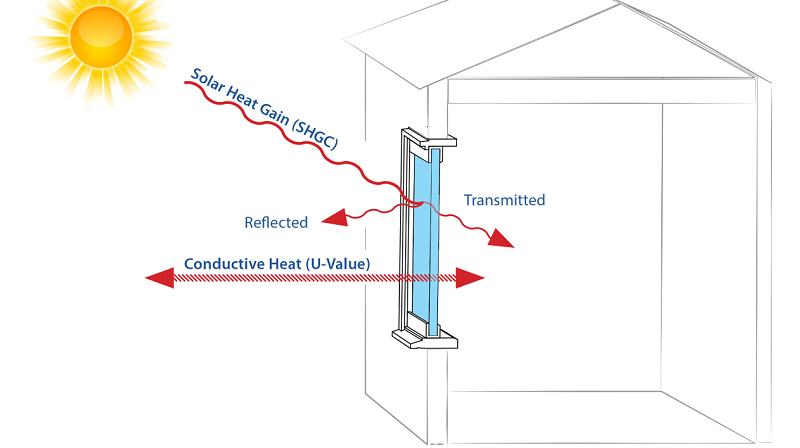
A window is part of the building envelope, affecting both comfort and energy use. A good energy efficient window controls heat moving through glass and frame, solar heat entering through the glass, and air leaking around the sash.
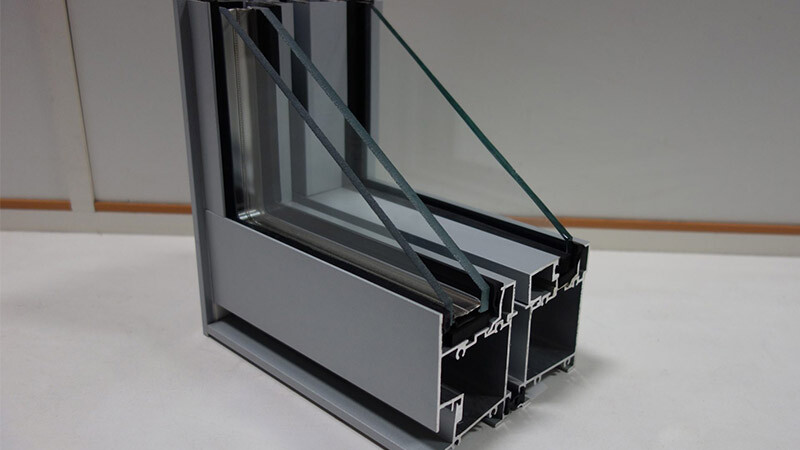
Important parts include insulated glazing, Low E coating, gas fill, warm edge spacers, thermal break technology, multi chamber PVC profiles, weather seals, and correct installation. A well specified window keeps heat outside in a hot climate while reducing heat loss in a cold one. Explore custom windows from China available from Parlunbuilding.
Understanding Window U Value
U value, also called U factor, measures how easily heat moves through a window. A lower U value generally means better insulation.
| Rating | What It Measures | Why It Matters |
|---|---|---|
| Uw | Whole window (frame and glazing) | Usually more useful than glass alone |
| Ug | Glazing only | A very low Ug does not guarantee the same for the complete window |
| Uf | Frame only | Different PVC and aluminum systems perform very differently |
When requesting quotations, ask whether the number refers to the glass or the complete window.
Understanding SHGC for Windows
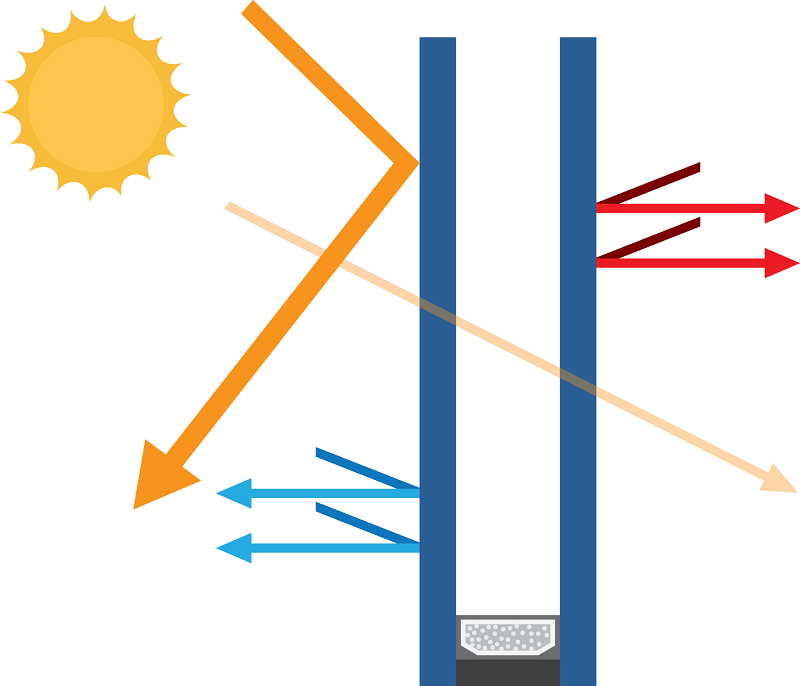
U value tells you about heat transfer, but not the whole story. Solar heat gain coefficient, or SHGC, shows how much solar heat passes through the window. A lower SHGC means less solar heat enters, a higher value allows more through.
This matters most for energy efficient windows for hot climates, where solar heat can be a bigger concern than insulation alone. In colder climates, some solar heat may be useful depending on orientation and season. There is no single perfect SHGC number, since location, direction, shading, and glass area all matter.
Low E Glass for Energy Efficient Windows
Low E glass windows use a microscopically thin coating designed to control heat movement. Low E means low emissivity. The coating reflects certain types of heat while letting visible light through, useful in both warm and cold climates, though different coating types suit different conditions.
Not every Low E coating is the same. A hot sunny climate may prioritize solar heat control, while a colder climate may prioritize reducing heat loss. Match the glass specification to the actual building rather than simply asking for any Low E glass.
Double Glazing vs Triple Glazing
A double glazed window has two panes separated by a sealed space. A triple glazed window uses three panes and two sealed spaces. Triple glazing gives stronger insulation but is heavier and costs more.
| Feature | Double Glazing | Triple Glazing |
|---|---|---|
| Glass panes | Two | Three |
| Thermal insulation | Good | Potentially higher |
| Weight | Lighter | Heavier |
| Frame requirements | Standard compatible | Requires a stronger system |
| Cost | Usually lower | Usually higher |
| Climate suitability | Many climates | Demanding cold climates |
| Sound control | Good with correct glass | Can improve depending on specification |
Triple glazing is not automatically smarter just because it has another pane. A good double glazed system with Low E glass and a solid frame may suit many buildings better. The complete specification matters more than pane count.
Not Sure Which Glazing or Frame You Need
The most expensive option is not always the right one. Tell us your project location, required U value, and window sizes, and we will help you compare Low E glazing, PVC, and thermally broken aluminum options.
Argon Gas and Krypton Gas Windows
The space between panes in an insulated glass unit, or IGU, can contain air or an insulating gas. Argon is widely used since it reduces heat transfer compared with normal air. Krypton may be used in higher performance glazing designs.
Gas filling is one part of the system, not a standalone feature. Performance still depends on glass type, Low E coating, spacer, frame, and seals. When comparing quotations, ask for the complete build up rather than just whether the glass contains argon.
Which Window Type Is Most Energy Efficient
There is no single opening style that wins in every building, but different types have different airtightness potential.
Fixed windows do not open, so they have fewer leakage points, making them strong where light and views matter more than ventilation. Casement windows close against seals around the frame, and this compression style creates good airtightness when properly manufactured. Sliding windows move along tracks and suit spaces where an outward opening sash takes too much room, though performance depends on frame and track design. See our sliding windows range for wide openings. Tilt and turn windows offer both ventilation and strong sealing.
| Window Type | Airtightness | Ventilation | Best Suited To |
|---|---|---|---|
| Fixed | Highest | None | Light and views over ventilation |
| Casement | High | Full opening area | Compression sealing, moderate widths |
| Sliding | Moderate | Partial opening area | Wide openings, tight exterior space |
| Tilt and turn | High | Flexible | Modern residential and commercial |
The best type balances efficiency, ventilation, space, maintenance, and cost.
Casement Windows vs Sliding Windows Energy Efficiency
Casement windows often create a tighter compression seal, since the sash presses against the frame seals when closed. Sliding windows rely on a different sealing system built around the track. This gives casement windows strong airtightness potential, but that does not mean every casement window outperforms every sliding window. A high quality sliding system can perform well, while a poorly manufactured casement window can still leak air.
Compare whole window U value, air leakage, glass specification, and seal design rather than assuming one opening style always wins.
PVC vs Aluminum Windows Energy Efficiency
Frame material has a big effect on thermal performance. PVC does not conduct heat as fast as metal, and modern systems use multi chamber profiles for extra thermal barriers. See PVC windows if insulation and low maintenance matter most.
Aluminum is strong, lightweight, and suited to slim frames and large openings, but basic aluminum conducts heat fast. Modern systems use a thermal break frame, separating the profile with a lower conductivity material to cut heat transfer significantly. Compare thermally broken metal windows for large glazing areas.
The right choice depends on size, climate, required U value, sightlines, and structural need. PVC is not automatically better and aluminum is not automatically worse.
Energy Efficient Windows for Hot Climates
Choosing windows for a hot climate requires more than a low U value, since solar heat can be a bigger concern. Consider SHGC, solar control Low E coating, external shading, window direction, and airtightness together.
Reducing unwanted solar heat improves comfort and cuts cooling demand. A west facing window may need a different glass specification than a shaded window elsewhere, so share project location and drawings when requesting a quotation.
Energy Efficient Windows for Cold Climates
Cold climate projects usually focus on reducing heat loss. Important features include a low window U value, double or triple glazing, Low E coating, gas filled glazing, warm edge spacers, and airtight seals.
Triple glazing becomes more attractive where performance requirements are demanding, but the frame must suit the extra glass weight. Glass and frame need to be specified as one system.
Energy Efficient Windows for Commercial Projects
Commercial buyers usually need more than a product picture and a price. Hotels, offices, apartments, and mixed use developments often contain many window sizes and opening types, so a clear window schedule matters before requesting bulk pricing.
A useful schedule includes the window reference number, width, height, quantity, opening type, frame material, required U value and SHGC, glass specification, safety glass requirements, hardware, frame color, fly screens, project location, applicable standards, and delivery destination. Send this schedule to Parlunbuilding for bulk pricing reviewed against your actual project.
How to Buy Energy Efficient Windows From China
Buying custom windows from China is easier when technical requirements are clear from the start.
- Send your window schedule with sizes, quantities, and opening directions
- Choose the window type: fixed, casement, sliding, tilt and turn, or another configuration
- Select the frame material and confirm required Uw value or SHGC
- Select glazing (double or triple), Low E coating, and gas filling
- Confirm colors, hardware, and technical drawings before production
- Confirm certification documentation for the exact window system supplied, not just any certificate from the factory
- Confirm packaging and shipping, with clear identification for each window’s site location
This applies whether you need a small residential order or custom windows built to specific dimensions, glazing, and opening styles.
Get a Custom Energy Efficient Window Quote
Ready to compare energy efficient windows for your project? Send your drawings or window schedule, and we will help you select the right frame, glazing, U value, and hardware for a villa, apartment, hotel, or commercial development.


Frequently Asked Questions
A lower U value generally means better insulation, but the target depends on location, climate, and local building regulations. Compare the whole window Uw value, not just the glass Ug value.
Fixed windows can have strong airtightness since they do not open. Casement windows also seal well since the sash closes against the frame. Actual performance depends on the complete build.
The combined performance of its glass, frame, spacers, seals, and installation. No single feature does the job alone.
Triple glazing can provide stronger insulation but is heavier and more expensive. A high quality double glazed system may still be the better choice for many climates.
Yes. Low E coatings help control heat transfer through the glass. Different coatings suit different goals, so the option should match climate and orientation.
PVC naturally resists heat transfer, while aluminum needs a thermal break to do the same. Modern thermally broken aluminum can also perform strongly, so compare complete systems rather than material alone.
Casement windows often seal tightly since the sash closes against compression seals. Sliding windows use a different system, and performance depends on the profile, glazing, and installation.
Argon reduces heat transfer through the space between panes compared with normal air, working with the spacer, glass, and seal quality.
Consider both U value and SHGC. Solar control Low E glass, suitable frames, airtight seals, and shading all help reduce unwanted heat entering the building.
Yes. Parlunbuilding supplies custom windows based on sizes, opening types, frame materials, glazing, colors, hardware, and quantities. Send your window schedule for a project based quotation.
Contact us to get the quote and the catalog for free
Please fill in the area marked with *
Of course, if you have more detailed information and want to tell our experts, you can also fill in the form completely