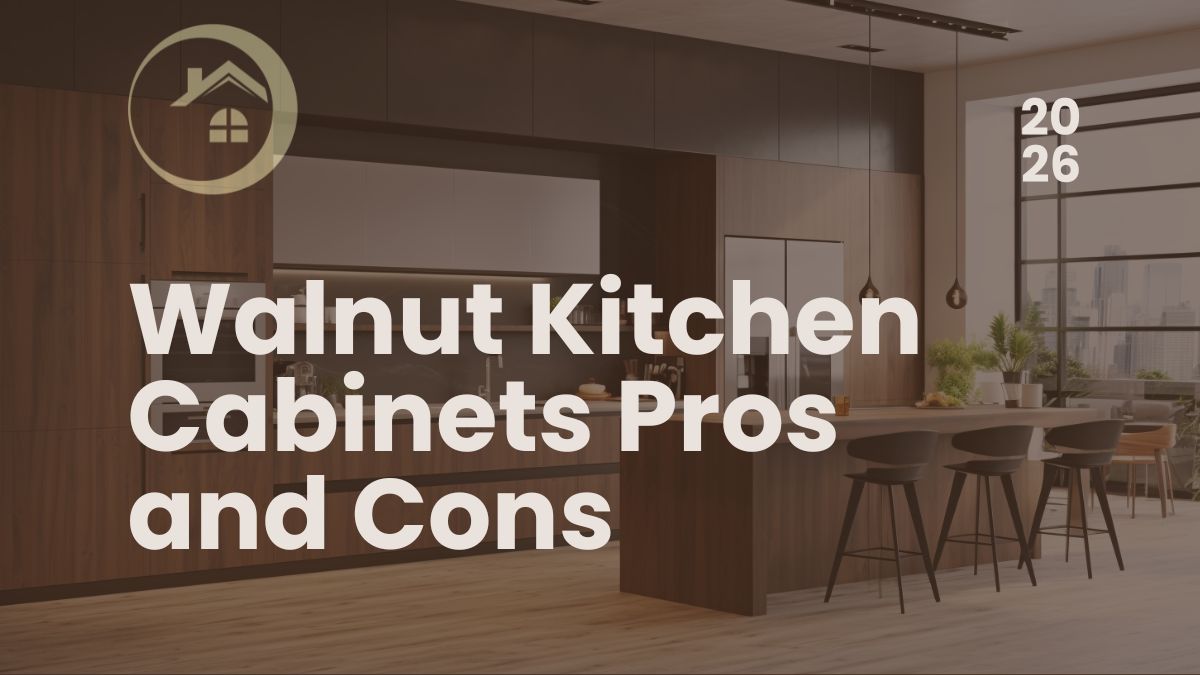
Investing in a new kitchen is one of the most significant upgrades you can make to your home. If you are aiming for a high-end, contemporary aesthetic, walnut kitchen cabinets are likely at the top of your design mood board.
Known for its striking natural grain and deep, rich tones, walnut has long been a favorite material among luxury architects and high-end cabinet makers.
However, before making a final commitment, it is essential to look past the beautiful magazine photos and understand how this premium wood performs in a real, busy kitchen environment. Below, we provide an honest breakdown of the pros, cons, costs, and care requirements of walnut cabinetry to help you decide if it is the right fit for your home.
Walnut Cabinet Pros
There is a reason walnut remains an iconic staple in premium home design. Here are the primary benefits of choosing this sought-after wood:
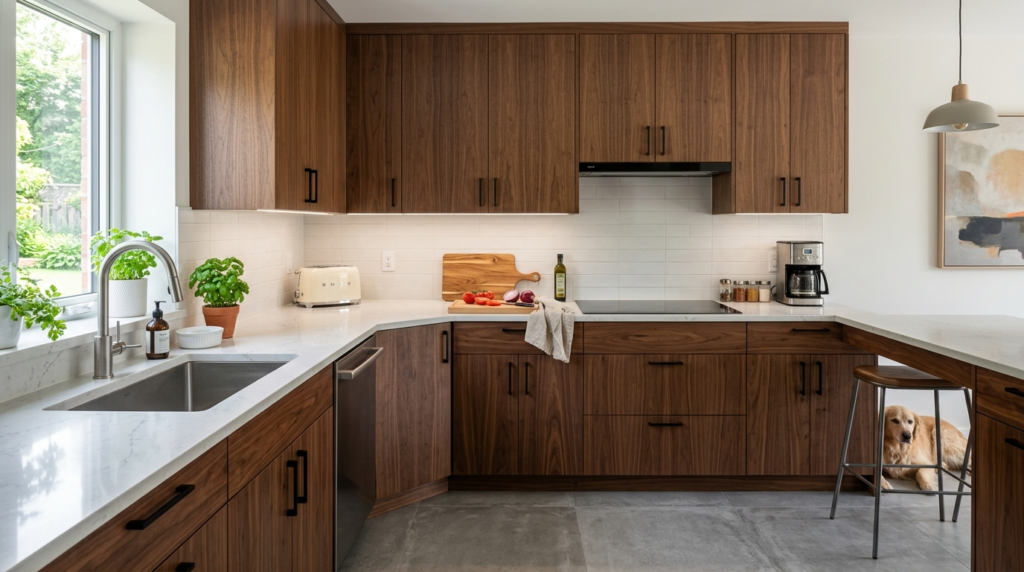
- Unmatched Natural Aesthetic: Walnut possesses a deep, swirling, and highly active grain pattern that cannot be perfectly replicated by paint or synthetic laminates. Each door slab acts as a unique piece of natural art.
- Warmth and Organic Texture: As home designs lean toward minimalist architecture, walnut introduces instant warmth, making open-concept spaces feel cozy and inviting.
- Excellent Dimensional Stability: Walnut is less prone to shrinking, swelling, or warping under shifting humidity and temperature levels compared to other hardwoods, making it an excellent core choice for kitchen construction.
- High Resale and Appraisal Value: Installing custom wood cabinetry increases a home’s long-term equity. Discerning homebuyers instantly recognize premium walnut as a major value add.
Walnut Cabinet Cons
While the aesthetic appeal is undeniable, walnut does come with specific traits that require careful consideration before buying:
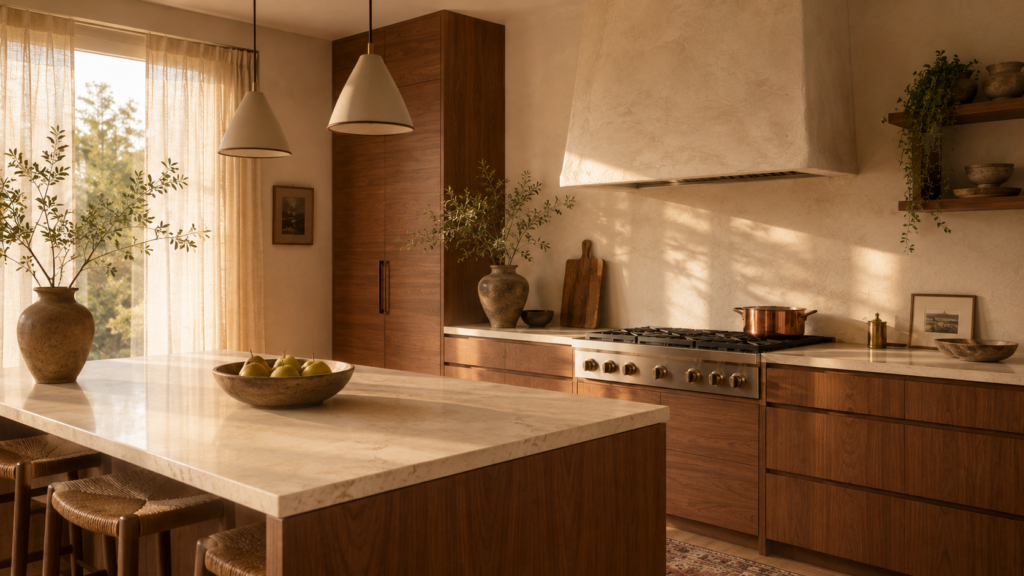
- Susceptibility to Color Shifting: Walnut is a photosensitive wood. Over years of exposure to direct sunlight, dark walnut naturally mellows and lightens into a warm, golden-honey hue.
- Premium Price Point: It is significantly more expensive than standard woods like oak, maple, or painted MDF alternatives.
- Softer Than Other Hardwoods: On the Janka hardness scale, walnut is slightly softer than white oak or hard maple, meaning it requires a bit more care to prevent deep structural impacts.
Are Walnut Cabinets Durable?
Yes, walnut cabinets are highly durable and engineered to last for decades when properly constructed.
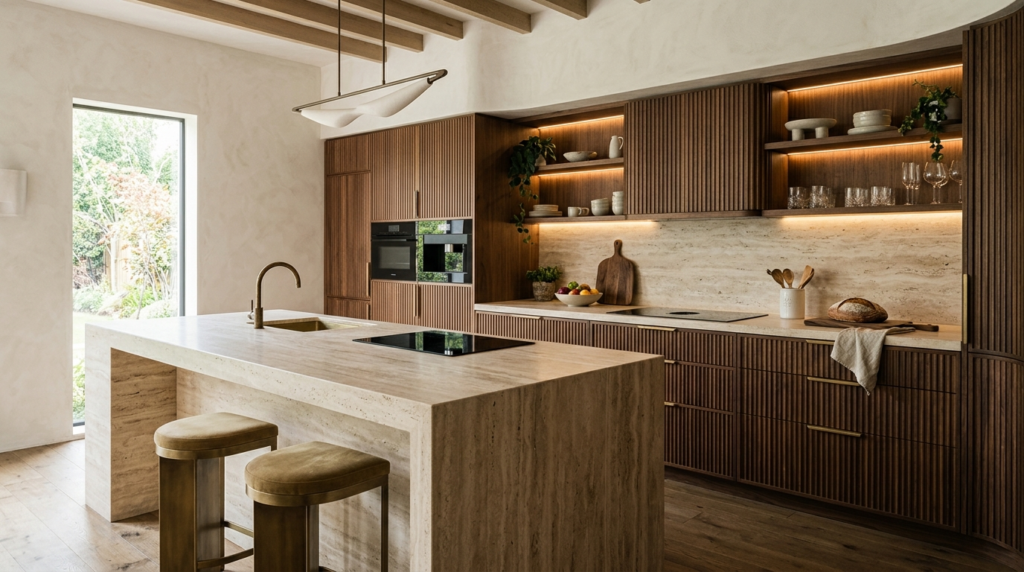
Because cabinet doors are rarely subjected to the heavy, localized impact forces of a flooring surface or a butcher-block countertop, walnut’s slight softness is rarely an issue in daily use.
To maximize durability, high-end manufacturers coat modern walnut kitchen cabinets with premium, UV-inhibiting clear matte or satin topcoats. This hard top layer seals the wood pores, shields the wood fibers from moisture, and slows down the natural color-fading process caused by ambient sunlight.
Are Walnut Cabinets Expensive?
Yes, walnut sits comfortably in the upper tier of the kitchen cabinetry pricing spectrum. There are two primary reasons why custom walnut cabinets command a premium price:
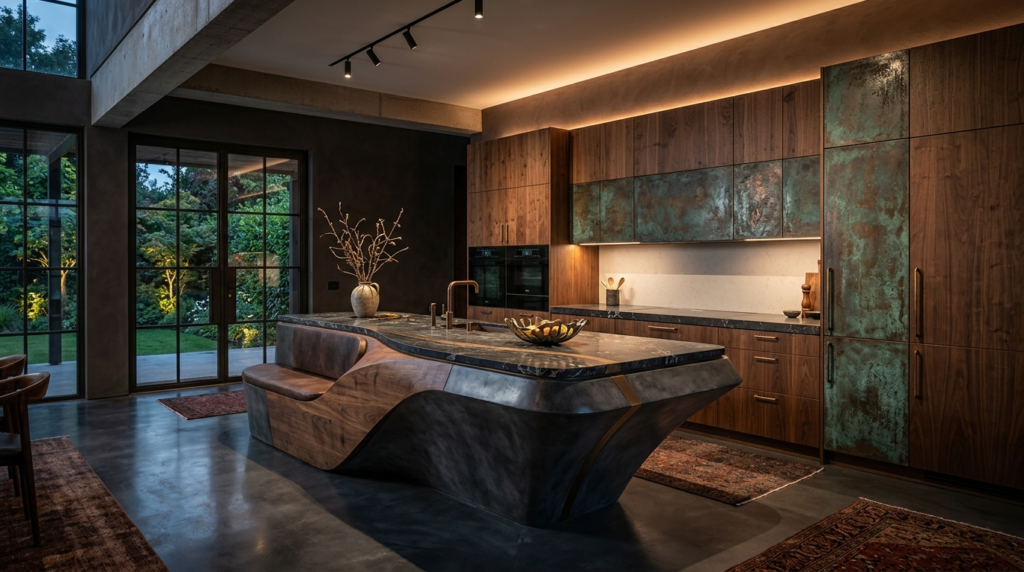
- Slow Growth Cycle: Walnut trees grow much slower and yield less heartwood per log compared to rapid-growth woods like oak, making raw walnut lumber inherently scarcer.
- Detailed Craftsmanship: To create a beautiful aesthetic, master carpenters must meticulously align and grain-match the wood veneer sheets across your entire run of cabinet doors. This labor-intensive engineering process adds to the total production cost.
Best Design Styles for Walnut Cabinets
Walnut is incredibly versatile and adapts beautifully across several distinct design movements:
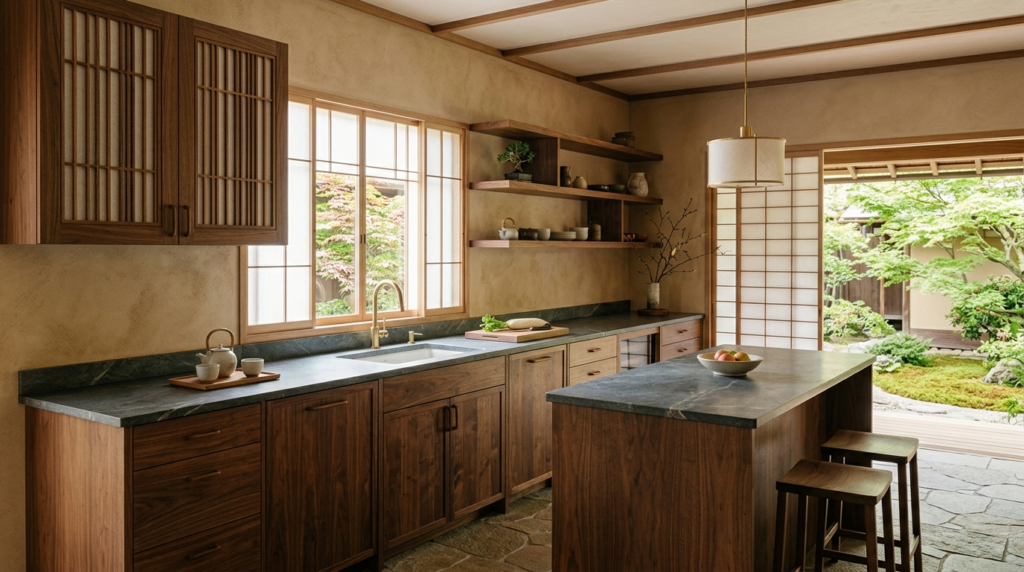
- Mid-Century Modern (MCM): Walnut was the definitive wood of the 1950s and 60s. Pairing flat-slab walnut cabinets with tapered legs and geometric accents creates a stunning retro-modern look.
- European Minimalism: Using handleless, floor-to-ceiling dark walnut panels creates a seamless, hidden kitchen wall that fits beautifully in high-end modern penthouses.
- Transitional Warmth: Combining classic walnut Shaker doors with crisp white stone countertops provides a beautiful bridge between traditional home comfort and modern clean lines.
Walnut Cabinets vs. Oak, Maple, and Painted Cabinets
To help put your material options into perspective, it helps to compare walnut directly against other common luxury kitchen finishes across the industry.
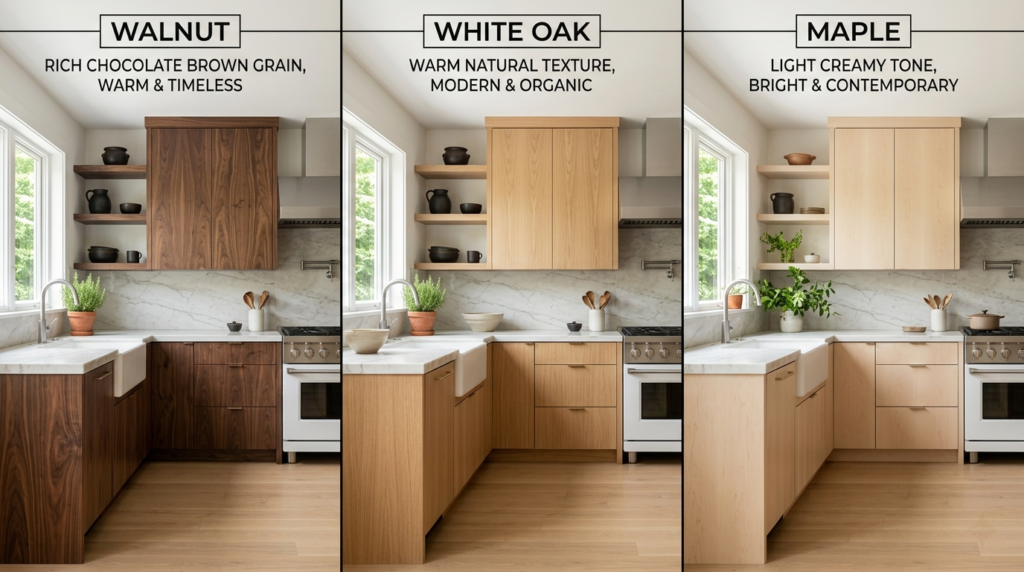
Premium Walnut Cabinets
- Cost Tier: Ultra-Premium
- The Advantage: Offers unparalleled visual luxury, organic warmth, and deep, complex grain variations that instantly elevate contemporary spaces.
- The Drawback: Requires a high initial investment and naturally shifts to a lighter tone if installed in rooms with intense, direct sunlight over many years.
White Oak Cabinets
- Cost Tier: Premium
- The Advantage: Extremely hard and scratch-resistant, featuring a tight, linear grain that brightens up transitional spaces.
- The Drawback: Can look overly rustic, heavy, or traditional if the grain pattern is too bold for a minimalist home.
Hard Maple Cabinets
- Cost Tier: Moderate
- The Advantage: Features a dense, uniform structure with a very subtle, smooth grain pattern that handles stains easily.
- The Drawback: Can look plain or lose its unique character if left entirely natural without a color tint.
Factory Painted Cabinets
- Cost Tier: Budget to Moderate
- The Advantage: Provides unlimited color flexibility and a perfectly uniform, smooth satin or matte finish.
- The Drawback: Lacks the organic beauty of real wood, and the paint can chip along high-impact edges, revealing the raw substrate underneath.
FAQs
If you prioritize architectural beauty, timeless luxury, and high-quality natural wood, walnut is absolutely worth the investment. It makes a bold style statement that generic painted options simply cannot match. However, if you are working on a strict budget, you may want to restrict walnut to an accent area, like a kitchen island.
Walnut can scratch if struck with sharp metal objects or subjected to rough pets. However, minor surface scratches typically blend right into the active, swirling wood grain. Furthermore, light scratches can often be buffed out and touched up far more easily than chips on a painted cabinet door.
Not significantly. They do not require specialized oils or daily polishes. Keeping them clean simply involves wiping them down with a soft microfiber cloth dampened with warm water and a tiny drop of mild dish soap. The most important maintenance step is avoiding harsh chemical cleaners.
Walnut pairs beautifully with white, cream, soft beige, and charcoal gray. For a high-contrast look, designers frequently pair dark walnut with bright white quartz surfaces, as detailed in our guide on walnut cabinets with white countertops.

Walnut kitchen cabinets are an investment in high-end design, exceptional craftsmanship, and long-term home value. While they require a higher upfront cost and some awareness of sunlight exposure, their spectacular visual appeal and rich texture make them a rewarding centerpiece for any modern luxury home.
Considering walnut for your upcoming renovation? Explore our comprehensive options for luxury kitchen cabinets, or read our deep-dive analysis on light vs dark walnut kitchen cabinets to find your perfect finish shade.
Contact our custom design experts today to get a tailored material quote for your kitchen project.