Thinking of importing kitchen cabinets from China—but worried about quality, scams, or hidden costs?
In simple terms: Yes, importing kitchen cabinets from China can be safe, reliable, and highly cost-effective if you follow the right process and work with the right supplier. Thousands of builders, contractors, and homeowners import cabinets every year successfully.
Why People Fear Importing Kitchen Cabinets from China
If importing kitchen cabinets from China is so cost-effective, why are so many buyers still hesitant?
Because most searches around this topic are driven by fear, past horror stories, and uncertainty—not facts.
People usually worry about:
Losing Money to Fake Suppliers
Buyers fear paying deposits to suppliers who disappear, turn out to be trading companies, or have no real factory behind them.
Receiving Poor-Quality Cabinets
There’s a common concern that cabinets may arrive with:
- Low-grade MDF
- Weak hinges or hardware
- Poor finishing that chips, cracks, or warps
Delayed Shipping or Damaged Goods
International shipping sounds risky to first-time importers:
- Will cabinets arrive late?
- Will panels break during transit?
- Who is responsible if damage occurs?
No Warranty or After-Sales Support
Many buyers fear that once the cabinets arrive, they’ll be on their own—with no replacement policy, no accountability, and no long-term support.
The Truth Most Buyers Don’t Realize
These problems do not happen because cabinets come from China.
They happen because buyers:
- Skip supplier verification
- Don’t request samples or specifications
- Fail to define packaging, inspection, and warranty terms
- Choose price over process
When imported correctly, kitchen cabinets from China are used safely by:
- Builders
- Contractors
- Developers
- Interior designers
- Large apartment and housing projects worldwide
This guide breaks down real risks, benefits, and provides a step-by-step approach to importing kitchen cabinets safely—so you can avoid costly mistakes and achieve reliable results.
Why People Import Kitchen Cabinets from China
China is the world’s largest kitchen cabinet manufacturing hub, especially cities like Foshan.
Key Reasons Buyers Choose China
- 30–50% lower cost compared to local suppliers
- Advanced machinery & mass production
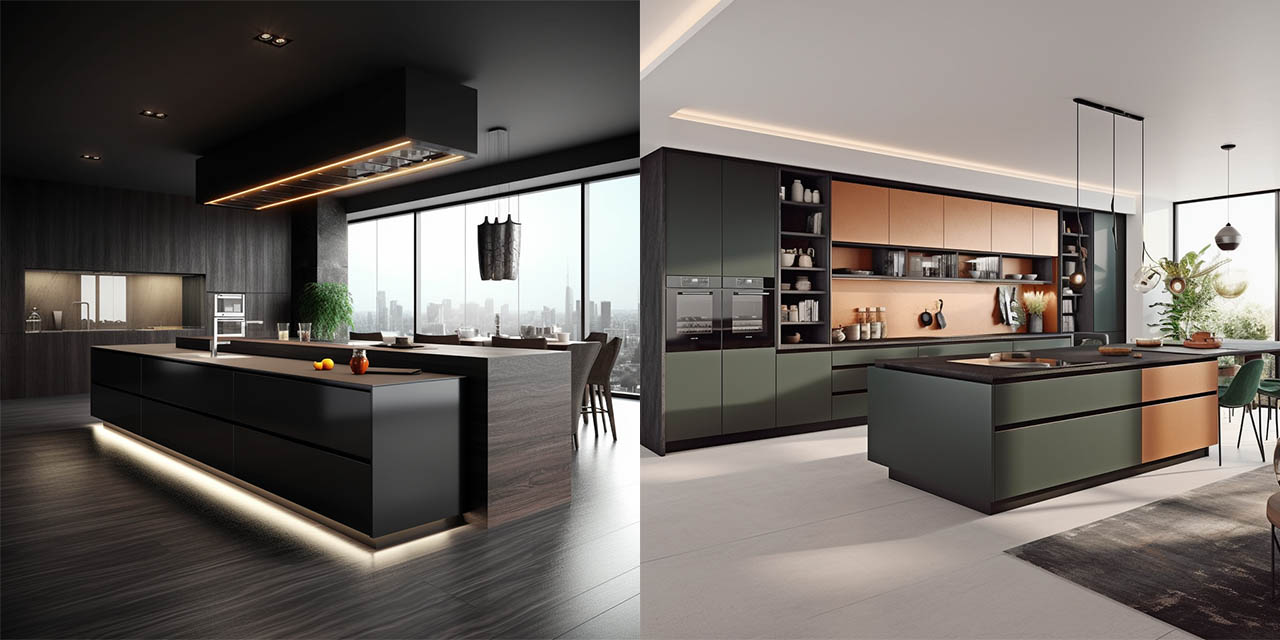
- Custom designs (modern, luxury, European styles)
- Bulk supply capability for projects
- One-stop building material solutions
This is why contractors and developers prefer Chinese suppliers for large projects.
China’s Cabinet Manufacturing Powerhouse
China is the world’s largest kitchen cabinet manufacturing hub, supported by a mature supply chain, skilled labor, and advanced production technology.
Cities like Foshan and Guangdong are globally recognized manufacturing clusters, hosting thousands of export-grade cabinet factories that supply kitchen cabinets to major international markets including the United States, United Kingdom, Australia, the Middle East, and Europe.
These regions are known for:
- Large-scale cabinet production facilities
- Strict export manufacturing standards
- Integrated supply chains (panels, hardware, finishes, accessories)
- Long-term partnerships with overseas builders and contractors
Because of this concentration of expertise, buyers sourcing cabinets from these locations benefit from better quality control, wider design options, and consistent production capacity, especially for bulk and project-based orders.
Is It Actually Safe to Import Cabinets from China?
✔️ YES — if done correctly
❌ NO — if done blindly
The risk is not the country, but:
- Choosing the wrong supplier
- Skipping quality checks
- Poor communication
- Unclear contracts
When buyers face problems, it’s usually due to lack of verification, not China itself.
Common Risks When Importing Kitchen Cabinets (And How to Avoid Them)
Risk 1: Poor Quality Materials
Some suppliers use low-grade MDF or weak finishes.
How to avoid:
- Ask for material specifications
- Request sample doors
- Confirm certifications (ISO, CARB, etc.)
Risk 2: Fake Manufacturers or Trading Companies
Not all sellers are real factories.
How to avoid:
- Ask for factory videos
- Check business licenses
- Verify showroom & production line
- Prefer suppliers with physical locations
❌ Risk 3: Shipping Damage
Improper packing leads to broken cabinets.
How to avoid:
- Insist on export-grade packaging
- Request loading photos
- Clarify damage replacement policy
Risk 4: Hidden Costs
Buyers forget shipping, customs, and taxes.
How to avoid:
- Ask for FOB vs CIF pricing
- Get a full landed cost breakdown
- Confirm HS codes & duties
Real Problems vs Smart Solutions (Quick Buyer Reference)
| Problem Buyers Face | Smart Solution That Works |
| Fake suppliers or middlemen | Verify factory licenses, request real factory videos, and confirm physical showroom locations |
| Low-quality MDF or finishes | Demand full material specifications, request sample doors, and confirm finish durability |
| Shipping damage during transit | Use export-grade packaging, request container loading photos, and clarify damage responsibility |
| Hidden charges & surprise fees | Ask for a full landed cost breakdown, including shipping, customs duties, and taxes |
Why This Table Matters for Buyers
This quick-reference table allows buyers to:
- Instantly identify what can go wrong
- Clearly understand how each risk is solved
- Make informed decisions without guessing or relying on assumptions
Instead of fearing worst-case scenarios, buyers see a clear path to safe importing.
How Can I Safely Import Kitchen Cabinets from China?
✅ Step 1: Choose a Verified Supplier
Look for:
- Years of experience
- Real factory & showroom
- International export history
- Project case studies
✅ Step 2: Get a Detailed Design First
Reliable suppliers offer:
- Free CAD / 3D designs
- Exact dimensions
- Material & finish confirmation
This reduces mistakes before production.
✅ Step 3: Sign a Clear Contract
Your contract should include:
- Materials & finishes
- Production timeline
- Packaging method
- Payment terms
- Warranty & replacement policy
✅ Step 4: Quality Inspection Before Shipping
Ask for:
- Finished product photos
- Packing videos
- Optional third-party inspection
✅ Step 5: Work With a Freight Forwarder
A professional forwarder handles:
- Customs clearance
- Shipping documentation
- Port delivery
This makes the process smooth and predictable.
How to Choose a SAFE Kitchen Cabinet Supplier in China
Choosing the right supplier is the single most important factor in determining whether importing kitchen cabinets from China is safe or risky.
Most negative experiences happen not because of the product, but because buyers choose suppliers without proper verification.
Use the checklist below before committing to any manufacturer.
✅ Safe Kitchen Cabinet Supplier Checklist
✔️ Real Factory & Showroom Proof
A legitimate supplier should be able to provide:
- Factory videos or live walkthroughs
- Clear photos of production lines
- A physical showroom showcasing finished cabinets
If a supplier avoids showing their factory, that’s a red flag.
✔️ Clear Product Specifications
A safe supplier always shares:
- Cabinet materials (plywood, MDF, solid wood, finishes)
- Hardware brands and durability standards
- Moisture resistance and surface treatment details
Vague descriptions often indicate poor-quality sourcing.
✔️ Free CAD / 3D Drawings Before Production
Professional manufacturers offer free CAD or 3D kitchen designs before production begins.
This ensures:
- Accurate measurements
- Correct layout
- No costly surprises after delivery
✔️ Written Contract & Warranty Policy
Always request a written agreement covering:
- Materials and finishes
- Production timeline
- Packaging standards
- Warranty and replacement terms
A supplier unwilling to put terms in writing is not a safe partner.
✔️ Export Experience with Real Projects
Trusted suppliers can demonstrate:
- Previous international shipments
- Project photos or case studies
- Experience working with overseas builders and contractors
Export experience reduces mistakes and delays
👉 Final Safety Tip
If a supplier refuses or hesitates to provide any of the above, walk away immediately.
There are thousands of professional cabinet manufacturers in China—you never need to take unnecessary risks.
Cost Comparison: China vs Local Cabinets
| Feature | China Cabinets | Local Cabinets |
| Price | ✅ Lower | ❌ Higher |
| Customization | ✅ High | ⚠️ Limited |
| Bulk Orders | ✅ Ideal | ❌ Expensive |
| Lead Time | ⚠️ Longer | ✅ Shorter |
| Design Options | ✅ Extensive | ⚠️ Limited |
For projects, apartments, and bulk orders, China wins clearly.
Real Cost Example: China vs Local Cabinets
Example:
A custom kitchen that costs $18,000–$25,000 from local suppliers may cost $9,000–$13,000 when sourced from China, even after including shipping, packaging, and logistics costs.
This price difference typically comes from:
- Lower manufacturing costs
- Large-scale production efficiency
- Direct factory pricing (no middlemen)
- Integrated supply chains
For builders, contractors, and project developers, this can translate into 30–50% overall savings per kitchen, especially on bulk or multi-unit projects.
Who Can Safely Import Kitchen Cabinets from China?
Importing is best for:
- Builders & contractors
- Real estate developers
- Interior designers
- Renovation companies
- Large residential projects
It may not suit:
- Very small one-off kitchens
- Urgent timelines (under 3–4 weeks)
FAQs
How long does it take?
Typically 30–45 days, including production and international shipping, depending on order size and destination.
Are Chinese cabinets durable?
Yes. When manufactured using proper materials, certified hardware, and quality finishes, Chinese cabinets meet international durability standards.
Is payment safe?
Yes, when using staged payments (deposit + balance after inspection) and a written contract that clearly defines materials, timelines, and warranty terms.
Can I get modern or luxury designs?
Absolutely. China is a global leader in modern, luxury, and European-style kitchen cabinet designs, offering extensive customization options.
What certifications should I look for?
Look for ISO quality management standards, CARB compliance for materials, and export certification that confirms cabinets meet international safety and manufacturing requirements.
Can I customize cabinets for apartments or large projects?
Yes. Most Chinese cabinet factories specialize in bulk and project-based customization, making them ideal for apartments, villas, and large residential developments.
Is It Worth It?
YES, importing kitchen cabinets from China is safe and worth it if you work with a verified, professional supplier.
You get:
- Significant cost savings+
- Custom designs
- Scalable supply
- One-stop material sourcing
The key is due diligence, clear communication, and proper planning—the same rules that apply anywhere in the world, including markets indexed by Google.
📞 Ready to Import Safely?
If you’re planning a project, the smartest move is to:
- Get a free 3D cabinet design
- Request a detailed quote
- Speak with a project specialist
This removes uncertainty before you invest.