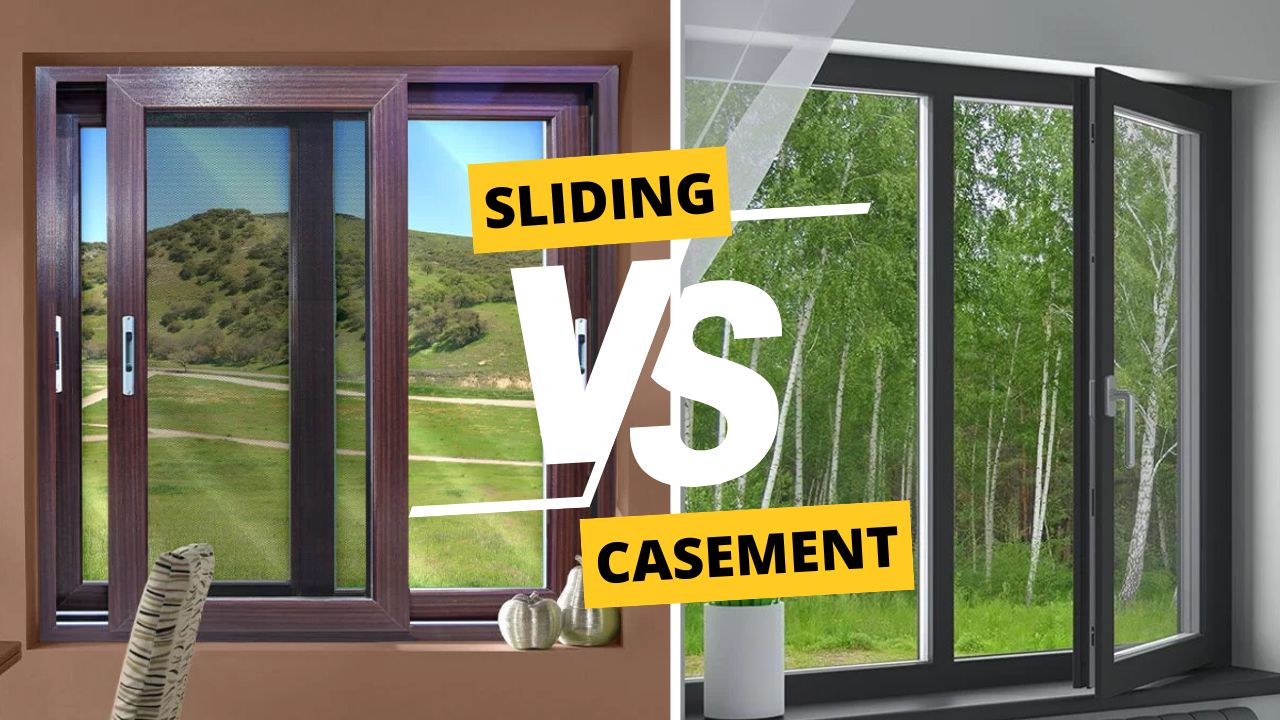
Choosing between casement vs sliding windows looks simple until you start thinking about ventilation, energy efficiency, security, space, and maintenance. A casement window vs sliding window comparison is not about finding one winner for every building. Casement windows open on hinges and can provide wide ventilation with strong compression sealing, while sliding windows move along a track and save valuable opening space. For builders and homeowners, the better choice depends on the room, climate, window size, and how the window needs to perform every day.
Casement vs Sliding Windows Quick Answer
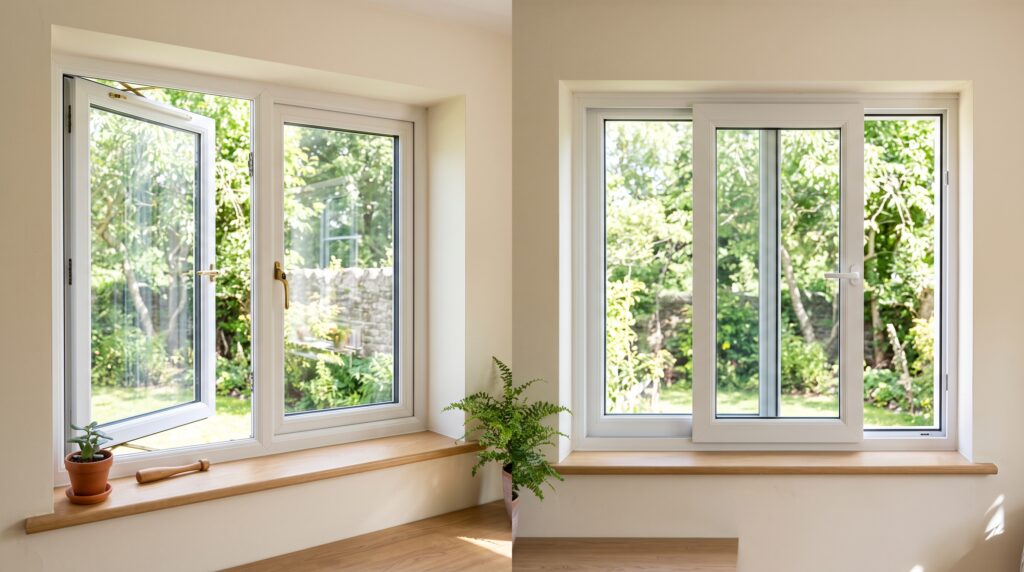
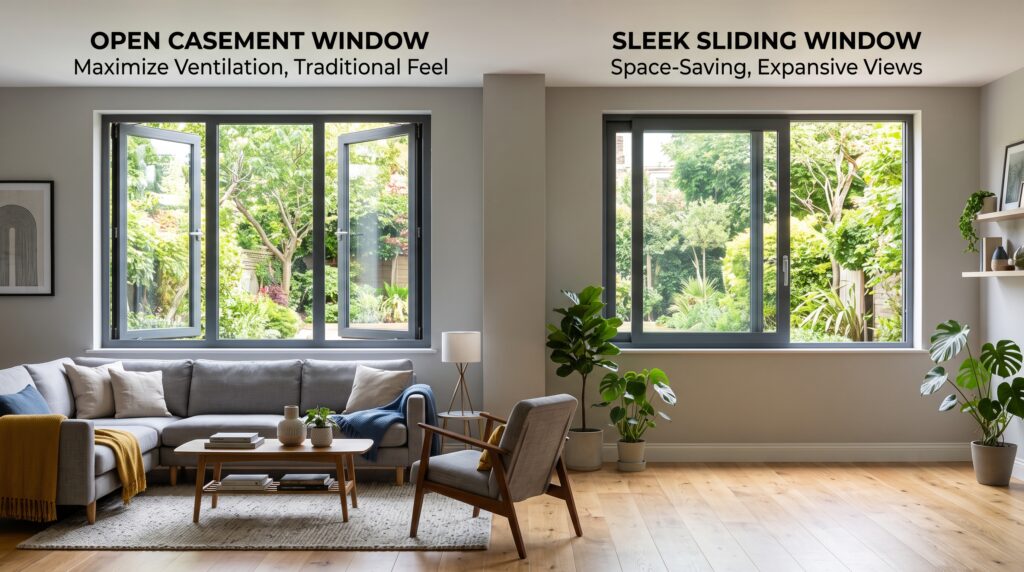
Casement windows are often a strong choice when you want maximum ventilation, good sealing, and an opening sash that can catch passing air. Sliding windows are often better for wide openings, balconies, tight exterior spaces, and rooms where an outward opening sash would get in the way. Both can offer good security, energy performance, and modern glazing when correctly specified. This guide compares ventilation, energy efficiency, security, cost, maintenance, climate, wide openings, and commercial project use, so you can choose the right system instead of choosing by appearance alone.
How Casement Windows Work
A casement window has a sash hinged along one side that opens inward or outward using a handle or crank. When the window closes, the sash presses against seals around the frame, and that compression is one of the main casement window advantages over sliding windows, supporting good airtightness when the window is correctly manufactured and installed.
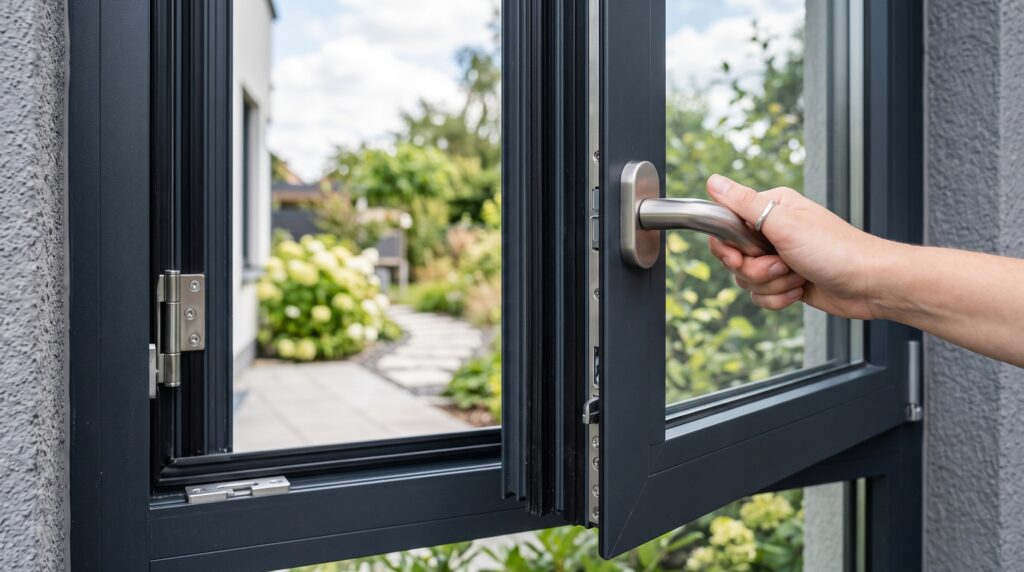
Casement designs include single sash, double sash, French casement, and fixed and casement combinations, making them useful in bedrooms, living rooms, kitchens, and areas where stronger controlled airflow matters. Explore Parlunbuilding casement windows before deciding on the final frame and glazing specification.
How Sliding Windows Work
Sliding windows operate differently. Instead of moving away from the wall, the sash moves horizontally or vertically along a track, which is especially practical where there is limited exterior clearance. You can place furniture outside, use the window beside a walkway, or install it near a balcony without worrying about an outward opening sash.
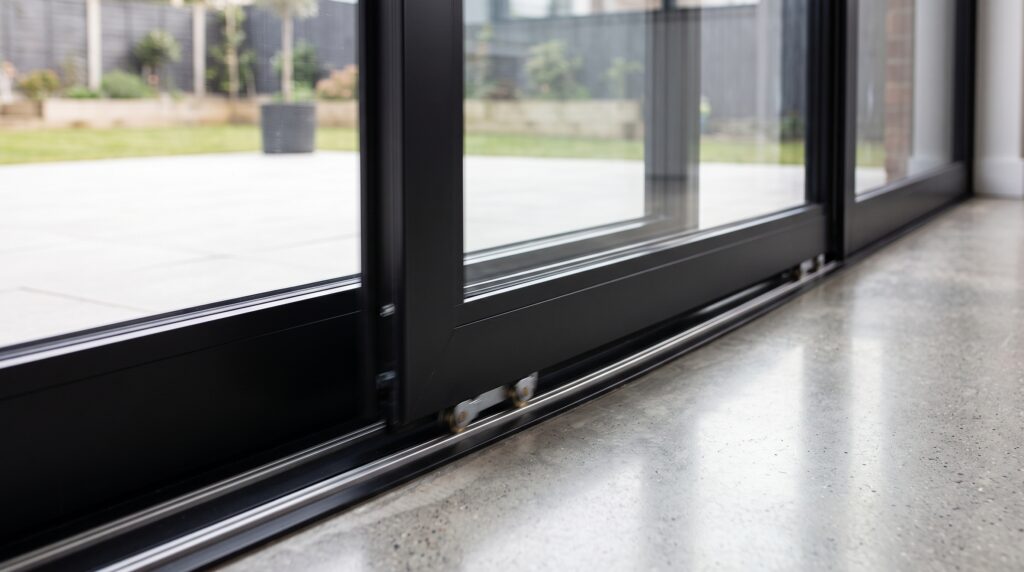
Sliding systems include standard sliding sashes, two track systems, lift and slide hardware, and vertical sliding designs. This space saving design is one reason sliding windows remain popular for homes, apartments, hotels, and commercial projects. Review Parlunbuilding sliding windows to compare available materials and configurations.
Casement vs Sliding Windows Comparison
|
Factor |
Casement Windows |
Sliding Windows |
|
Opening method |
Hinged sash |
Sash moves along track |
|
Ventilation potential |
Very good |
Good |
|
Exterior clearance |
Usually required |
Not required |
|
Airtightness potential |
Strong compression sealing |
Depends on seals and track design |
|
Wide openings |
Depends on sash size |
Very suitable |
|
Hardware |
Hinges, handles, locks, crank |
Rollers, tracks, locks |
|
Cleaning |
Depends on opening and access |
Tracks need regular cleaning |
|
Security |
Strong with suitable hardware |
Strong with suitable locks |
|
Tight exterior spaces |
Less suitable in some layouts |
Very suitable |
The important word here is potential. A poorly made casement window does not automatically outperform a well designed sliding window. Glass quality, frame construction, seals, hardware, and installation all influence the finished product.
Casement vs Sliding Window Ventilation
If ventilation is the main goal, casement windows have an advantage. A casement sash can usually open through a large part of the window area, and the projecting sash can interact with passing wind, potentially guiding air into the room. This suits bedrooms, kitchens, bathrooms, and naturally ventilated spaces.
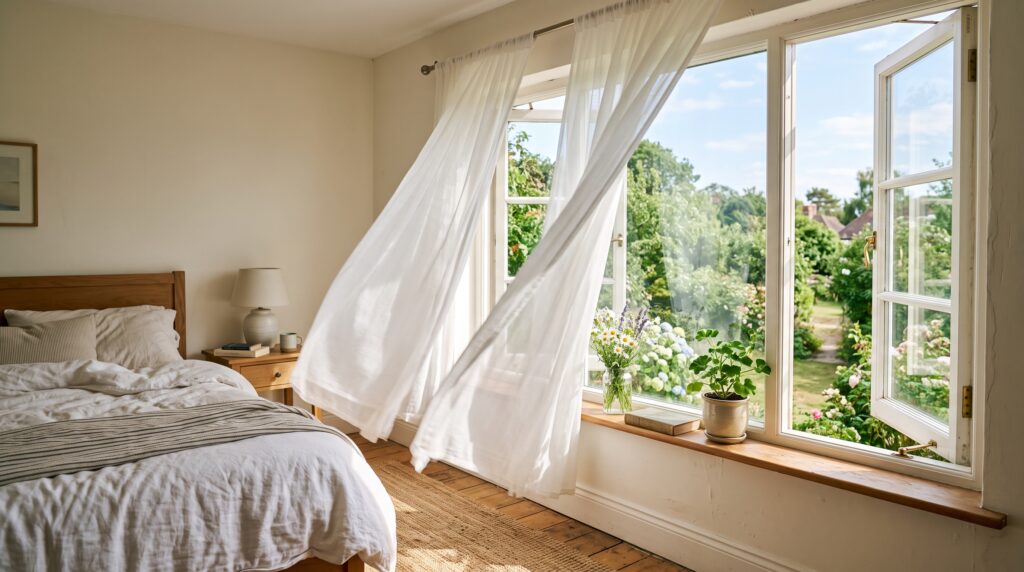
For cross ventilation, the whole building layout matters as much as the individual window, since air needs both an entry and exit path. A large casement window on only one side of a sealed room will not create the same airflow as openings positioned on different sides of a building. Sliding windows still provide useful ventilation, just differently, and can suit rooms where you want easy controlled airflow without an outward sash.
Casement vs Sliding Window Energy Efficiency
Casement windows often have an airtightness advantage because the sash presses against weather seals when it closes. Sliding windows need the sash to keep moving along a track, so their sealing system cannot work in exactly the same way.
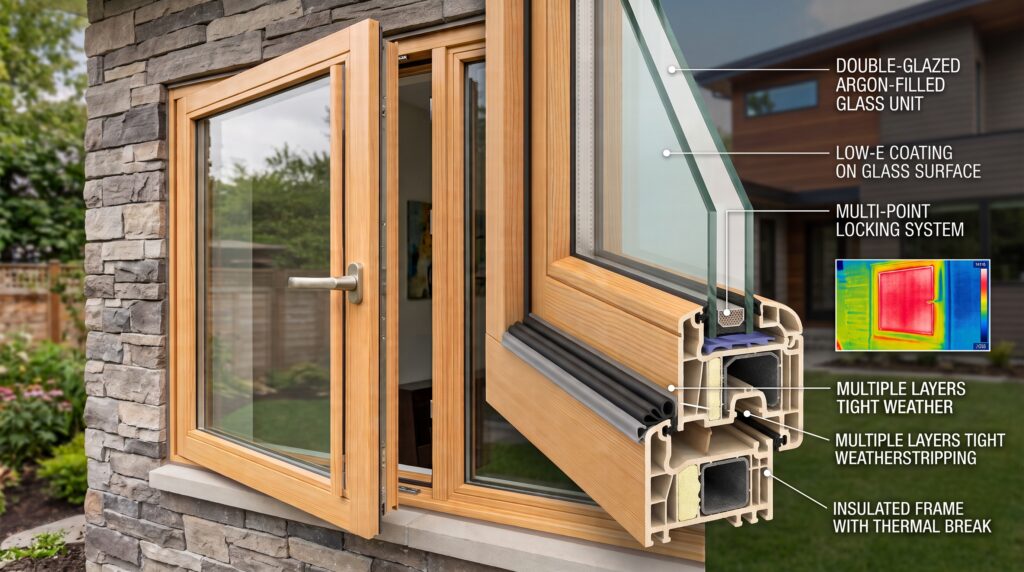
However, opening style is only one part of energy performance. Buyers should also compare whole window U value, frame material, glazing type, Low E coating, gas fill, spacer design, and installation quality. A high performance sliding window with good glazing and seals may perform better than a low quality casement unit. If thermal performance is a key part of your specification, read Parlunbuilding’s energy efficient windows guide before comparing quotations. Do not choose a window from opening style alone.
Casement vs Sliding Window Security
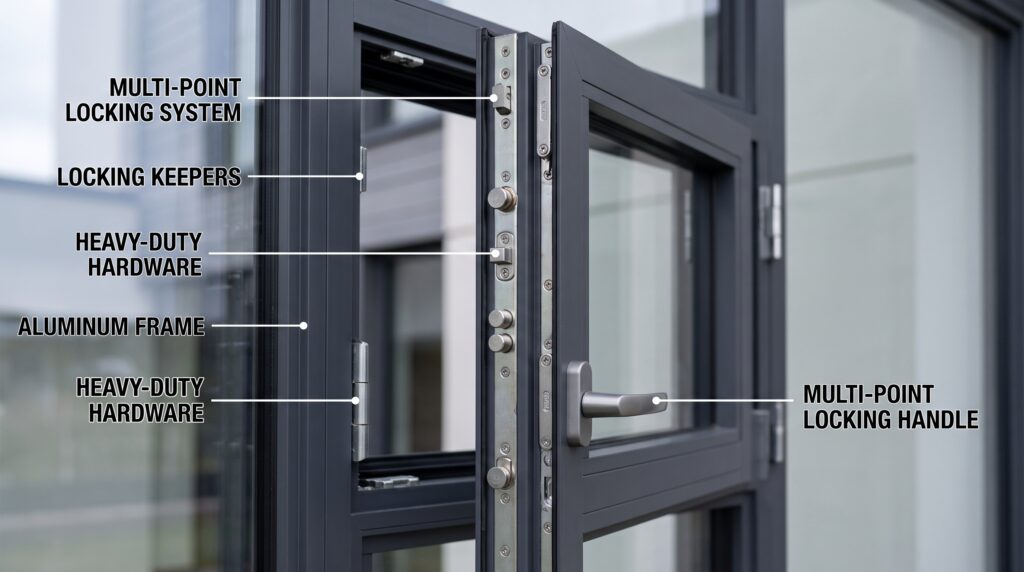
Both can be secure, and the answer depends on the actual system rather than the opening style. Casement windows can use locks that pull the sash firmly against the frame. Sliding windows can use multi point locking, anti lift features, secure interlocks, and laminated glass. Glazing matters too, since a strong frame with unsuitable glass may not meet a project’s security requirement. For ground floor windows, apartments, and other security sensitive areas, include the required hardware and glazing in your specification rather than simply asking for a secure window.
Casement vs Sliding Window Cost
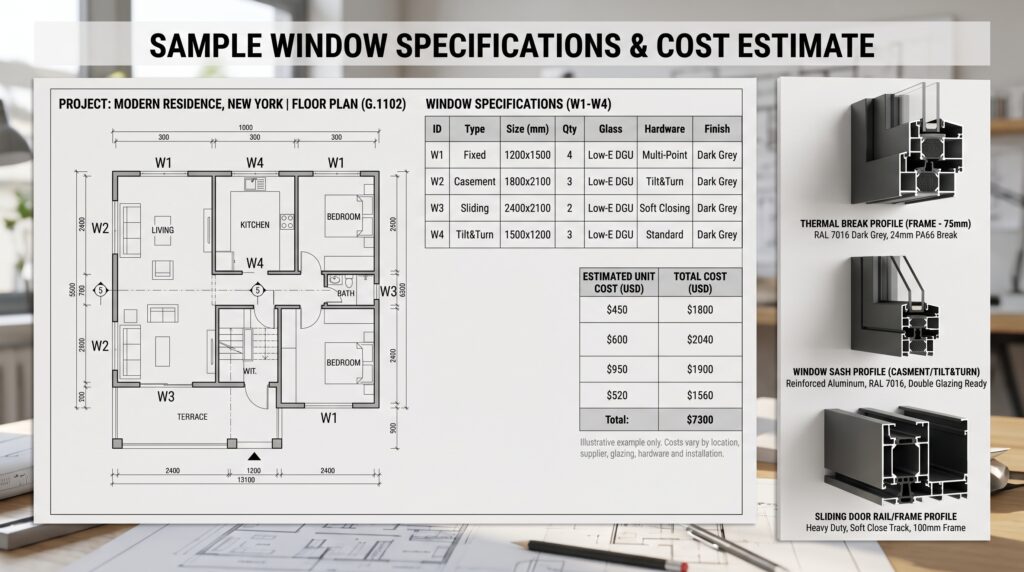
There is no reliable universal price difference between the two styles. A simple sliding configuration may sometimes cost less than a complex casement system, but the final price depends on far more than how the window opens, including dimensions, frame material, glass specification, hardware, color, fly screens, quantity, and shipping. When comparing casement and sliding window costs from a China supplier, compare two complete specifications with the same glass performance, size, and finish, rather than comparing opening styles alone.
Casement vs Sliding Window Maintenance
Both window types need basic maintenance in different areas. Casement windows have hinges, handles, and sometimes crank mechanisms, so check that the sash stays aligned and hardware operates smoothly. Sliding windows need clean tracks and rollers, since dust and debris can make the sash harder to operate. For either type, keep drainage clear, clean seals gently, and correct alignment problems early.
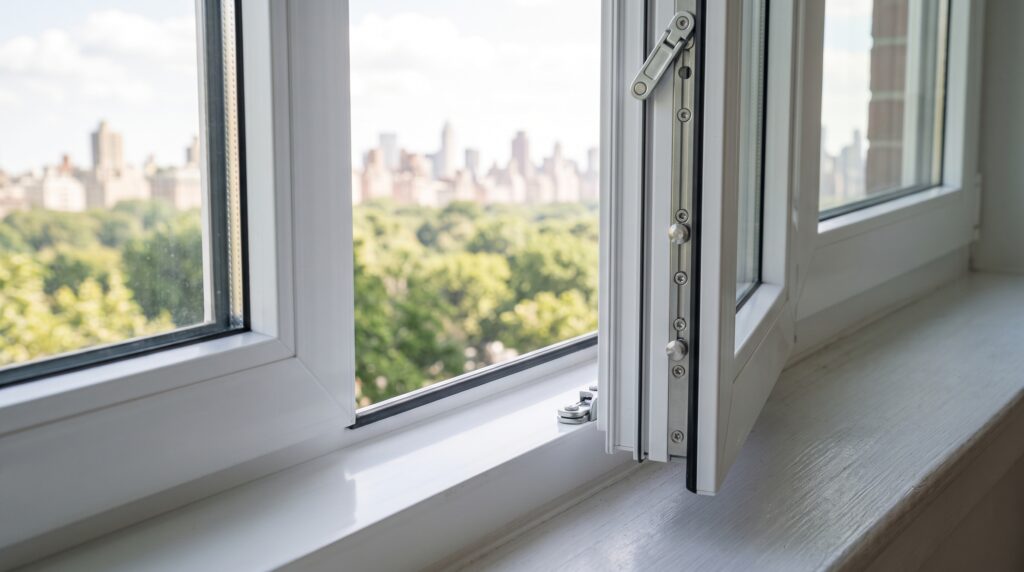
Cleaning access also differs by design. A casement window may allow better access to glass depending on whether it opens inward or outward, while sliding windows can have removable sashes in some systems, though fixed outer sections may be harder to reach. Before ordering windows for upper floors, ask whether both glass surfaces can be reached safely, which matters far more for a hotel or apartment tower than a ground floor home.
Climate Considerations for Casement and Sliding Windows
Sliding windows for tropical climates make good practical sense since they provide ventilation without an outward obstruction around balconies and compact buildings. For hot, humid locations, focus on solar heat gain, drainage, corrosion resistant hardware, and fly screens rather than insulation alone.

For coastal or humid climates, salt exposure can be demanding on unsuitable metals and hardware, and condensation and drainage also matter. Casement and sliding windows can both work well in these conditions. The correct finish, hardware, glass, and drainage plan matter more than which opening type you choose, so tell Parlunbuilding the building location and exposure before finalizing a specification.
Best Windows for Wide Openings and Limited Clearance
Sliding windows become particularly attractive for wide openings since the sash moves inside the window plane with no large projection outside, working well for wide living room windows, balconies, hotels, and commercial spaces with panoramic views. Casement windows are still useful within wide openings, but the design may need several smaller sashes or a mix of fixed and opening units. For unusual dimensions, Parlunbuilding custom windows can be configured around the actual opening.
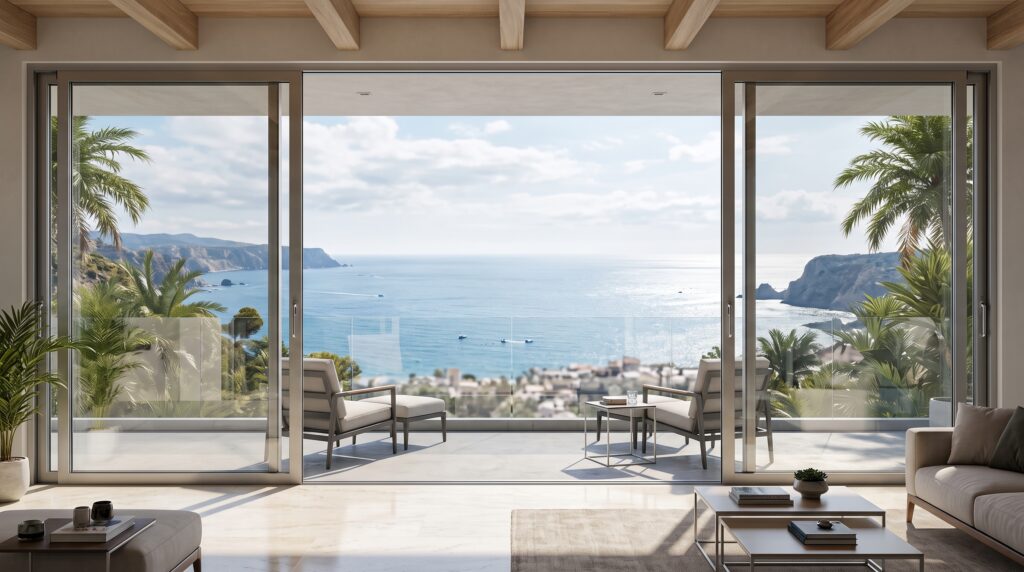
The same logic applies to limited exterior clearance. If a walkway, balcony, or exterior furniture sits close to the window, an outward opening casement sash may be inconvenient, and sliding windows avoid this since the sash stays within the frame plane. This is one of the clearest situations where a sliding window can be the more practical choice, even if a casement performs better in another category.
Can You Use Casement and Sliding Windows Together
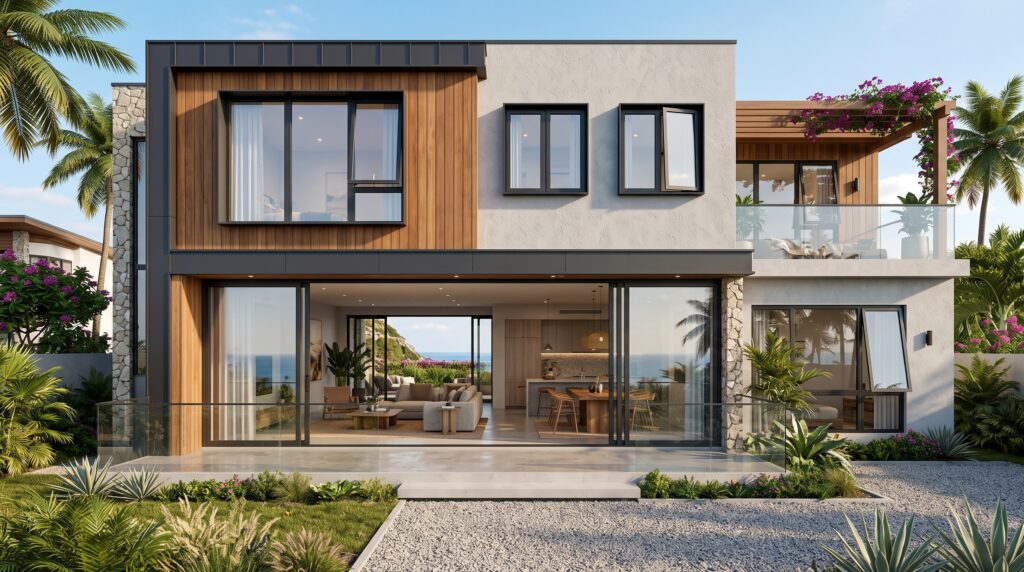
Yes, and many projects should. There is no rule that every opening on a building must use the same operating style. You might use casement windows in bedrooms where ventilation and sealing are priorities, sliding windows in living rooms with much wider openings, and fixed windows for views. Using several types can solve real building problems rather than forcing one product into every room.
Casement vs Sliding Windows for Commercial Projects

Builders, architects, developers, and procurement teams should compare systems at project level rather than room by room. Prepare a window schedule with sizes, quantities, opening directions, frame material, glass specification, required U value, required air and water performance, hardware, and safety requirements. This turns a general comparison into an actual procurement decision, and the same building may need several solutions across different areas.
Which Window Is Better for Your Project
Choose casement windows when you prioritize wide ventilation, compression sealing, and controlled airflow. Choose sliding windows when you prioritize space saving, wide openings, and no exterior projection. Choose both when the building has different needs in different rooms, which is often the smartest answer. The best window is not the style that wins the most comparison categories. It is the window that fits its opening, climate, and use correctly.
Get Help Choosing Casement or Sliding Windows
Send your window sizes, drawings, or window schedule, and we will help you compare frame materials, glazing, opening styles, and hardware for residential and commercial projects.