PVC vs aluminum windows is one of the most important material choices for builders and homeowners planning new windows. uPVC vs aluminum windows differ in thermal insulation, frame strength, sightlines, and the size of openings they can support. PVC is naturally less conductive and works well for many energy focused residential projects, while aluminum is strong, slim, and attractive for larger glazing and commercial architecture. Neither material is automatically better. The right choice depends on the building, window size, climate, and performance requirements.
PVC vs Aluminum Windows Quick Answer
PVC windows are a strong starting point for standard residential openings where insulation, low maintenance, and cost control matter. Aluminum windows are often preferred for large openings, slim sightlines, and structurally demanding commercial designs. Modern thermal break aluminum can greatly improve frame insulation, while reinforced multi chamber PVC can handle many residential needs. This guide compares energy performance, strength, maintenance, lifespan, cost, and residential and commercial use, and whether both materials can be used in the same building.
What Are PVC Windows
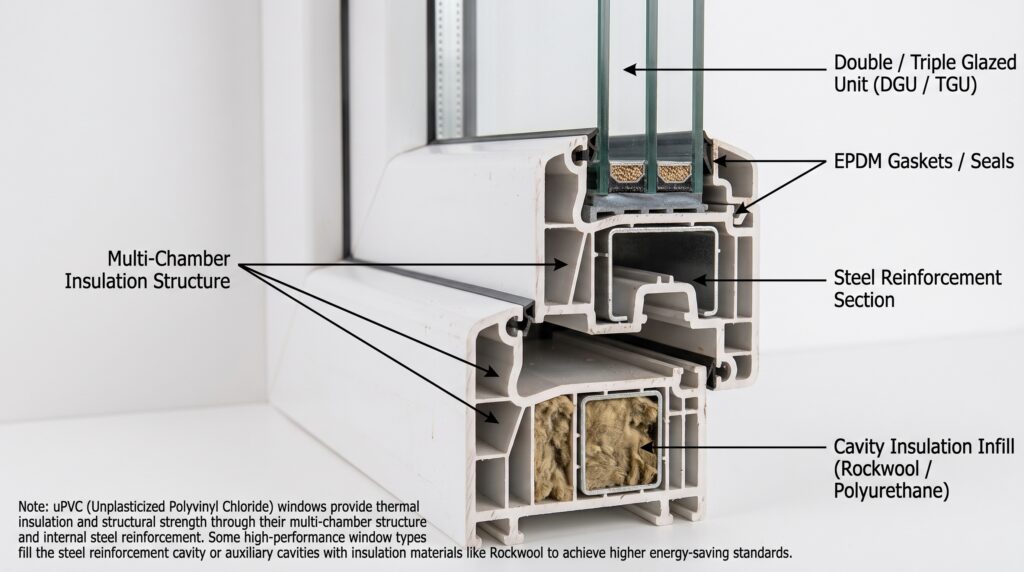
PVC windows use rigid polyvinyl chloride profiles. In window terminology you may also see uPVC windows, short for unplasticized polyvinyl chloride, the rigid form used to manufacture window profiles. The frames often have internal chambers that shape the profile and support thermal performance, and depending on size, the profile may also use reinforcement.
PVC is popular for its good natural thermal resistance, low maintenance, moisture resistance, flexible colors, and compatibility with double or triple glazing. Explore Parlunbuilding’s full range of PVC windows for opening styles, glazing, and finishes.
What Are Aluminum Windows
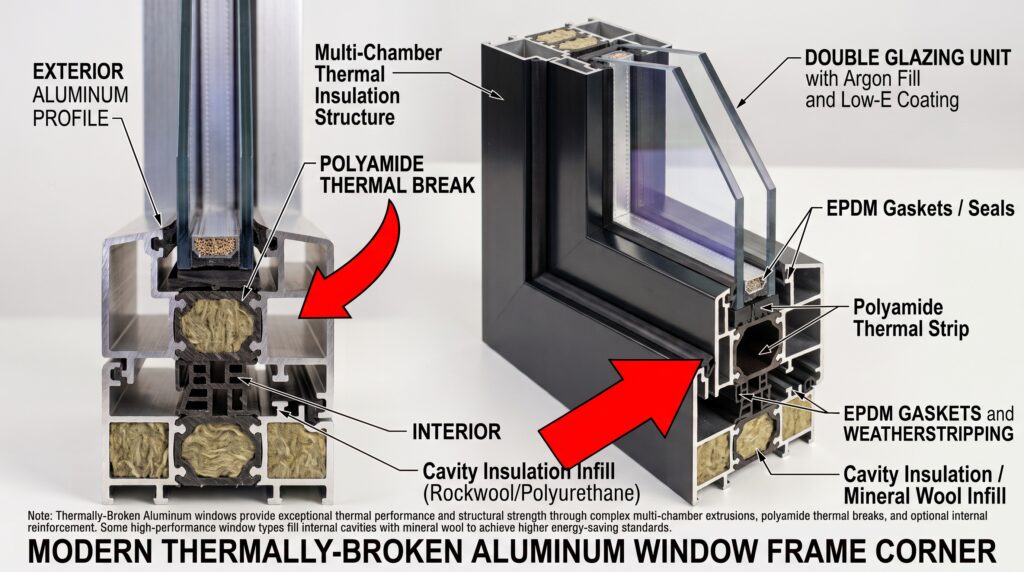
Aluminum windows use extruded metal profiles, and strength is one of the material’s biggest advantages, supporting slim frame sections and larger glazed areas while remaining light compared with other metals. This makes aluminum popular for modern homes, villas, hotels, offices, and floor to ceiling glazing. It also offers many surface finishes, including powder coated and anodized options.
For conditioned buildings, thermal performance requires closer attention since aluminum conducts heat much more easily than PVC. A modern thermal break aluminum window places a lower conductivity material between the interior and exterior parts of the frame to reduce heat transfer. Compare Parlunbuilding metal windows when evaluating aluminum frame systems.
PVC vs Aluminum Windows Comparison
|
Factor |
PVC Windows |
Aluminum Windows |
|
Natural frame insulation |
Strong |
Lower without thermal break |
|
Structural strength |
Good for many applications |
Very strong |
|
Frame thickness |
Often wider |
Often slimmer |
|
Large glazing |
Possible within system limits |
Strong option |
|
Color choice |
Good |
Very broad |
|
Commercial use |
Good when system fits |
Very strong |
|
Thermal break needed |
Not in the same way as metal |
Important for high thermal performance |
|
Project cost |
Often lower |
Often higher for comparable premium systems |
These are general tendencies. Specification matters more than material labels.
PVC vs Aluminum Windows Thermal Insulation
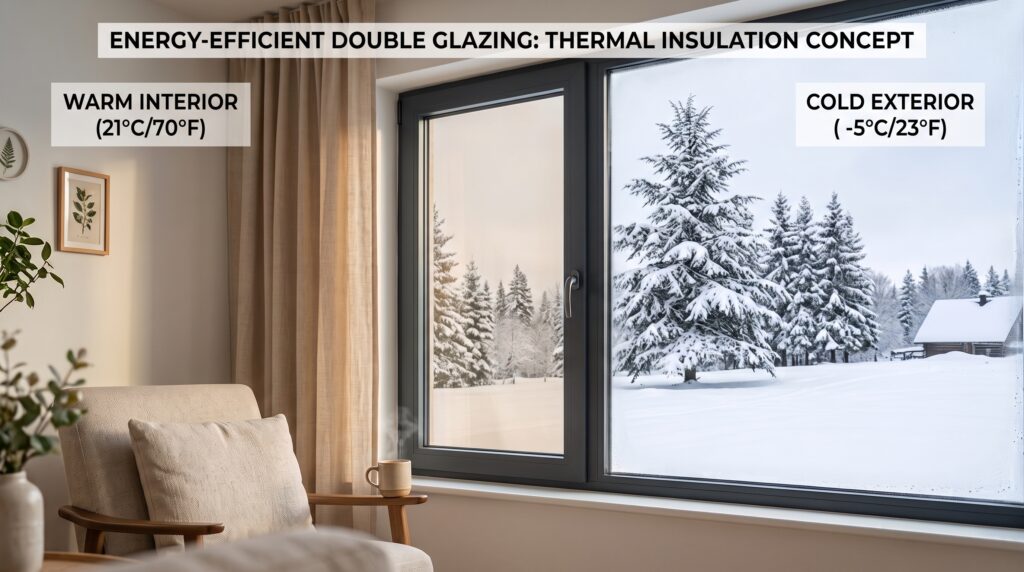
PVC has relatively low thermal conductivity, giving the frame a natural advantage, and multi chamber profile design improves this further. Aluminum conducts heat quickly, so a basic frame creates a stronger path for heat transfer, which modern systems solve with a thermal break.
When comparing energy performance, ask for the whole window U value instead of judging the frame alone, since the window includes the frame, sash, glass, spacer, and seals. A PVC frame with poor glass may perform worse than a well designed thermal break aluminum system with high performance glazing. For deeper guidance, compare Parlunbuilding energy efficient windows.
Frame Thickness and Slim Sightlines

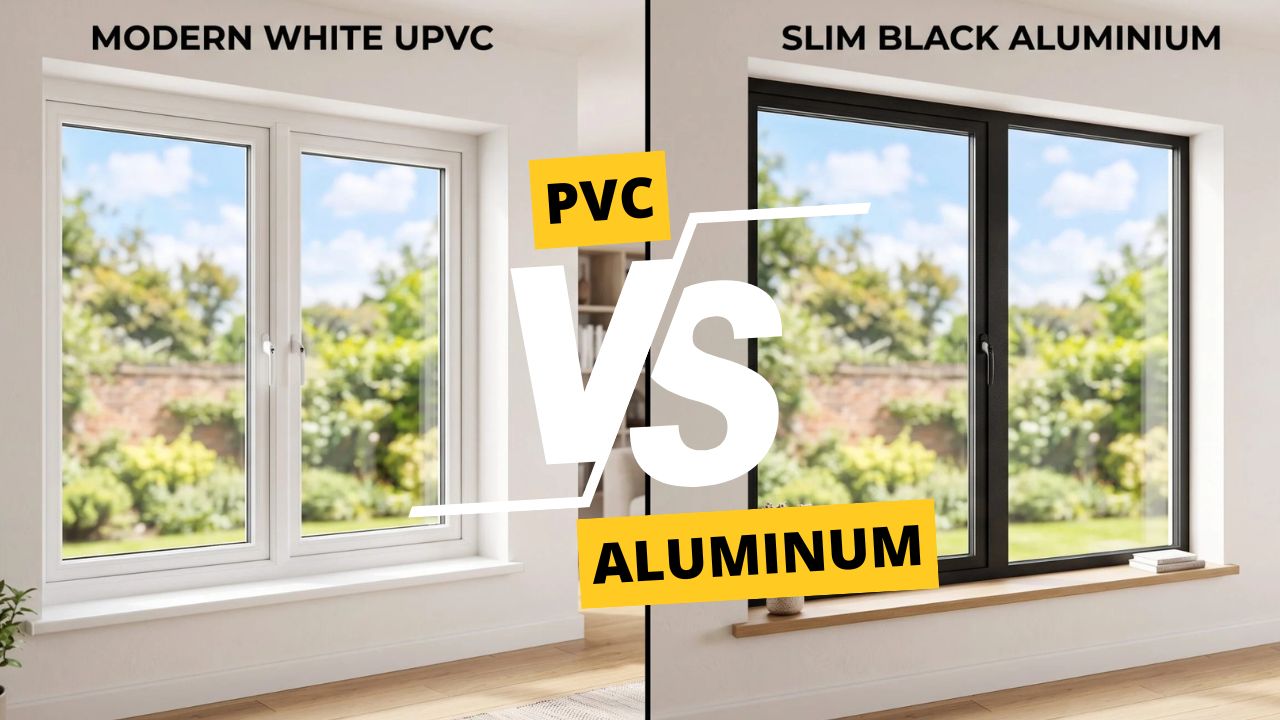
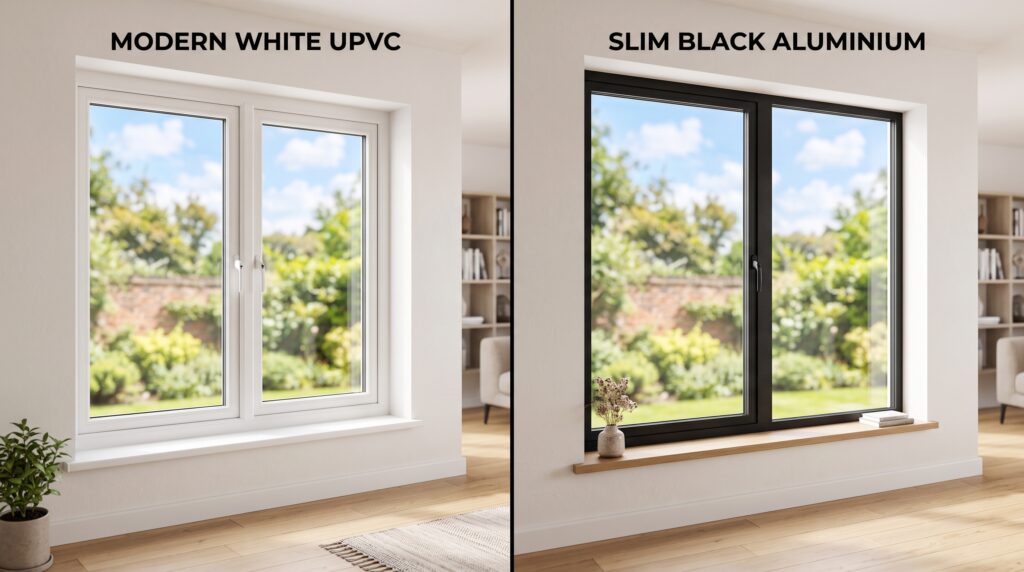
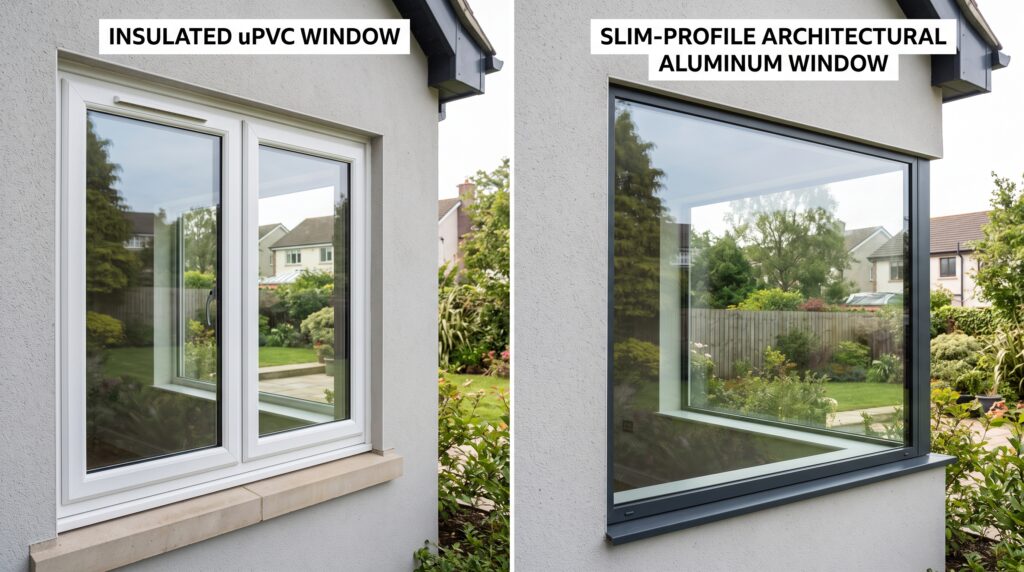
If you want more glass and less visible frame, aluminum often becomes attractive, since its structural properties support slim sightlines where PVC may need wider sections. This matters for luxury villas, minimalist homes, and large picture windows.
PVC has become much more design focused too, with dark finishes and clean lines now common. The decision is no longer simply traditional PVC versus modern aluminum. It is about how much frame you want to see and what structural performance the opening requires.
PVC vs Aluminum Strength for Large Openings

When a window becomes very large, the glass gets heavy and wind loads matter more, which is where aluminum’s structural strength becomes a major advantage, frequently used for large fixed glazing and high rise facade applications.
PVC can still be used for many custom sizes, but the profile may need reinforcement mullions or different panel divisions. Never increase window dimensions just because a product image looks similar. The supplier should check maximum sash size, glass weight, and wind pressure. Parlun Building custom windows can be specified around actual project dimensions instead of forcing unusual openings into standard sizes.
PVC vs Aluminum Windows for Energy Efficient Homes

PVC often suits energy focused residential projects since the frame itself has useful insulating characteristics, and can combine with double or triple glazing, Low E glass, and argon fill. Aluminum can also work well in high performance homes, but the key is choosing a thermally improved system, since a well designed frame with an effective thermal break and appropriate glazing can achieve strong whole window performance. Do not compare standard PVC with basic unbroken aluminum and assume it covers every product on the market. Compare like with like.
Climate Considerations for PVC and Aluminum Windows

Hot climates add solar heat gain as a factor. The frame still matters, but glass may cover most of the window area, so strong sun exposure should factor in SHGC, Low E coating, orientation, and frame color. A dark frame in direct sunlight may reach different surface temperatures than a light one, so tell the supplier where the building is located.
Both materials can work near the coast, but every component needs protection. PVC does not rust, and aluminum forms a protective oxide layer, though finish and hardware still need attention. Discuss finish and drainage rather than judging suitability by frame material alone, since locks and rollers can become the weak point if incorrectly specified.
Maintenance and Lifespan
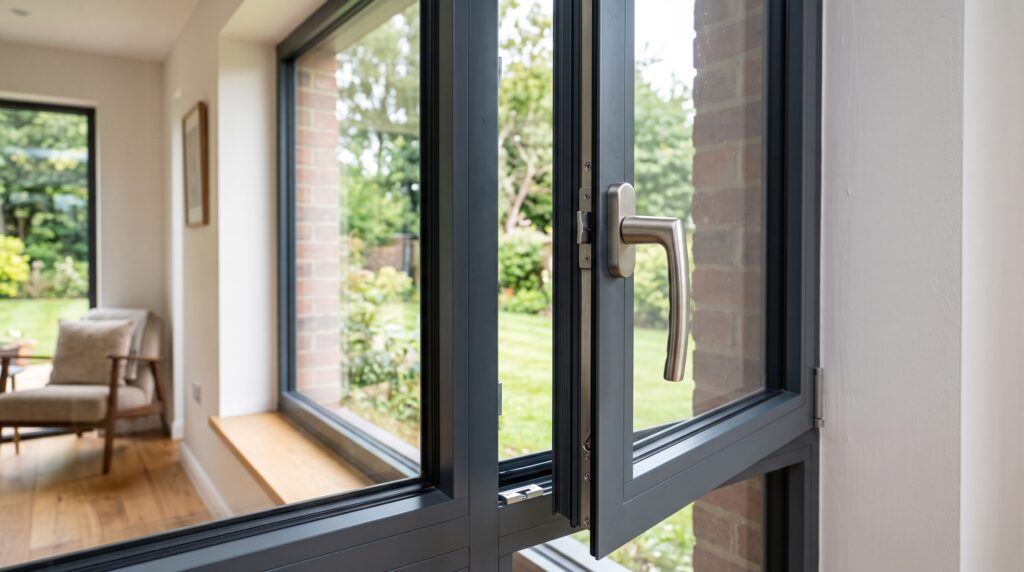
Both materials are easier to maintain than unfinished timber. PVC needs routine cleaning and inspection of seals and finish. Aluminum needs normal cleaning plus checks on coating and sealant. Coastal and industrial locations may need more frequent cleaning, and low maintenance does not mean maintenance free.
Simple lifespan numbers for PVC and aluminum can be misleading, since service life depends on profile quality, UV exposure, hardware, installation, and maintenance. Aluminum has strong dimensional stability, suiting long term architectural use, while quality PVC also provides long service in normal residential conditions. Ask for the specific product warranty and project references rather than buying on a generic lifespan number.
PVC vs Aluminum Window Colors
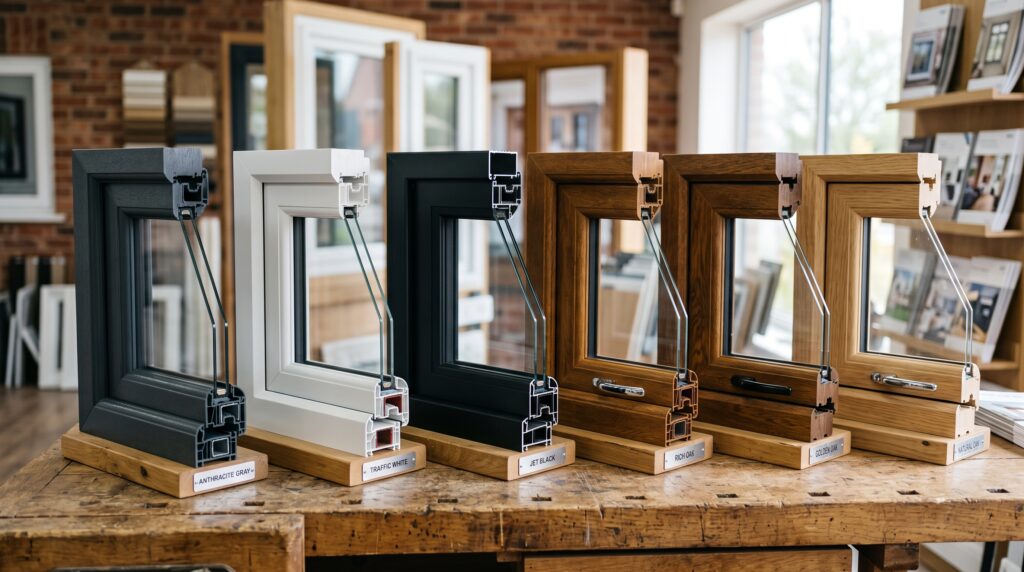
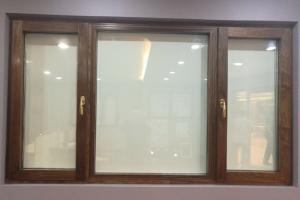
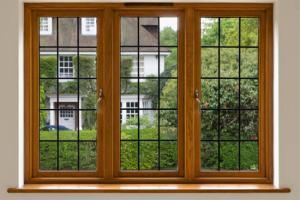
PVC is no longer limited to plain white. Modern PVC windows use white, anthracite, black, gray, and wood look foils. Aluminum offers especially broad flexibility, including powder coating, anodized finishes, and RAL based colors. For a large project, approve a physical sample before mass production, since screen colors do not always represent the finished frame accurately.
PVC vs Aluminum Window Cost

PVC vs aluminum window cost cannot be reduced to one price per square meter, since a basic PVC window and a large thermal break aluminum window are different products, and price changes with frame series, dimensions, glass, hardware, and quantity.
PVC is often the more economical starting point for standard residential windows. Aluminum may cost more when thermal breaks or premium profiles are required. But purchase price is only one part of project cost, since the wrong window can create higher installation or replacement costs later.
PVC vs Aluminum Windows for Residential and Commercial Projects

For many standard homes, PVC provides a practical combination of insulation, easy maintenance, and manageable cost. Aluminum becomes attractive when a home includes large feature windows or wide sliding systems. Some homes use both, which can be smarter than forcing one material across every opening.
For commercial projects, PVC suits apartments and hotels, while aluminum often suits offices, retail buildings, and large facade systems. Commercial purchasing should focus on the complete window schedule, asking for the exact size, frame, glass, and performance rather than choosing a material from a brochure alone.
Aluminum Windows for High Rise Buildings
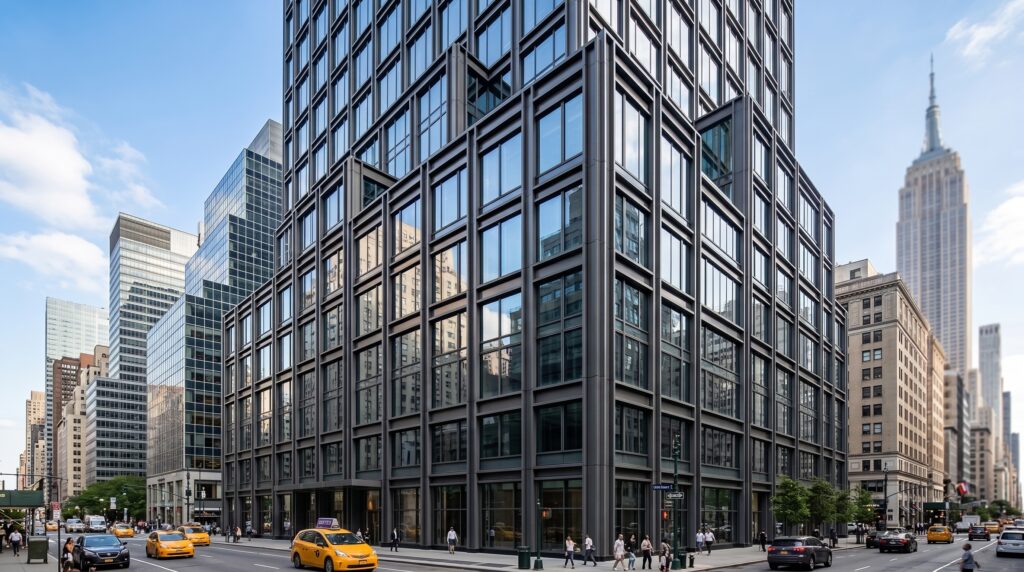
High rise projects bring stronger structural and facade requirements, where wind pressure and building movement matter. Aluminum’s structural strength makes it common in high rise and facade window applications, including curtain wall systems and slim commercial frames. However, aluminum does not automatically mean a product is suitable for high rise use. The exact system must be engineered and tested for the project requirements.
Can You Mix PVC and Aluminum Windows

Yes. There is no technical rule saying every window in a building must use the same material. A project may use PVC for bedrooms, aluminum for large living room glazing, and aluminum systems for commercial facade areas. The challenge is visual consistency, since colors and hardware should be coordinated across the building. When planned correctly, mixing the two materials gives each part of the building the system it actually needs.
PVC vs Aluminum Windows Sustainability

Both materials can enter recycling streams with suitable collection systems. For buyers focused on environmental impact, a simple material comparison is not enough. Consider material used, recycled content, manufacturing energy, and lifespan. Good energy performance over many years can also influence a window’s overall impact, so avoid a sustainability decision from one marketing claim.

Which Window Material Is Better for Your Project
Choose PVC for strong frame insulation, standard residential openings, low maintenance, and cost control. Choose aluminum for slim sightlines, large glazing, structural strength, and commercial applications. Consider using both when different parts of the building have different requirements. The best choice is not PVC or aluminum in isolation. It is the complete window that gives the building the right combination of performance, design, and cost.
Get a Custom PVC or Aluminum Window Quote
Send your drawings, sizes, and project location, and we will help you compare frame options, glazing, and opening types for your project.