What are the biggest home lighting trends in 2026?
2026 Home Lighting Trends at a Glance
Before we dive deeper, here’s a quick snapshot of how home lighting is evolving in 2026:
| Past luxury | → | 2026 shift | → | New priorities | → | Lighting’s role |
| – Materials – Statement pieces -Visual opulence | Feel > Look | – Comfort – Calmness – Emotional well-being | – Mood – Relaxation – Focus- Sleep |
In short, luxury in 2026 is less about visual opulence and more about emotional well-being—and lighting is central to that shift.
For many years, premium materials, statement furniture, and perfectly styled interiors defined luxury in home design. Marble countertops, oversized chandeliers, and high-end finishes were often the main markers of a luxurious home.
But this year, the idea of luxury is evolving.
Today, more homeowners are prioritizing how their homes feel, not just how they look. Comfort, calmness, and emotional well-being are becoming central to interior design decisions. As a result, lighting is taking on a much more important role.
Thoughtfully designed lighting can influence mood, support relaxation, improve focus, and even help regulate sleep patterns. In modern homes, lighting is no longer simply functional—it has become an essential part of creating spaces that support emotional wellness.
Why Wellness Lighting Is the New Definition of Luxury
Simply put, in today’s fast-paced and high-pressure world, a calm state of mind has become one of the rarest things we can have.
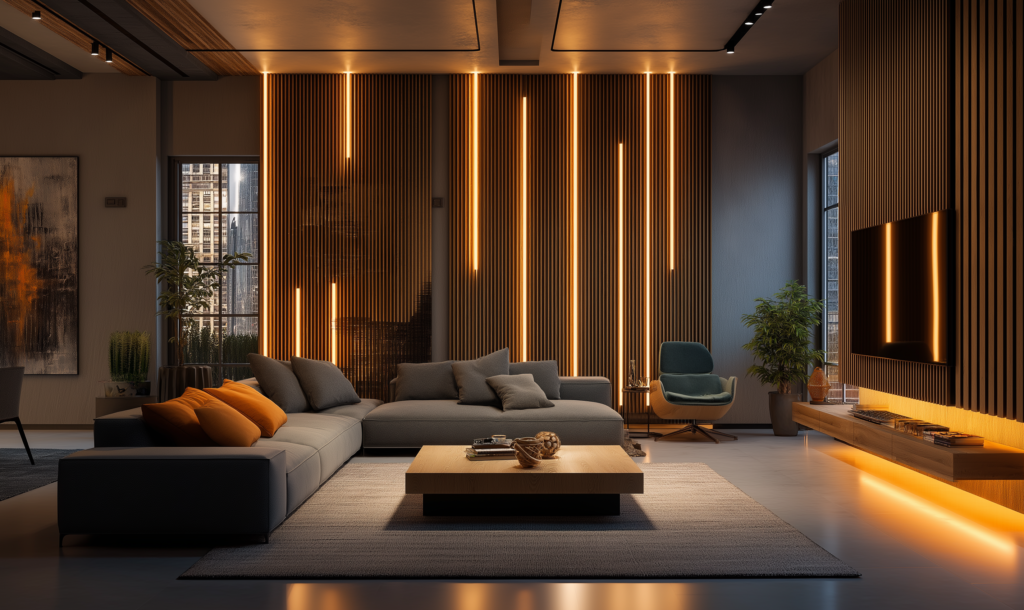
Real luxury today is no longer about owning another designer label. It’s about living in a home that quietly adapts to you—your daily rhythm, your mood, and the way your body naturally winds down and recharges.
Design like this focuses on long-term well-being, from better sleep to better eye comfort, rather than chasing short-lived visual impact. It’s subtle, thoughtful, and much harder to do well. Fortunately, lighting design is one area where we’ve built a lot of experience over the years.
Right now you’ve seen why. Let’s go on.
Top Home Lighting Trends in 2026
In 2026, home lighting trends are increasingly focused on wellness, with lighting becoming a key part of comfort, mood, and overall well-being.
In recent years, lifestyle changes—especially the rise of remote work and increased screen time—have made people more aware of their need for calm and restorative living spaces. Instead of highly stimulating environments, many homeowners now prefer interiors that feel peaceful and emotionally supportive.
As a result, lighting plays a central role in this shift. Softer, layered lighting is gradually replacing harsh overhead lights and overly bright interiors, creating spaces that feel more relaxed and balanced.
This has led to the growing popularity of wellness-focused lighting, a design approach that aims to support both physical comfort and mental well-being. Today, homeowners no longer see lighting as purely functional—it is an essential element of everyday health and quality of life.
A Quick Look at 2026 Home Lighting Design Trends
In 2026, home lighting trends are shifting toward wellness, flexibility, and emotional comfort. From human-centric lighting and layered designs to smart systems and indirect illumination, modern lighting is no longer just functional—it is becoming an essential part of how people experience their homes.
|
Lighting Trend |
Key Idea |
Why It Matters |
|
Human-Centric Lighting |
Lighting aligned with circadian rhythms |
Improved sleep and well-being |
|
Layered Lighting |
Ambient, task, accent lighting |
Creates balanced environments |
|
Smart Lighting |
App- or voice-controlled lighting |
Allows mood customization |
|
Warm Minimal Fixtures |
Simple warm materials |
Adds subtle luxury |
|
Hidden Lighting |
Indirect LED lighting |
Creates calm interior |
Human-Centric Lighting: A Wellness-Focused Approach
Human-centric lighting is a design approach that puts people at the center of lighting decisions. Instead of focusing only on brightness or aesthetics, it considers how light affects mood, energy levels, and sleep patterns. By mimicking natural daylight cycles, this type of lighting helps create healthier and more comfortable living environments.
At its core, this approach works by aligning indoor lighting with natural daylight patterns and the body’s natural circadian rhythm (the internal clock that regulates sleep and wake cycles). Instead of maintaining a constant brightness, lighting changes throughout the day to support how we naturally respond to light.
Studies have shown that exposure to cooler light during the day and warmer light in the evening can help regulate circadian rhythms and improve sleep quality.
In practice, this means adjusting lighting based on time of day:
Smart lighting systems that integrate with broader smart home ecosystems make this possible by automatically following natural daylight cycles. In the morning, cooler white light with a higher color temperature (around 5000K–6500K) helps increase energy and focus. As the day progresses, lighting gradually shifts to warmer tones. By evening, lower color temperatures (below 2700K) create a softer, more calming environment.
By aligning indoor lighting with the body’s natural rhythms, human-centric lighting can improve sleep quality and create a more comfortable living environment.
Beyond physical benefits, lighting also plays an important role in shaping the mood of a space. By adjusting brightness and color, the same room can transition from a focused “work mode” to a calm, relaxing atmosphere.
As smart lighting technology becomes more accessible, these systems are gradually moving from luxury homes to everyday residential designs.
Layered lighting: Creating Depth and Flexibility in Modern Homes
Layered lighting combines multiple light sources to create a balanced, functional, and visually appealing space. Instead of relying on a single overhead fixture, modern interiors use different types of lighting to support various activities and moods.
Most well-designed spaces today use three main layers of lighting:
Ambient lighting
The primary source of light in a room, providing overall illumination. This can include ceiling lights, recessed lighting, or large fixtures that evenly light up the space.
Task lighting
Focused lighting designed for specific activities such as cooking, reading, or working. Examples include under-cabinet lights, desk lamps, and pendant lights over kitchen islands.
Accent lighting
Decorative lighting is used to highlight architectural features, artwork, or design elements. It adds depth and visual interest to a space, often through wall lights, spotlights, or LED strips.
By combining these layers, homeowners can easily adjust lighting based on the time of day or the desired atmosphere. This approach reduces harsh shadows and creates a more comfortable, inviting, and flexible living environment.
Smart Mood Lighting Systems
In 2026, smart lighting will become an essential part of modern home design, turning it from a simple utility into an interactive experience. Instead of relying on basic on-and-off switches, many homeowners now use apps, voice assistants, or automated schedules to control their lighting.
Smart lighting allows users to create customized lighting scenes, such as
These scenes allow lighting to adapt to different activities and moods throughout the day, making it a more active and responsive part of daily life.
As smart home technology continues to evolve, lighting systems are becoming more intuitive and better integrated with broader home ecosystems.
Warm Minimalist Fixtures
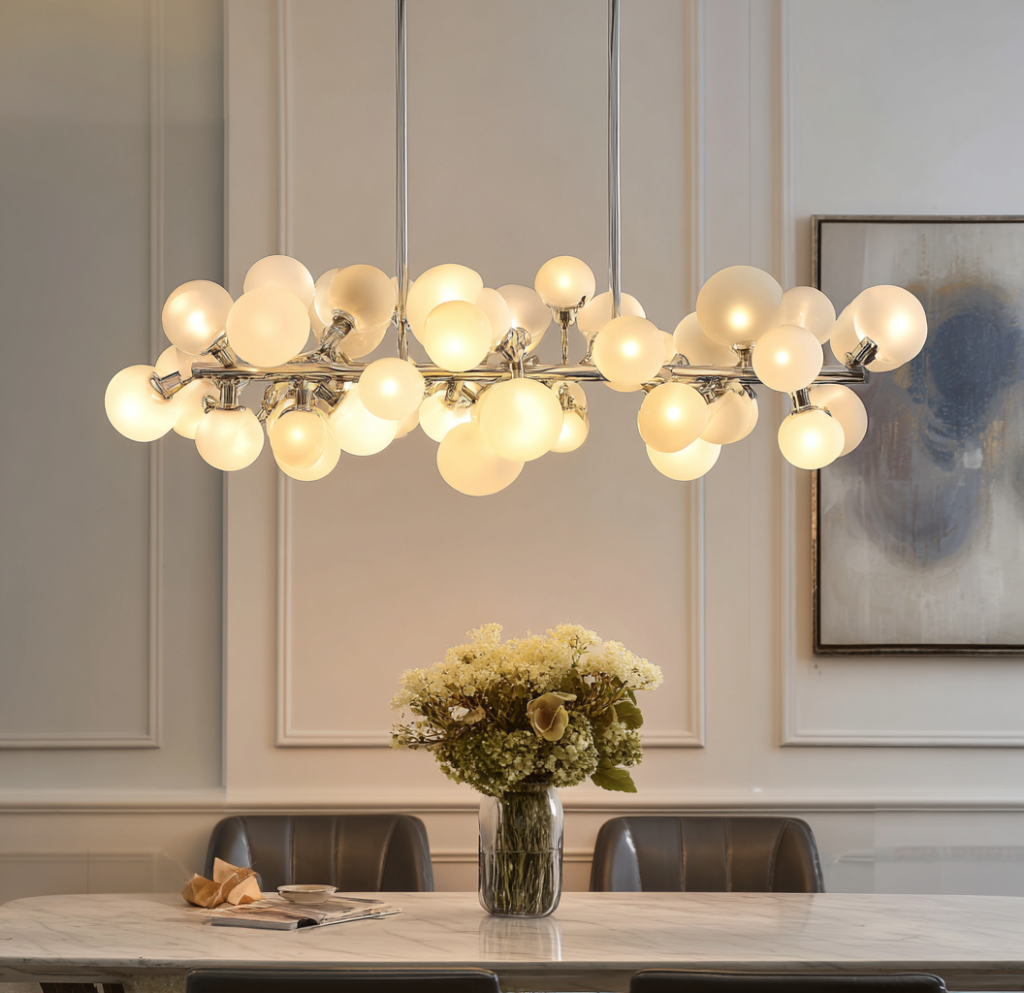
Alongside advances in smart technology, lighting fixtures are also becoming more refined and minimal. Many designers are moving away from overly decorative designs and embracing a warmer, more understated aesthetic—one that feels sculptural and elegant without dominating the space.
At Parlun Building, we’ve seen growing demand for materials that add subtle texture and warmth, including:
These materials help soften the quality of light and add depth to a space. Thin marble veneers, hand-blown glass, and even textile-inspired forms—sometimes seen in “napkin lamp” designs—create a warm, diffused glow that feels calm and enveloping.
Fixtures with visible craftsmanship and slight asymmetry also attract many of our clients. These details introduce a sense of character and individuality, turning lighting into more than just a functional element. In a world of mass-produced products, this human touch has become a form of quiet luxury—reflecting a broader desire for materials that feel real and tactile.
The result is lighting that adds warmth and texture while maintaining a clean, modern aesthetic—complementing the interior rather than competing with it.
Hidden and Indirect Lighting
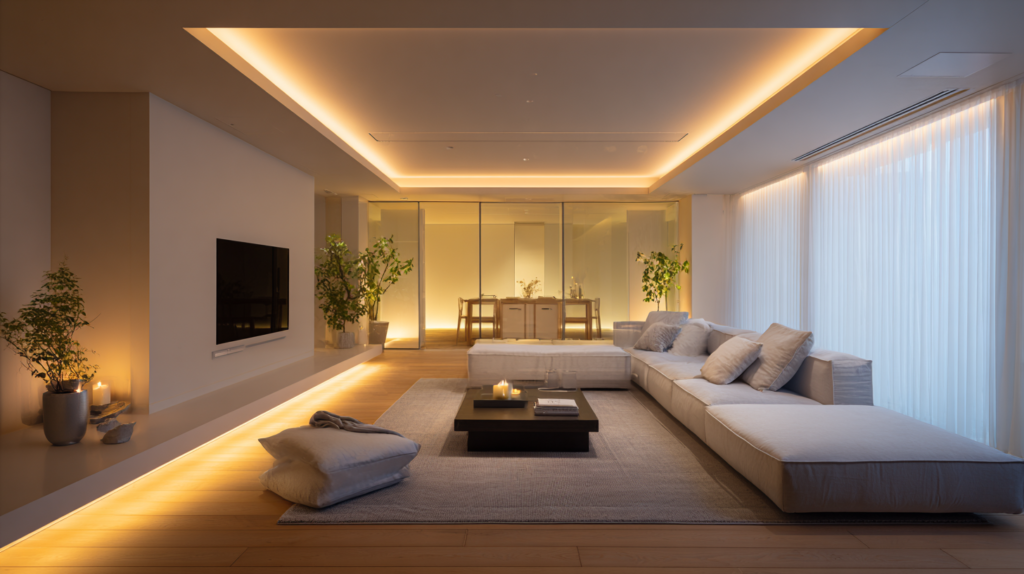
Hidden and indirect lighting is becoming a defining feature of modern interiors, focusing on soft illumination without visible fixtures. Instead of exposing the light source, lighting is integrated into walls, ceilings, toe kicks, and cabinet back panels—creating a gentle, diffused glow that feels natural and is easy on the eyes.
By concealing the source of light, designers can create a softer and more seamless visual experience, shifting attention away from the fixture itself and toward the atmosphere of the space. This approach reduces the harshness of direct lighting and helps create a more relaxed environment.
Common types of hidden and indirect lighting include:
Because the light is diffused across surfaces rather than directed outward, spaces feel calmer, more balanced, and visually comfortable.
This style of lighting aligns closely with the broader shift toward wellness-focused interiors, where comfort and emotional well-being are central to design decisions.
Expert Lighting Design Tips for a Healthier, Wellness-Focused Home
Lighting design can make a big difference for homeowners who want to create a more comfy and emotionally supportive home environment.
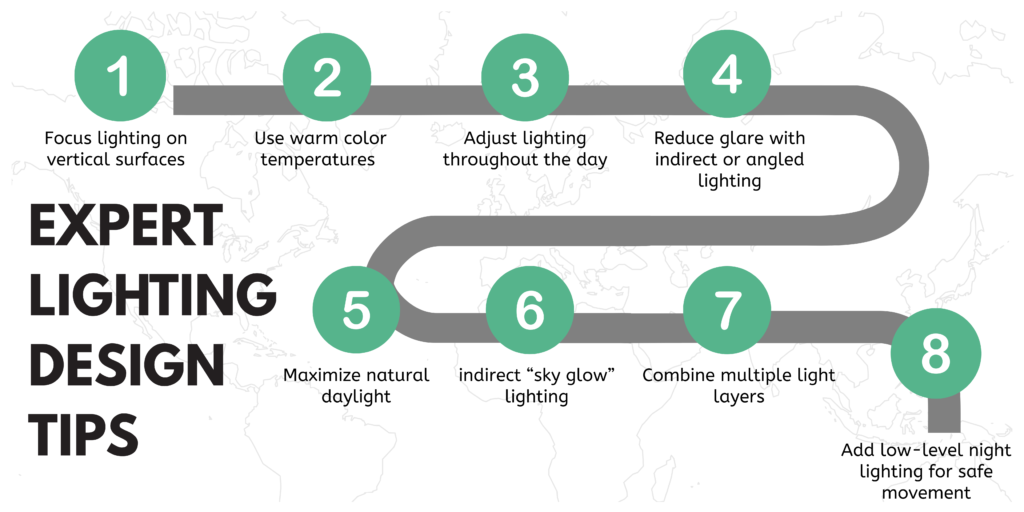
Quick Tips for Wellness Lighting
1. Focus on vertical surface lighting
What we perceive as brightness in a room actually comes more from vertical surfaces like walls and cabinet fronts than from the floor.
For custom cabinetry, we often recommend installing vertical LED strips inside glass display cabinets or along the sides of open shelves. This subtle “wall-washing” effect helps remove dark corners and makes the whole space feel more open and comfortable.1111111111111111111111111111111111111111111111111111111111111
2. Use warm color temperatures
For homes, warm lighting between 2700K and 3000K tends to feel more relaxing and comfortable, as cooler color temperatures often feel too harsh or clinical for residential spaces.
3. Automated circadian lighting
Warm light alone isn’t enough. What really matters is how the color temperature changes throughout the day. Dimmers allow lighting intensity to be adjusted based on these factors.
And smart drivers with CCT (Color Temperature Tuning) allow lighting to shift naturally with daily rhythms.
4. Reducing visual stress with anti-glare design
Even warm light can feel uncomfortable if it shines directly into your eyes.
A simple solution is to install LED strips under wall cabinets using 45° aluminum profiles. This angles the light toward the wall rather than directly onto the countertop.
For spotlights, deeper baffles are also recommended. This creates the classic “see the light, not the source” effect, which feels much calmer and easier on the eyes.
5. Make use of natural light
Natural light should be included in the lighting design whenever possible because it helps with both mood and productivity.
6. Recreating natural indirect light
In nature, light rarely shines directly. In a forest, for example, sunlight is scattered and softened by the canopy.
Installing LED strips above cabinets can create a similar effect. Leaving a 10–20 cm gap between the cabinet top and the ceiling allows light to bounce off the ceiling and diffuse back into the room.
This indirect “sky glow” effect creates one of the most relaxing lighting atmospheres.
7. Combine multiple light sources
As we’ve mentioned above, using multiple types of lighting in layers can achieve a more balanced and adaptable space.
8. Low-level night navigation lighting
Turning on a bright ceiling light in the middle of the night can instantly disrupt your sleep cycle.
Instead, motion-sensor LED strips can be installed along bathroom vanity toe kicks or hallway baseboards. Set to activate only at night and kept at around 10% brightness, this soft floor-level glow helps guide movement safely without fully waking the body.
Sometimes the smallest light makes the biggest difference.
The Future of Home Lighting Design
As smart technology and wellness-focused design continue to evolve, home lighting is becoming more adaptive, responsive, and closely aligned with human needs. Rather than simply illuminating a space, lighting is increasingly designed to support how people live, work, and unwind throughout the day.
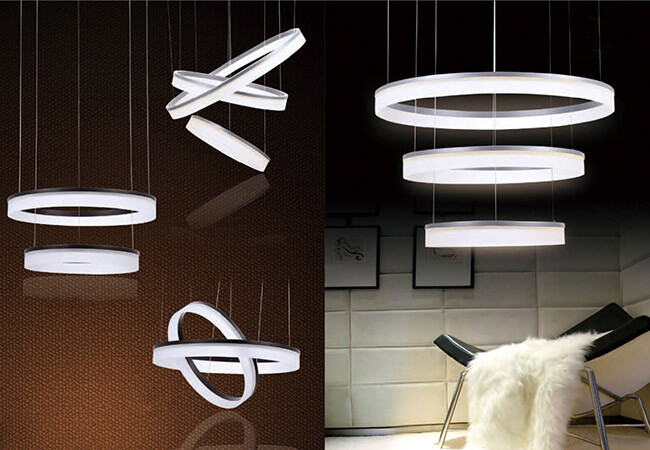
Looking ahead, innovation in lighting is moving beyond brightness and color temperature. Designers are beginning to explore more dynamic and nature-inspired effects—using light to recreate the subtle patterns found in the natural world.
For example, some lighting systems now produce soft, dappled shadows similar to sunlight filtering through leaves, while others create gentle reflections that resemble light on water. These organic, ever-changing patterns introduce a sense of movement and calm into interior spaces.
Research suggests that nature-inspired lighting patterns can help reduce cortisol levels, the hormone associated with stress.
In this way, lighting is no longer just a design feature—it is becoming a powerful tool for shaping how a home feels on a deeper, more emotional level.
To Wrap Up
Home lighting for wellness is not just about adding more light—it’s about shaping how light feels. By carefully balancing brightness, shadow, and color, modern lighting design can create spaces that are calmer, more comfortable, and more in tune with everyday living.
If you’d like to explore how wellness-focused lighting can be applied in your own home, the team at Parlun Building is always here to help.