Importing building materials from China has become a practical option for many homeowners and project planners. Lower costs, flexible customization, and a wide product range make it especially appealing for kitchens, windows, flooring, and full interior solutions.
Still, the process can feel unclear at first. Finding reliable suppliers, understanding pricing, and managing shipping or customs are often the biggest concerns.
Once you clearly lay out these steps, everything begins to make sense. With the right plan, importing becomes far more manageable—and often, significantly more cost-effective.
Here are the key points of this guide for you:
Types of Building Materials to Import from China
China’s manufacturing ecosystem covers a wide range of building materials, but not every category offers the same advantage when it comes to importing. In practice, buyers tend to focus on products that combine customization, cost efficiency, and scalable production.
The following are some of the most commonly imported building materials and why they stand out.
Cabinets
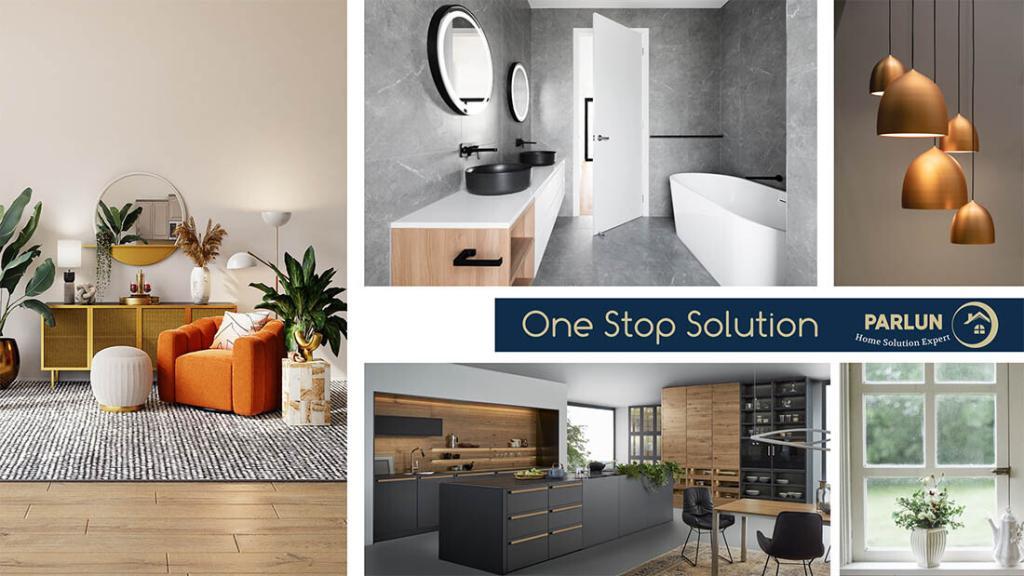
For many homeowners, importing kitchen-related materials from China such as cabinets and fittings has become a practical option for achieving both customization and cost control.
Cabinets are among the most frequently imported building materials, covering kitchens, bathrooms, wardrobes, and other built-in storage throughout a home.
One reason they stand out is flexibility. Dimensions, internal layouts, finishes, and hardware can all be adjusted to fit the exact space rather than adapting to standard sizes. This makes them especially suitable for projects with specific design requirements or limited space.
Another factor is cost efficiency at scale. When ordered as part of a full-house package or multi-room project, cabinets are often produced in batches with consistent materials and finishes. This helps maintain design continuity while keeping overall costs under control.
Simply put, in many projects, Chinese imported kitchen cabinets are chosen for their balance of customization and cost efficiency, especially when compared with standard local options.
Compared with buying locally, importing kitchen cabinets from China often gives access to various materials and finish options, including combinations that are harder to source through standard retail channels.
Notes for importing cabinets:
Doors
Doors are frequently included in import orders, especially when a project involves multiple rooms or a full property fit-out.
Interior and entrance doors can be produced in matching styles, finishes, and dimensions, which helps create a more cohesive look throughout the space. Options typically include solid wood, engineered wood, MDF-based constructions, and fiberglass, depending on performance needs and budget.
For projects that require non-standard sizes, taller door heights, or specific surface finishes, working directly with manufacturers from China allows more budget control over both design and production.
When doors are sourced together with other elements such as cabinets or wall systems from China, coordination becomes simpler, reducing the risk of mismatched materials or inconsistent detailing.
Notes for you to import doors:
Windows
Windows and are frequently sourced from China for both residential and commercial projects.
Windows from Chinese manufacturers support various frame materials, including aluminum, uPVC, and wood-clad systems. Not only that, you can choose from different opening styles, glazing options, and performance specifications depending on climate and building requirements.
This category is especially relevant for projects that need non-standard sizes or a unified design across the façade.
Notes for buying windows from China:
Flooring Materials
Flooring is another category where importing can make financial sense, particularly for large areas.
Common options include engineered wood flooring, laminate, vinyl (SPC/LVP), and tiles. Each option comes with different durability levels and installation methods, making it easier to match the material to the project’s budget and usage.
Bulk production also helps reduce unit costs, especially when ordering for multiple rooms or properties.
Notes:
Tiles
Tiles are a common choice for both wall and floor applications, especially in kitchens, bathrooms, and high-traffic areas.
One of the main advantages is design variety. Porcelain and ceramic tiles are available in a wide range of sizes, textures, and surface finishes—from stone and marble looks to more minimal, modern styles. This makes it easier to match different interior concepts without being limited to a small local selection.
Consistency is another reason buyers choose to import tiles. For projects that require large quantities, maintaining the same color tone, pattern, and batch quality across different spaces becomes much more manageable when sourcing from a single supplier.
Besides, cost efficiency also becomes more noticeable at scale. When ordered in bulk, tiles often offer a strong balance between durability and price, especially for full-home or multi-unit projects.
Notes may help:
Bathroom Products
Bathroom products such as vanities, shower enclosures, bathtubs, and sanitary ware are widely available for export.
Many suppliers offer complete sets rather than individual items, which helps simplify procurement and ensures a consistent look throughout the space. Finishes, colors, and configurations can usually be adjusted without major cost increases.
Notes for buying bathroom products:
Custom Furniture and Interior Elements
Many buyers also import custom furniture and interior elements to complete the space. This may include wardrobes, built-in storage, wall panels, and coordinated furniture pieces. Working with a single manufacturer or system supplier can help align materials, finishes, and overall design across the project.
Notes:
Why These Materials Are Commonly Imported
Not all building materials benefit equally from international sourcing. The categories above tend to stand out for a few practical reasons:
For buyers planning a renovation or new build, focusing on these categories often delivers the best balance between cost, flexibility, and overall project control.
Finding Reliable Manufacturers from China
China has a long-established export infrastructure for construction materials, supported by both large state-owned enterprises such as China National Building Materials & Equipment Import & Export Corporation and a wide network of specialized manufacturers.
Finding the right manufacturer is less about choosing the lowest price and more about finding a supplier that can deliver consistent results. Many options may look similar at first, but the differences become clear once you start asking the right questions.
There are several ways to approach this. Online platforms such as Alibaba or Made-in-China are often the starting point, especially for first-time buyers. They provide access to countless suppliers, but listings alone rarely tell the full story.
Working directly with manufacturers from China, when possible, tends to offer better control over customization and production. This matters more in projects with multiple categories, as materials and finishes need to stay consistent.
At the same time, sourcing agents or procurement partners can help bridge the gap for buyers who are not familiar with the local market in China. They often assist with communication, supplier screening, and basic quality checks.
That said, instead of relying on a single channel, it helps to explore different sourcing paths, including the following:
It is usually more effective to compare a few suppliers across different sources. What matters is not just where you find them, but their responsiveness, clarity in communication, and confidence in their production capabilities.
Questions to Ask Before You Decide
Before placing any order with a Chinese manufacturer, it is worth clarifying a few key details:
Supplier Verification Process
Shortlisting a few suppliers is only the first step. Before moving forward, review whether the manufacturer can deliver as promised. Small details at this stage often determine whether the project runs smoothly later.
Verify Company Credentials
Start with the basics. A legitimate company should be able to provide clear documentation about its registration and operations. This usually includes:
These documents do not guarantee quality, but they help confirm that the supplier is operating as a real business rather than an intermediary with limited control over production.
Confirm Factory Capabilities
Once the company background is clear, the next step is to assess their production capabilities. Instead of relying on product listings alone, look for signs of real production capacity:
This step helps distinguish between trading companies and manufacturers, especially when direct production control matters for your project.
Review Product Samples
Typically, a responsible manufacturer offers a sample delivery service, regardless of your location.
Samples often reveal details missed in photos or specifications. Pay attention to material quality, finishing details, and overall consistency. Even small differences in color, edge treatment, or assembly can become more noticeable across an entire project.
Assess Communication
Communication at this stage often reflects later project management. Clear answers, consistent follow-ups, and a willingness to explain details often indicate a more reliable working relationship. On the other hand, vague responses or delayed replies may lead to misunderstandings once production begins.
Consider Third-Party Inspection
For larger orders, an independent inspection can add an extra layer of confidence before shipment. This includes in-production checks and a final pre-shipment inspection to confirm specifications.
MOQ and Pricing
When importing building materials from China, pricing is rarely just about the unit cost. MOQ, customization level, and production setup all influence the final price.
Understanding how these factors work together helps avoid unrealistic expectations and makes supplier comparisons more meaningful.

What Is MOQ and Why It Matters
MOQ refers to the minimum quantity a supplier is willing to produce for a single order. It is not always a fixed number, and it often depends on the product type, materials, and level of customization.
Take us, for instance; we have no MOQ. This is because we believe we have the capability to handle orders of any size—whether it is a single unit or a large-volume shipment.
For standard items, MOQs tend to be lower since production can be shared across multiple orders. Custom products, especially those with specific sizes, finishes, or hardware, usually require higher quantities to make production efficient.
However, in building materials, MOQ is closely tied to production setup. Many products are manufactured in batches, so smaller orders may lead to higher unit costs or limited options.
How MOQ Affects Pricing
MOQ and pricing are directly connected, but not always in an obvious way.
Rather than focusing only on the lowest unit price, it is often more useful to look at the total project cost.
Typical Price Ranges for Common Materials
Pricing varies across categories, but having a rough range helps set expectations:
| Category | Typical Price Range (USD) |
| Kitchen cabinets | $100 – $500 per linear foot |
| Windows | $150 – $800 per unit |
| Doors | $100 – $600 per unit |
| Flooring | $2 – $15 per sq ft |
| Tiles | $5 – $50 per sq meter |
Note: Prices vary based on materials, specifications, and order quantity.
Hidden Costs to Consider
The quoted price from a supplier is only part of the total cost.
Additional expenses may include:
Being aware of these factors early helps avoid budget gaps later in the project.
How to Get Better Pricing
Better pricing is not only about negotiation. It often comes down to order structure.
For projects that involve multiple product categories, sourcing from a manufacturer with full-house capabilities can also simplify coordination and improve overall cost efficiency.
Quality Control and Inspection
Quality is one of the main concerns, especially when production happens overseas. Differences in materials, finishing, or dimensions may not be obvious at first, but they can affect installation and long-term performance.
A structured approach to quality control helps reduce these risks and keeps the project on track.

Quality Control Starts Before Production
Quality control does not begin at the factory floor. It starts with clear specifications.
Drawings, material selections, finishes, and hardware details should be confirmed in advance. The more precise the documentation, the fewer assumptions are made during production.
Misunderstandings at this stage often lead to rework later, particularly with custom products such as cabinets, windows, and doors.
In-Production Quality Checks
During production, regular checks help ensure that materials and processes follow the agreed specifications.
This may include:
Catching issues early is usually more efficient than fixing them after production is complete.
Pre-Shipment Inspection
Before shipment, a final inspection provides a last opportunity to confirm that the order meets expectations.
This stage typically focuses on:
For larger orders, third-party inspection services are often used to provide an independent review.
Common Quality Issues to Watch
Some issues are more common than others, especially in custom or large-volume orders:
Being aware of these risks makes it easier to identify problems early.
How to Reduce Quality Risks
Reducing risk is less about reacting to problems and more about setting up the right process from the beginning.
For multi-category projects, working with a supplier able to coordinate materials and production standards helps maintain consistency.
Shipping Methods
Shipping is often one of the largest cost components when buying building materials from China. The right method depends on shipment size, timeline, and budget rather than a single “best” option.
Understanding the differences between sea freight and air freight—and when to use LCL or FCL—helps avoid unnecessary costs and delays.
Sea Freight vs Air Freight
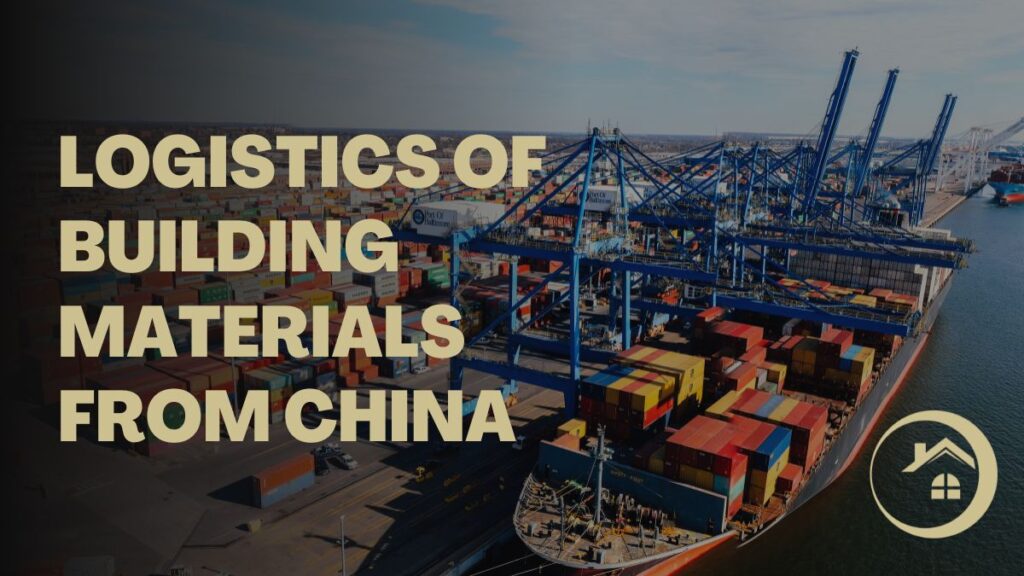
For most building materials, sea freight is the standard option due to cost efficiency.
Sea freight works well for heavy or bulky items such as cabinets, tiles, and flooring. Transit times are longer, but the cost per unit is significantly lower, especially for large shipments.
Air freight is usually reserved for smaller, high-value, or time-sensitive items. It offers much faster delivery but comes with a much higher cost, which makes it less practical for most construction-related materials.
In many cases, buyers use a combination of both—shipping bulk items by sea while sending urgent components by air.
LCL vs FCL
When shipping building materials from China by sea, the next decision is whether to use LCL or FCL.
LCL (Less than Container Load)
Used when the shipment does not fill an entire container. Goods are consolidated with other shipments.
FCL (Full Container Load)
A full container is used for a single shipment, even if it is not filled.
When to Use LCL
LCL is often chosen for smaller orders or mixed shipments.
However, since goods are handled multiple times during consolidation and deconsolidation, there is a higher risk of minor damage or delays.
When to Use FCL
FCL becomes more practical as shipment volume increases.
For full-house projects or bulk material orders, FCL is usually the more efficient option.
Factors That Affect Shipping Costs
Shipping costs are influenced by several factors beyond the method itself:
Planning shipments early and aligning production timelines can help optimize these costs.
Practical Tips
Choosing the right shipping method often comes down to balancing cost and timeline.
For projects that involve multiple product categories, consolidating shipments with a single supplier can also simplify logistics and reduce handling risks.
Import Taxes and Duties
Import taxes and duties are a key part of the total cost when bringing building materials from China. These charges vary by country, product type, and declared value, which means the final amount is not always obvious at the quoting stage.
Understanding the costs structure helps avoid surprises and improve budgeting accuracy.
What Types of Import Costs Are Involved
Importing building materials typically involves more than one type of charge.
Each of these may be calculated differently, but together they form a significant portion of the landed cost.
How Duties Are Calculated
Import duties are usually calculated based on the product’s classification and declared value.
The key factors include:
Even small differences in classification can lead to different duty rates, so accuracy at this stage matters.
Why Estimates Can Vary
Import costs are often estimated during the quoting stage, but the final amount may differ.
This can happen due to:
Planning with a buffer helps reduce the impact of these variations.
How to Manage Import Costs More Effectively
Better planning can help manage taxes and duties, even though they are unavoidable.
For larger projects, having a clear breakdown of all import-related costs early on makes supplier comparisons more realistic.
Common Mistakes to Avoid
Some of the most common issues come from incomplete cost planning.
These gaps often lead to budget overruns once the goods arrive.
Required Import Documents
Importing building materials involves more than production and shipping. Documentation plays a central role in customs clearance, cargo release, and overall logistics coordination.
Even when working with a freight forwarder or supplier, understanding the key documents helps avoid delays and ensures everything moves smoothly at the destination.
Bill of Lading (B/L)
The bill of lading is the primary shipping document issued by the carrier. It serves as a receipt for the goods, a transport contract, and, in many cases, proof of ownership.
It typically includes:
Any mismatch between the bill of lading and other documents can delay cargo release, so accuracy is critical.
Commercial Invoice
The commercial invoice outlines the transaction between the buyer and the supplier. It is one of the main documents used by customs authorities to assess duties and taxes.
Key information usually includes:
Clear and consistent descriptions help avoid issues with product classification and valuation during customs clearance.
Packing List
The packing list provides a detailed breakdown of packing and shipping.
It often covers:
This document is especially useful for logistics handling and inspection, particularly for large or mixed shipments.
Practical Tips for Handling Import Documents
A few simple steps can make documentation much easier to manage:
For projects involving multiple product categories, clear documentation becomes even more important to keep everything organized during shipping and arrival.
Import Risks and How to Avoid Them
Sourcing building materials from China offers clear advantages, but it also comes with risks that often appear later—during production, shipping, or installation.
However, we believe that identifying and managing most of these issues early with a clear process is feasible.

Common Import Risks and How to Avoid Them
Several risks tend to come up repeatedly in building material imports. As we’ve mentioned above, identifying these risks and addressing them early can prevent delays, extra costs, and rework.
Differences in materials, finishes, or dimensions may only become visible during installation.
→Confirm specifications in detail, request samples, and arrange inspections before shipment
Gaps in drawings, specifications, or assumptions can lead to mismatched results.
→ Use clear documentation, keep communication consistent, and confirm key details early
Damage or delays can occur due to handling, packaging, or logistics disruptions.
→Ensure proper packaging, choose suitable shipping methods, and allow buffer time
Final costs may increase due to shipping changes, duties, or additional fees.
→Review full cost breakdowns, include all import-related expenses, and plan for contingencies
Delays or inconsistencies can affect both timeline and product quality.
→ Verify suppliers, start with manageable orders, and maintain regular follow-up
A Practical Way to Reduce Risk
Rather than treating these risks separately, it is more effective to manage them as part of a single process—from clear specifications and communication to inspection and delivery.
For projects involving multiple product categories, coordinated sourcing can also help reduce inconsistencies and simplify overall management.
Cost Breakdown
When importing building materials from China, the total cost goes beyond the product price. What matters more is the landed cost—the full amount paid to get the goods delivered and ready for use.
Understanding how each cost builds up makes it easier to compare suppliers and plan a realistic budget.
Main Cost Components
The total cost typically includes several core elements:
Product cost
The base price of materials, shaped by quantity, specifications, and customization
Shipping and freight
Sea or air transport, depending on shipment size and timeline
Import duties and taxes
Tariffs and taxes applied at the destination country
Other costs such as packaging, customs clearance, and local delivery are usually added along the way and should be factored into the overall budget.
How These Costs Add Up
Costs do not appear all at once—they build up across different stages.
Product pricing is set during sourcing, shipping is arranged after production, and import duties are applied during customs clearance. Once the goods arrive, local handling and delivery costs are added before final installation.
Looking at the process step by step helps avoid gaps in budgeting.
Example Cost Structure
A simplified breakdown for a typical project might look like this:
| Cost Component | Typical Share | When It Applies | Can It Be Optimized? |
| Product cost | 50% – 70% | At order confirmation | Yes (volume, specs, supplier) |
| Shipping | 10% – 25% | After production | Yes (FCL/LCL, timing) |
| Duties & taxes | 5% – 20% | During customs clearance | Partially (classification, planning) |
| Local fees & delivery | 5% – 10% | After arrival | Limited |
Note: Actual proportions vary depending on project size, destination, and product type.
Where Costs Can Increase
Some increases are not obvious during the quoting stage. Lower unit prices may be offset by higher shipping costs, duties can change based on classification, and inefficient shipment planning can raise logistics expenses.
How to Optimize Total Cost
Lowering cost is less about pushing prices down and more about structuring the order effectively.
For larger projects, coordinating multiple product categories with one supplier can also reduce duplication and keep costs more predictable.
Example Project: Importing Materials for a Residential Renovation
To illustrate the process, consider a typical residential renovation project sourcing multiple building materials from China.
In this case, our client chose to import a full set of materials, including kitchen cabinets, windows, interior doors, and flooring. Instead of sourcing each category separately, everything was coordinated through us to keep the design consistent and simplify logistics.
Project Snapshot
Start with the basics. A legitimate company should be able to provide clear documentation about its registration and operations. This usually includes:
The overall cost followed a common pattern, with most of the budget allocated to the product itself, while shipping and import-related costs made up a smaller share. Consolidating all items into one shipment helped reduce logistics costs and improve efficiency.
Several decisions matter in keeping the project on track. Finishes were standardized across different materials, production was coordinated as a single batch, and inspections were completed before shipment to reduce potential issues.
As a result, the project stayed within budget and achieved a consistent outcome across all spaces. More importantly, planning everything as a complete package helped avoid delays and simplified the process from production to installation.

In Summary
Importing is less about chasing the lowest price and more about managing the process well. When done right, it offers flexibility and cost control that local sourcing rarely matches. At Parlun Building, we’d love to help you with it. Contact anytime.