If you’re planning a kitchen renovation in 2026, choosing the right kitchen cabinets is one of the most important decisions you’ll make. Cabinets affect storage, functionality, and overall kitchen aesthetics.
Here are the key points:
This guide explains everything you need to know about kitchen cabinets—from styles and materials to pricing and installation.
Introduction to Kitchen Cabinets
Kitchen cabinets are built-in storage units installed in kitchens to store cookware, utensils, food, and appliances. However, they are much more than simple storage solutions.
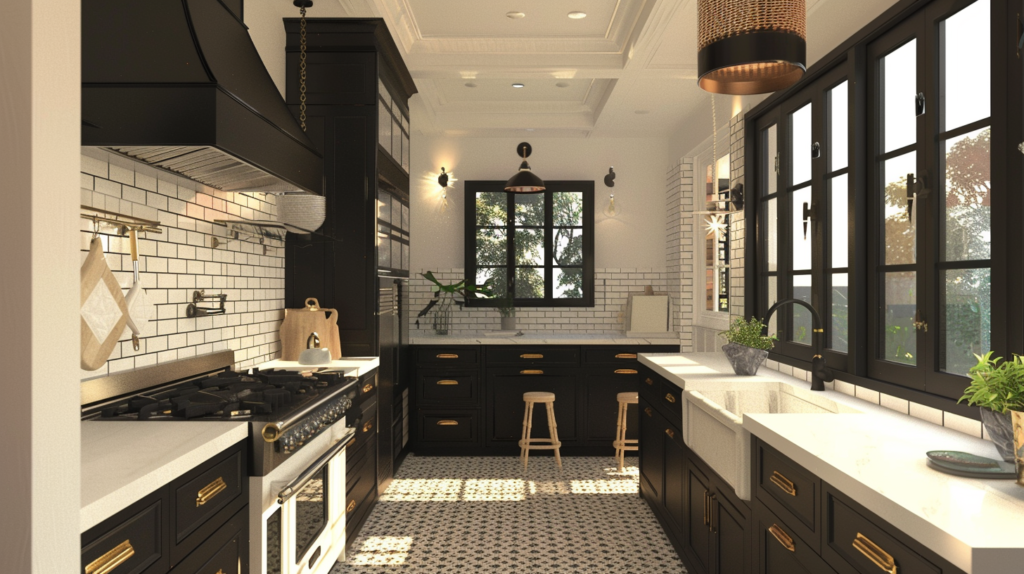
In modern kitchen design, cabinets play a critical role in
Whether you’re renovating a home or designing a new kitchen, selecting the right cabinets can significantly impact both usability and aesthetics.
For many homeowners, custom cabinet solutions are increasingly popular because they allow greater flexibility in design, materials, and storage options. Many global buyers now work directly with manufacturers such as Parlun Building, which provides customized cabinetry and other interior building solutions at competitive prices.
Types of Kitchen Cabinets
Understanding different cabinet types helps you plan a functional kitchen layout. Each type of cabinet serves a specific purpose and is designed for different storage needs.
In most kitchens, cabinets are divided into several main categories based on their position and function. These include base cabinets, wall cabinets, tall cabinets, and corner cabinets. Together, they create a complete storage system that keeps kitchen tools, cookware, and ingredients organized.
By combining different cabinet types, homeowners can maximize available space, improve workflow in the kitchen, and create a layout that fits their cooking habits and lifestyle. We specialize in custom-tailoring kitchen cabinets to perfectly fit the layout of your space. So, please feel free to reach out to us if you have any questions.
Base Cabinets
Base cabinets are installed directly on the floor and support the countertop.
Common features include:
Standard height: 34.5 inches
Base cabinets form the foundation of most kitchen layouts.
Wall Cabinets
Wall cabinets are mounted on the wall above countertops.
They are ideal for storing:
Standard depth: 12 inches
Wall cabinets help maximize vertical storage space.
Tall Cabinets
Tall cabinets (also called pantry cabinets) extend from floor to near ceiling.
Typical uses include:
They are especially useful in kitchens that require extra storage.
Corner Cabinets
Corner cabinets are designed to use otherwise wasted corner space.
Common designs include:
These solutions help maximize storage efficiency in compact kitchens.
Kitchen Cabinet Styles
It is one of the most important factors in defining the overall look and atmosphere of a kitchen. The style of cabinet doors, frames, and finishes can dramatically influence whether a kitchen feels modern, traditional, minimalist, or luxurious.
Today, homeowners have a wide variety of cabinet styles to choose from. Some designs focus on timeless simplicity, while others highlight decorative details or sleek modern aesthetics. The right cabinet style should match the kitchen design theme and complement other elements such as countertops, backsplashes, and appliances.
Below are some of the most popular kitchen cabinet styles used in modern homes.
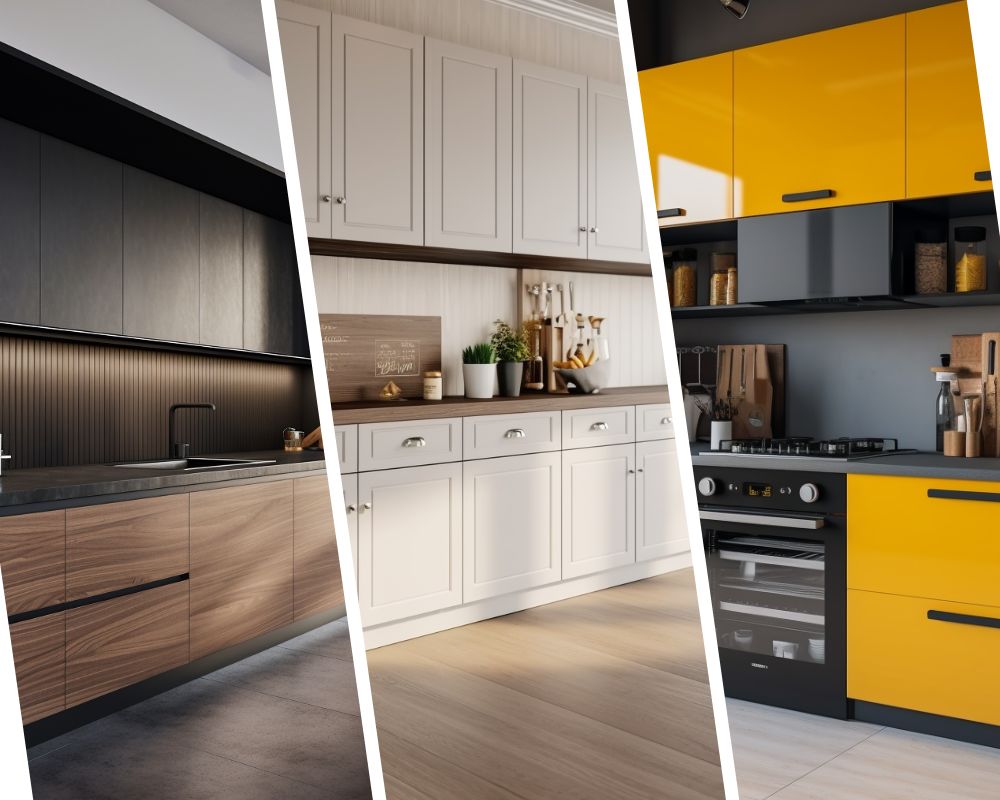
Shaker Cabinets
Shaker Cabinets are one of the most popular cabinet styles. They go well with kitchen cabinets transitional style.
Characteristics:
They work well in both modern and traditional kitchens.
Flat Panel Cabinets
Flat panel cabinets feature smooth, minimalist surfaces.
Advantages include:
They are often used in contemporary or Scandinavian-style kitchens.
Raised Panel Cabinets
Raised panel cabinets feature a center panel that is elevated above the frame.
This style is common in traditional and classic kitchens.
Glass Front Cabinets
Glass-front cabinets incorporate transparent or frosted glass panels.
Benefits include:
They are often used for showcasing decorative dishes.
Modern Slab Cabinets
Slab cabinets are completely flat without frames or decorative elements.
They are commonly paired with:
This style is popular in modern and minimalist kitchens.
To make it easier to compare the most popular kitchen cabinet styles, the table below summarizes their key features and ideal design applications.
|
Cabinet Style |
Design Features |
Best For |
Popularity |
|
Shaker Cabinets |
Simple frame with recessed panel |
Traditional, farmhouse, transitional kitchens |
Very popular |
|
Flat Panel Cabinets |
Minimal decoration, smooth panel |
Modern and contemporary kitchens |
Popular |
|
Raised Panel Cabinets |
Decorative raised center panel |
Traditional and classic kitchens |
Moderate |
|
Glass Front Cabinets |
Glass panels in cabinet doors |
Display cabinets and elegant kitchens |
Accent use |
|
Slab Cabinets |
Completely flat door surface |
Modern, minimalist kitchens |
Growing trend |
(Cabinet Style Comparison Chart)
The very hot one: shaker kitchen cabinets
Many of our clients love Shaker cabinets—especially this year’s new favorite, the “Modern Slim Shaker Cabinets.” Also sometimes referred to as Micro Shakers or Skinny Shakers, they reduce the frame width from the traditional 2.5–3 inches to 0.5–1 inch (about 1.2–2.5 cm).
It possesses a greater sense of 3D and refinement than standard flat-panel cabinetry, yet feels lighter and aligns more closely with the modern minimalist aesthetic than traditional Shaker styles.
This design emphasizes “Understated Luxury,” moving away from the pursuit of heavy ornamentation to instead define a sense of high-end sophistication through the delineation of ultra-fine lines.
We can say that they perfectly blend modern and classic aesthetics while remaining highly practical and timeless.
Kitchen Cabinet Materials
Cabinet materials directly influence durability, appearance, and cost. Different materials offer different advantages, which is why choosing the right one is an important step in kitchen design.
Some homeowners prefer natural materials like solid wood for their timeless look and strength, while others choose engineered materials such as MDF or plywood for their affordability and stability. In modern kitchens, materials like stainless steel or acrylic finishes are also becoming increasingly popular for their sleek and contemporary appearance.
Below are some of the most common materials used for kitchen cabinets.

Solid Wood
Solid wood cabinets are known for their durability and natural beauty.
Pros:
Cons:
MDF (Medium-Density Fiberboard)
MDF is an engineered wood product widely used for painted cabinets.
Advantages:
Plywood
Plywood cabinets are considered one of the strongest engineered wood options.
Benefits include:
Particleboard
Particleboard is the most economical cabinet material.
However, it is less durable and more susceptible to moisture damage.
Stainless Steel
Stainless steel cabinets are commonly used in professional kitchens.
Advantages:
To help you better understand the differences between common cabinet materials, the table below summarizes their key characteristics.
|
Material |
Durability |
Cost Level |
Appearance |
|
Solid Wood |
Very high |
High |
Natural wood grain |
|
MDF |
Moderate |
Medium |
Smooth painted finish |
|
Plywood |
High |
Medium–High |
Wood veneer surface |
|
Particleboard |
Low–Moderate |
Low |
Laminated or veneered |
|
Stainless Steel |
Very high |
High |
Modern industrial look |
(Kitchen Cabinet Materials Comparison)
Impact of material quality on kitchen cabinet lifespan
Material quality has a direct impact on how long kitchen cabinets last. High-quality materials such as solid wood and plywood are more durable and resistant to moisture, allowing cabinets to last 20–50 years or more with proper care. In contrast, lower-cost materials like particleboard tend to wear out faster and may be more susceptible to damage, resulting in a shorter lifespan.
What is the best material for kitchen cabinets
There is no single “best” material for all kitchens, but plywood and solid wood are often considered the most durable options. Plywood offers excellent structural strength and resistance to moisture, which makes it a common choice for cabinet boxes.
Solid wood cabinets are valued for their natural beauty and long lifespan, although they typically come at a higher cost. For homeowners looking for a balance between affordability and performance, MDF- and veneer-based cabinets can also provide reliable results when properly finished.
We believe that the ideal material often depends on budget, kitchen environment, and desired design style.
Kitchen Cabinet Finishes
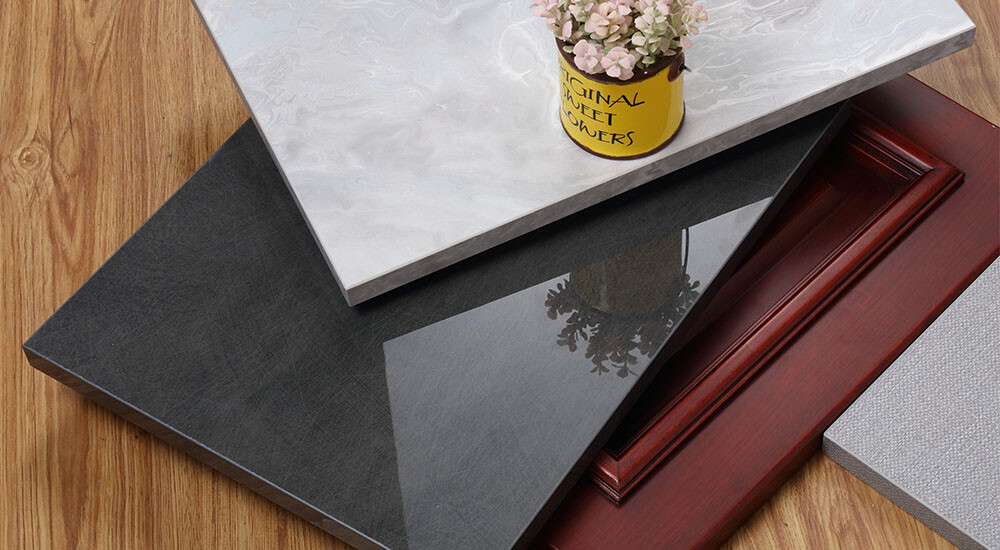
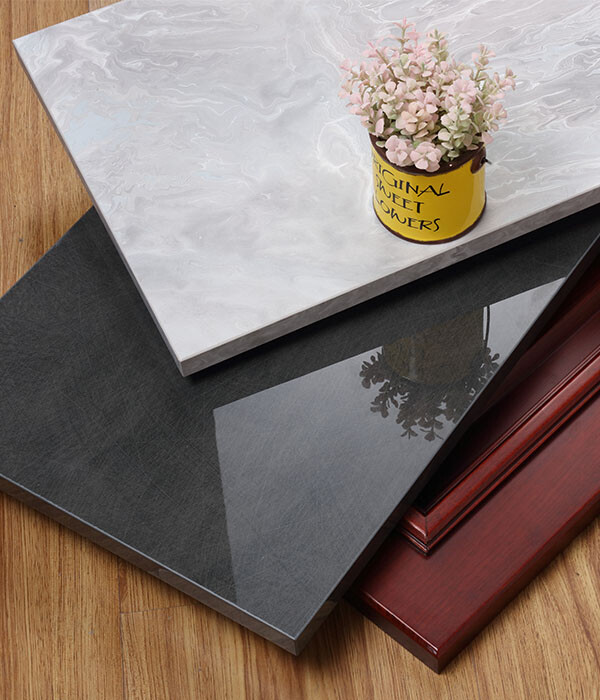
While cabinet materials determine the structure and durability of the cabinets, the finish is what gives them their final look. The finish affects the cabinet’s color, texture, maintenance requirements, and overall visual impact in the kitchen.
Different finishes can dramatically change the appearance of the same cabinet style. For example, a Shaker cabinet door can look traditional with a natural wood stain or modern when painted in matte white or finished with high-gloss acrylic.
Choosing the right cabinet finish helps you achieve the desired kitchen style while also protecting the cabinet surface from moisture, scratches, and daily wear.
Several finishing options are commonly used in kitchen cabinets today, each offering a different balance of durability, appearance, and cost.
Painted Cabinets
They offer a smooth, colorful finish suitable for many styles. Painted finishes are one of the most popular choices for kitchen cabinets.
For instance, they work particularly well with styles like Shaker cabinets or flat-panel cabinets, making them a versatile option for both traditional and modern kitchens.
Common colors include white, gray, navy blue, and soft neutral tones.
Laminated Cabinets
Laminate finishes are created by bonding a thin decorative layer to a cabinet surface. This finish is known for being durable, scratch-resistant, and easy to clean.
Laminate cabinets are often used in modern kitchens because they are available in many textures, colors, and patterns, including wood-look designs.
They are also one of the more affordable finishing options.
Veneer Cabinets
Veneer cabinets use a thin layer of real wood that is applied over a base material such as plywood or MDF. This construction allows cabinets to maintain the natural look and texture of wood while reducing the overall material cost.
Because the outer layer is genuine wood, veneer cabinets can showcase attractive grain patterns similar to solid wood cabinets. They are often used in modern or Scandinavian-style kitchens where natural textures and warm wood tones play an important role in the overall design.
With proper care, veneer cabinets offer a good balance between natural aesthetics and affordability.
Acrylic Cabinets
Acrylic cabinets are known for their glossy, reflective surfaces that create a sleek and modern appearance. The finish is typically applied over an engineered wood base, resulting in a smooth and highly polished cabinet surface.
One of the biggest advantages of acrylic finishes is their ability to reflect light, which can make a kitchen feel brighter and more spacious. This is why they are often used in contemporary and minimalist kitchen designs.
Acrylic cabinets are also resistant to moisture and fading, although the glossy surface may require occasional cleaning to keep fingerprints and smudges from showing.
Thermofoil Cabinets
Thermofoil cabinets are produced by applying a thin vinyl layer over engineered wood panels using heat and pressure. The process creates a seamless surface that is smooth and easy to maintain.
These cabinets are commonly chosen for budget-friendly kitchen projects because they offer a clean appearance at a relatively low cost. Thermofoil finishes are available in many colors and styles, including options that imitate painted cabinets.
While they are resistant to moisture and simple to clean, thermofoil cabinets can be sensitive to high heat, so they are often installed away from strong heat sources such as ovens.
Since each cabinet finish offers different advantages in terms of appearance, durability, and cost, it can be helpful to compare them side by side.
|
Finish Type |
Appearance |
Durability |
Cost Level |
|
Painted |
Smooth matte or satin colors |
Moderate |
Medium |
|
Laminate |
Wide range of textures and patterns |
High |
Low–Medium |
|
Veneer |
Natural wood grain appearance |
Moderate–High |
Medium |
|
Acrylic |
High-gloss reflective surface |
High |
Medium–High |
|
Thermofoil |
Smooth, seamless surface |
Moderate |
Low |
(Comparison of Popular Kitchen Cabinet Finishes)
Based on insights from the 2026 KBIS (Kitchen & Bath Industry Show) and recent market feedback, surface finish trends are becoming clearer: painted finishes are still leading, wood veneers are making a strong comeback, and high-performance materials are gradually replacing traditional laminates.
For a refined, high-end look, Parlun recommends pairing painted matte cabinetry with a wood veneer island, especially painted MDF combined with quarter-sawn white oak veneer. If you prefer a clean, modern minimalist style, super matte PET film on particleboard or plywood is a great choice.
And if you’re drawn to the increasingly popular slim shaker style, the new trend in kitchen cabinets we’ve mentioned, a painted finish in tones like mushroom or green on MDF works best, as MDF offers better stability and is less likely to crack with slimmer frames.
Standard Kitchen Cabinet Dimensions
Understanding how deep are kitchen cabinet is essential for proper kitchen planning. Cabinet sizes are designed to work with typical countertop heights, appliances, and ergonomic cooking positions, ensuring the kitchen remains comfortable and practical to use.
While custom cabinets can be built to almost any size, most manufacturers follow standardized measurements. These standard dimensions help simplify kitchen design, reduce installation complexity, and ensure compatibility with sinks, ovens, dishwashers, and other built-in appliances.
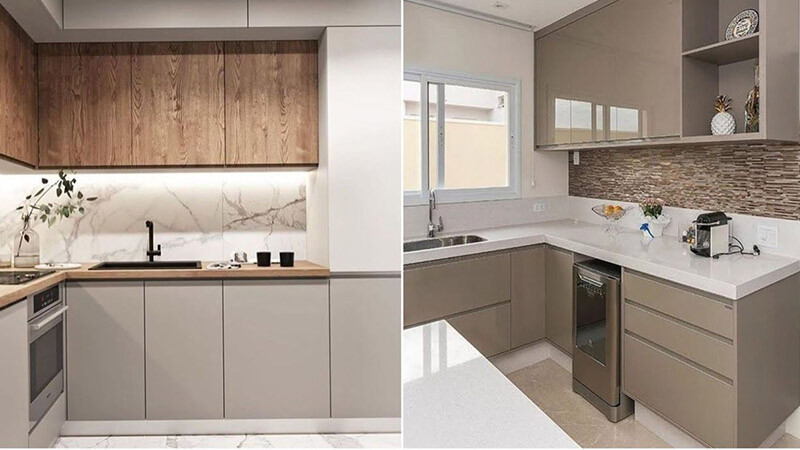
Kitchen cabinets are generally divided into three main categories based on their size and placement: base cabinets, wall cabinets, and tall cabinets. Each type has its own typical height and depth to maximize storage while maintaining an efficient kitchen workflow.
Typical sizes include:
|
Cabinet Type |
Standard Height |
Standard Depth |
Common Use |
|
Base cabinets |
34.5 inches |
24 inches |
Supports countertops and appliances |
|
Wall cabinets |
12–42 inches |
12 inches |
Stores dishes, glasses, and pantry items |
|
Tall cabinets |
84–96 inches |
24 inches |
Pantry storage or built-in appliances |
(Dimensions Table for Different Types of Kitchen Cabinets)
Cabinet dimensions can vary based on design preferences and customization requirements, despite their widespread use in most kitchens.
These standard sizes ensure compatibility with countertops, backsplashes, and kitchen appliances. For example, base cabinets combined with a standard countertop typically create a working surface height of about 36 inches, which is considered comfortable for most cooking tasks.
In kitchens with higher ceilings or custom layouts, you may choose taller cabinets or ceiling-height designs to maximize storage space and create a more seamless visual appearance.
Kitchen Cabinet Layout Ideas
Kitchen layout influences how cabinets are arranged. A well-designed layout not only determines where cabinets are placed but also influences how easily homeowners can move between cooking, cleaning, and food preparation areas.
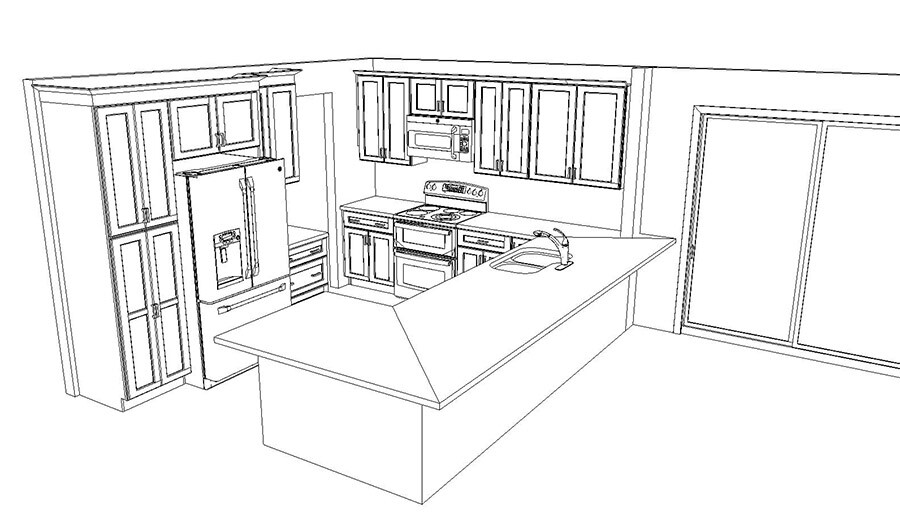
When planning a kitchen, designers often focus on creating an efficient workflow—sometimes referred to as the kitchen work triangle, which connects the stove, sink, and refrigerator. A thoughtful cabinet layout helps support this workflow while maximizing storage and maintaining a comfortable amount of workspace.
Different kitchen sizes and room shapes often require different cabinet arrangements. Below are several of the most common kitchen cabinet layout ideas used in modern homes.
Let’s be more specific.
L-Shaped Kitchen
The L-shaped kitchen is one of the most versatile and widely used layouts. Cabinets are arranged along two adjoining walls, forming an “L” shape.
This layout works particularly well in small- to medium-sized kitchens because it keeps the space open while still providing sufficient storage and countertop area. It also allows room for additional elements such as a dining table or a small kitchen island.
U-Shaped Kitchen
A U-shaped kitchen places cabinets along three walls, creating a “U” configuration around the cooking area.
This design offers a large amount of storage and countertop space, making it ideal for households that cook frequently. Because everything is within easy reach, U-shaped kitchens are often considered highly efficient.
However, this layout typically requires a slightly larger kitchen to avoid feeling too enclosed.
Galley Kitchen
A galley kitchen features two parallel rows of cabinets facing each other, forming a central walkway.
Apartments and compact homes commonly use this layout due to its efficient use of limited space. By placing cabinets and appliances on both sides, a galley kitchen can provide plenty of storage and workspace despite its narrow footprint.
Proper lighting and lighter cabinet colors are often used in galley kitchens to help the space feel more open.
Island Kitchen
Island kitchens include a central island that provides additional countertop space and cabinet storage.
The island can serve multiple functions, such as food preparation, casual dining, or housing appliances like cooktops and sinks. Many modern kitchen designs incorporate islands because they improve workflow while also creating a social gathering area.
Island layouts are especially popular in open-concept homes where the kitchen connects to the living or dining space.
|
Layout |
Best For |
Key Advantage |
|
L-Shaped |
Small–medium kitchens |
Open and flexible |
|
U-Shaped |
Large kitchens |
Maximum storage |
|
Galley |
Compact spaces |
Efficient use of space |
|
Island |
Open kitchens |
Extra workspace and social area |
(Common Kitchen Layouts at a Glance)
Choosing the Right Kitchen Layout
Selecting the right cabinet layout depends on several factors, including kitchen size, household cooking habits, and storage needs. Smaller kitchens may benefit from efficient layouts like galley or L-shaped designs, while larger kitchens can accommodate U-shaped or island layouts.
By carefully planning the cabinet arrangement, you can create a kitchen that feels organized, comfortable, and visually balanced.
Kitchen Cabinet Costs in 2026
Kitchen cabinet pricing varies widely depending on materials, customization, and installation. Because the cost of cabinets for kitchens typically makes up a large portion of a renovation budget, understanding typical price ranges can help you plan your projects more effectively. Refacing kitchen cabinets costs less than installing brand-new ones.
In general, kitchen cabinets are divided into three main pricing categories: stock cabinets, semi-custom cabinets, and custom cabinets. Each option offers a different balance between affordability, design flexibility, and overall quality.

Typical price ranges and comparison:
|
Cabinet Type |
Price Range (Per Linear Foot) |
Customization Level |
Best For |
|
Stock Cabinets |
$100 – $300 |
Low |
Budget renovations |
|
Semi-Custom Cabinets |
$150 – $650 |
Moderate |
Balanced design and cost |
|
Custom Cabinets |
$500 – $1200+ |
High |
Fully customized kitchens |
(How much do custom kitchen cabinets cost? Here it is. Cost of custom kitchen cabinets usually higher than other options.)
Why kitchen cabinet prices vary
Several factors influence the final cost of kitchen cabinets, including
In many kitchen renovations, cabinets alone can account for 30%–40% of the total remodeling budget.
Some homeowners reduce costs by choosing durable engineered materials or working directly with manufacturers that offer customized cabinetry solutions at competitive prices.
Of course, if you buy kitchen cabinets from China, the price can be further reduced while maintaining the same quality.
Budget planning tip
When planning a kitchen renovation, it is helpful to determine cabinet priorities early in the design process. Investing in durable cabinet materials and well-designed storage solutions can improve both the functionality and long-term value of the kitchen.
How much will new kitchen cabinets cost
The cost of new kitchen cabinets typically ranges from $2,500 to $25,000+, depending on the kitchen size, materials, and level of customization. Most homeowners spend around $5,000 to $15,000 for standard projects, while high-end custom cabinets can exceed $30,000 or more.
How much do cabinets cost for a 12×12 kitchen
For a standard 12×12 kitchen, cabinet costs typically range from $5,000 to $15,000, depending on materials and customization level. Stock cabinets may cost around $5,000–$6,000, while semi-custom and custom cabinets can range from $6,500 to $15,000+ or more.
Besides, if you want to know the average cost to replace kitchen cabinets, you can reach out to the FAQs part.
I’d like to slip in a quick promo here, haha. We offer tailored, cost-effective cabinetry solutions for global projects, which is very suitable for you seeking custom designs at competitive prices.
Latest Kitchen Cabinet Trends for 2026
Kitchen cabinet design continues to evolve as homeowners look for solutions that combine functionality, aesthetics, and efficient use of space. In recent years, kitchen trends have shifted toward cleaner lines, smarter storage, and materials that create a warm yet modern atmosphere.
Many modern kitchens prioritize natural textures, practical storage options, and simplicity over excessively ornate cabinetry. We anticipate that the cabinet trends we will discuss will continue to thrive in 2026.
Let’s look at this quick preview for emerging cabinet trends:
These trends focus on both aesthetics and functionality.
And, get closer—
Two-Tone Cabinets
Two-tone cabinets have become one of the most popular kitchen design trends recently. This style uses two different cabinet colors within the same kitchen, typically pairing darker base cabinets with lighter wall cabinets, the sought-after 2026 kitchen cabinet color trends.
The contrast adds visual depth to the kitchen while preventing the space from feeling too uniform. For example, navy blue base cabinets combined with white wall cabinets create a balanced and modern appearance.
Two-tone designs are particularly effective in open-concept kitchens where cabinets play a major role in the overall interior aesthetic.
Handleless Cabinets
They are increasingly favored in modern and minimalist kitchen designs. Instead of traditional cabinet pulls or knobs, these cabinets use integrated grooves, push-to-open mechanisms, or concealed handles.
This design creates a sleek and uncluttered look while maintaining functionality. Handleless cabinets are often paired with flat panel or slab doors to emphasize clean lines and smooth surfaces.
They are especially common in contemporary kitchens inspired by European design.
Natural Wood Finishes
Natural wood cabinets are making a strong comeback as homeowners seek warmer and more organic kitchen interiors. Light oak, walnut, and other natural wood tones add texture and character while maintaining a timeless appearance.
Unlike heavily stained wood cabinets from previous decades, modern designs tend to highlight the natural grain of the wood. This approach creates a more relaxed and inviting atmosphere.
Natural wood cabinets also pair well with neutral color palettes and stone countertops.
Smart Storage Solutions
Modern kitchens are increasingly designed around efficient storage. Cabinets now incorporate a variety of smart storage features that help maximize space and improve organization.
Popular solutions include:
These features make it easier to keep the kitchen organized while improving everyday usability.
Minimalist Slab Cabinets
Minimalist slab cabinets continue to gain popularity in modern kitchen designs. Their flat surfaces and simple geometry create a clean, contemporary appearance.
Slab cabinets are often combined with matte finishes, acrylic coatings, or natural wood veneers to achieve a sleek look. Because they lack decorative elements, they work particularly well in minimalist or Scandinavian-style kitchens.
Looking ahead: the newest kitchen cabinet trends
While kitchen cabinet trends continue to evolve, the most successful designs often balance style with long-term practicality. Many homeowners today prefer cabinets that offer a timeless look while incorporating modern functionality.
As a result, trends such as simple door styles, natural materials, and smart storage systems are likely to remain popular for years to come.
We’d love to share more with you, for example, the 2026 kitchen cabinet countertops trends.
Kitchen Cabinet Hardware
Cabinet hardware may seem like a small detail, but it plays an important role in both functionality and overall kitchen style. Handles, knobs, and pulls can subtly influence the visual character of kitchen cabinets while also improving usability.
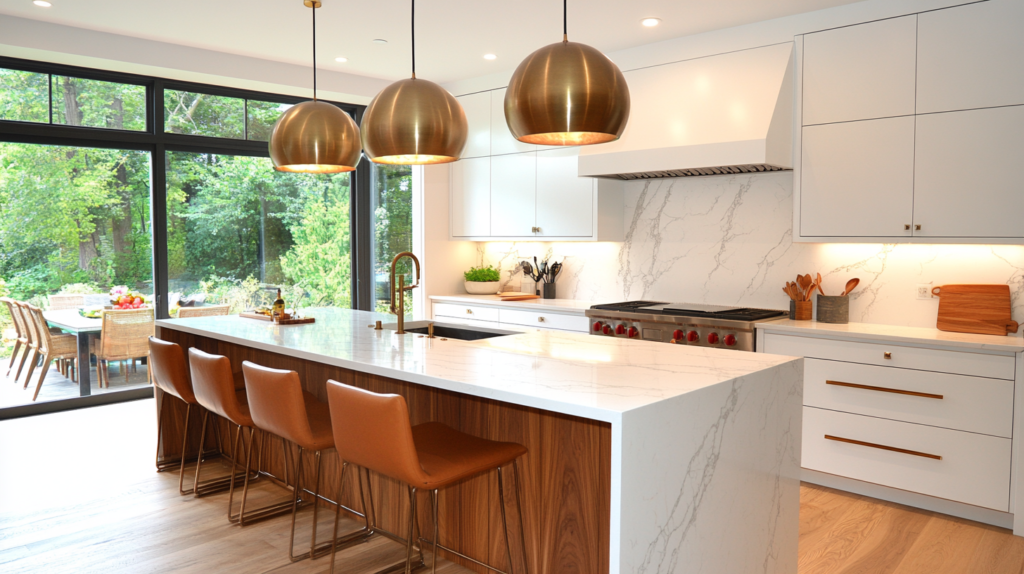
Common cabinet hardware options include:
|
Hardware Type |
Description |
Style Compatibility |
Advantages |
|
Knobs |
Small round or square hardware attached with a single screw |
Traditional, classic, farmhouse |
Simple design, affordable, easy to install |
|
Pulls |
Longer handles attached with two screws |
Transitional, modern, contemporary |
Easier to grip, comfortable for frequent use |
|
Bar Handles |
Sleek cylindrical handles often made of stainless steel or metal |
Modern, minimalist kitchens |
Clean lines, durable, modern appearance |
|
Cup Pulls |
Half-moon shaped handles often used on drawers |
Vintage, farmhouse, traditional |
Decorative appearance, comfortable grip |
|
Handleless Systems |
Cabinets opened with push-to-open mechanisms or integrated grooves |
Ultra-modern, minimalist, European-style kitchen cabinets |
Seamless appearance, sleek design |
(Cabinet Hardware Overview)
Based on our experiences, we notice that in many modern kitchens, bar handles and handleless systems are especially popular because they complement minimalist cabinet designs.
Kitchen Cabinet Installation
Installing kitchen cabinets is a key step in any kitchen renovation project. Proper installation ensures that cabinets are level, secure, and aligned correctly with countertops and appliances.
Although experienced DIY homeowners may install cabinets themselves, many people choose professional installation to ensure accuracy and long-term durability.

The installation process typically includes several main steps:
Labor cost to install kitchen cabinets
Labor costs for installing kitchen cabinets typically range from $50 to $250 per linear foot, depending on the project complexity and location. For a full kitchen, installation labor usually totals around $1,500 to $5,000 or more. Factors such as custom layouts, wall conditions, and additional modifications can increase the overall cost.
So, careful planning and accurate measurements are essential to ensure cabinets fit properly and function smoothly in the finished kitchen. We have a professional team ready to address any issues you may encounter with your kitchen cabinet installation, such as how to hang kitchen cabinets; just feel free to contact us.
Kitchen Cabinet Maintenance Tips
Proper maintenance helps kitchen cabinets maintain their appearance and durability for many years. Regular cleaning and careful use can significantly extend the lifespan of cabinet materials and finishes.
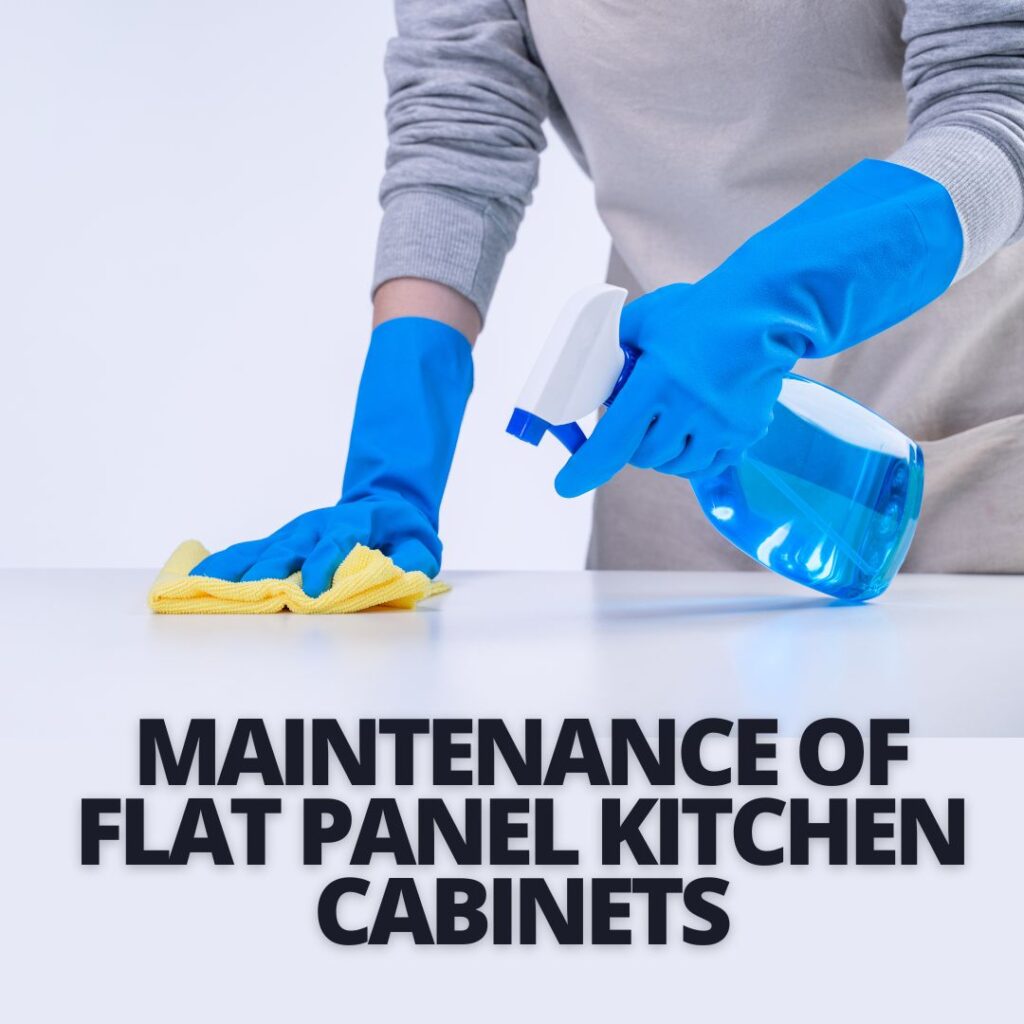
Some simple maintenance practices include:
With proper care, high-quality kitchen cabinets can remain functional and visually appealing for decades. Contact us anytime for more maintenance tips to extend the life of your cabinets.
How to Choose the Right Kitchen Cabinets
Once installation and layout considerations are clear, the next step is choosing the right cabinets for your kitchen.
It involves balancing several factors, including style, material, budget, and storage needs. Because cabinets influence both the functionality and appearance of a kitchen, selecting the right combination is an important step in any kitchen renovation.
A few key considerations can help guide the decision.
Kitchen Layout
The cabinet layout should work with the size and shape of the kitchen. Smaller spaces often benefit from efficient designs such as L-shaped or galley kitchens, while larger kitchens can accommodate U-shaped layouts or islands.
Cabinet Style
Cabinet style defines the visual character of the kitchen. Shaker cabinets remain a versatile option, while slab or flat-panel cabinets are often used in modern and minimalist interiors.
Materials and Durability
Cabinet materials affect both durability and maintenance. Solid wood and plywood are commonly valued for their strength, while engineered materials such as MDF can provide smooth finishes for painted cabinets.
Budget and Storage
Budget planning helps narrow down cabinet options, whether choosing stock, semi-custom, or custom cabinets. At the same time, storage features such as pull-out shelves and drawer organizers can significantly improve kitchen functionality.
By considering these factors together, you can choose cabinets that match both your design preferences and practical needs.
In Summary
Now you know more about kitchen cabinets. From cabinet types and materials to layout planning and installation, each decision affects the functionality and appearance of your kitchen.
By understanding the different cabinet styles, materials, and pricing options, you can choose solutions that match their design vision and budget. we at Parlun Building are good at customizing cabinet solutions, and you can contact us if you’re interested.